
Last updated November 15, 2026
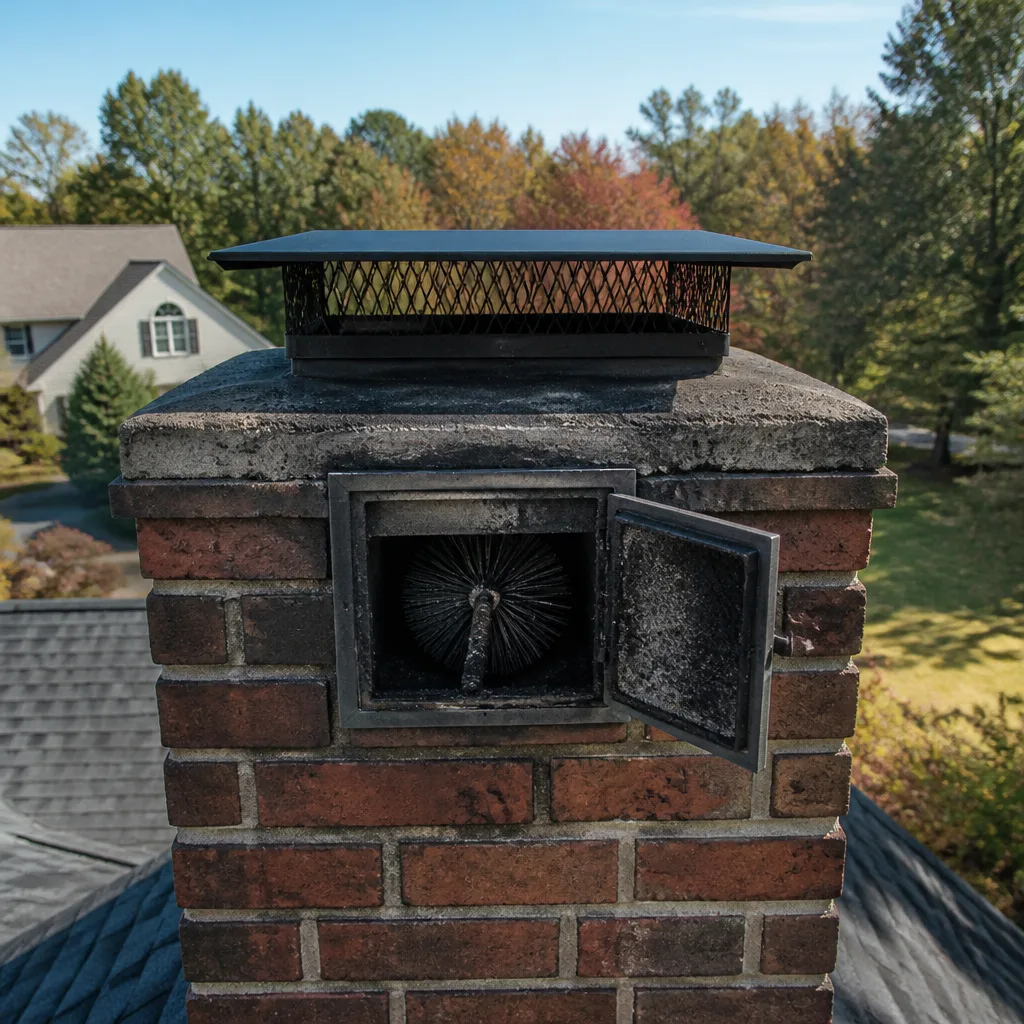 Sweep & inspection
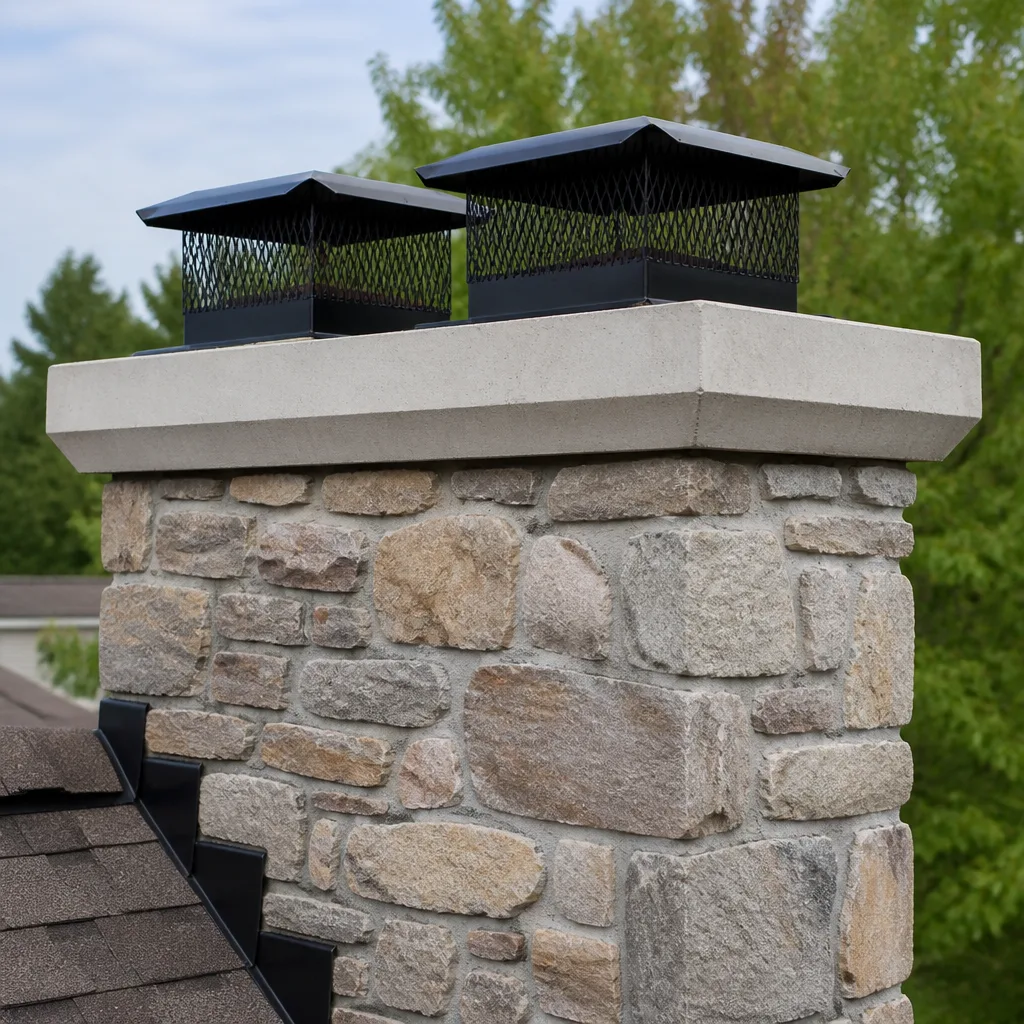 Caps & crowns
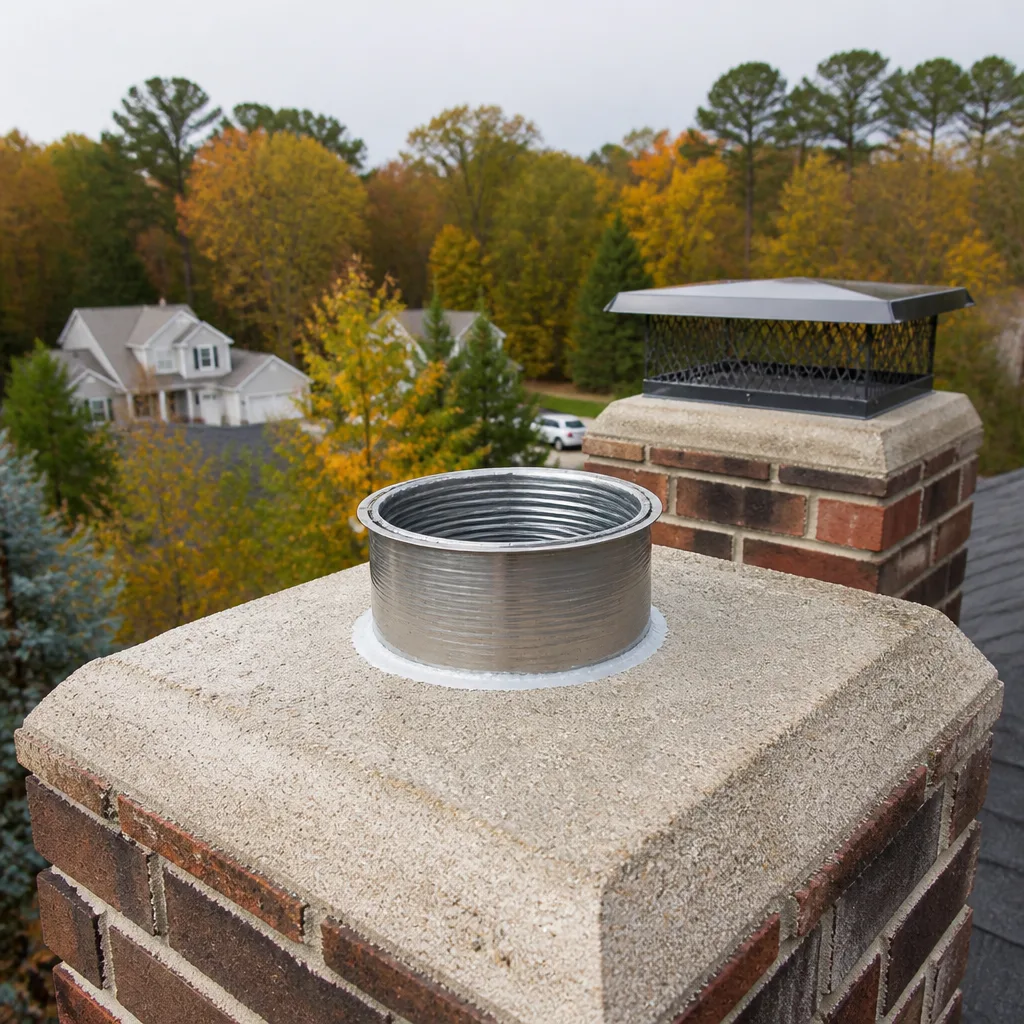 Flue relining
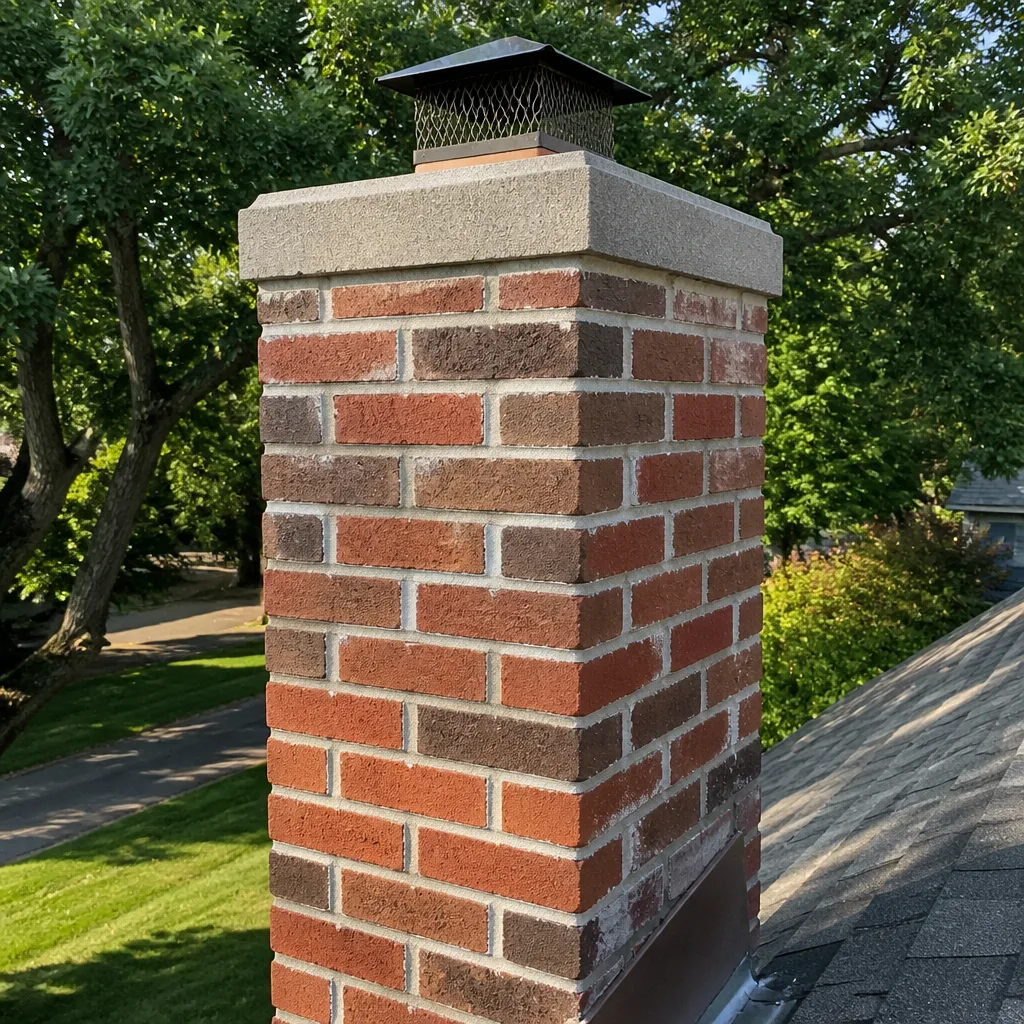 Masonry repair
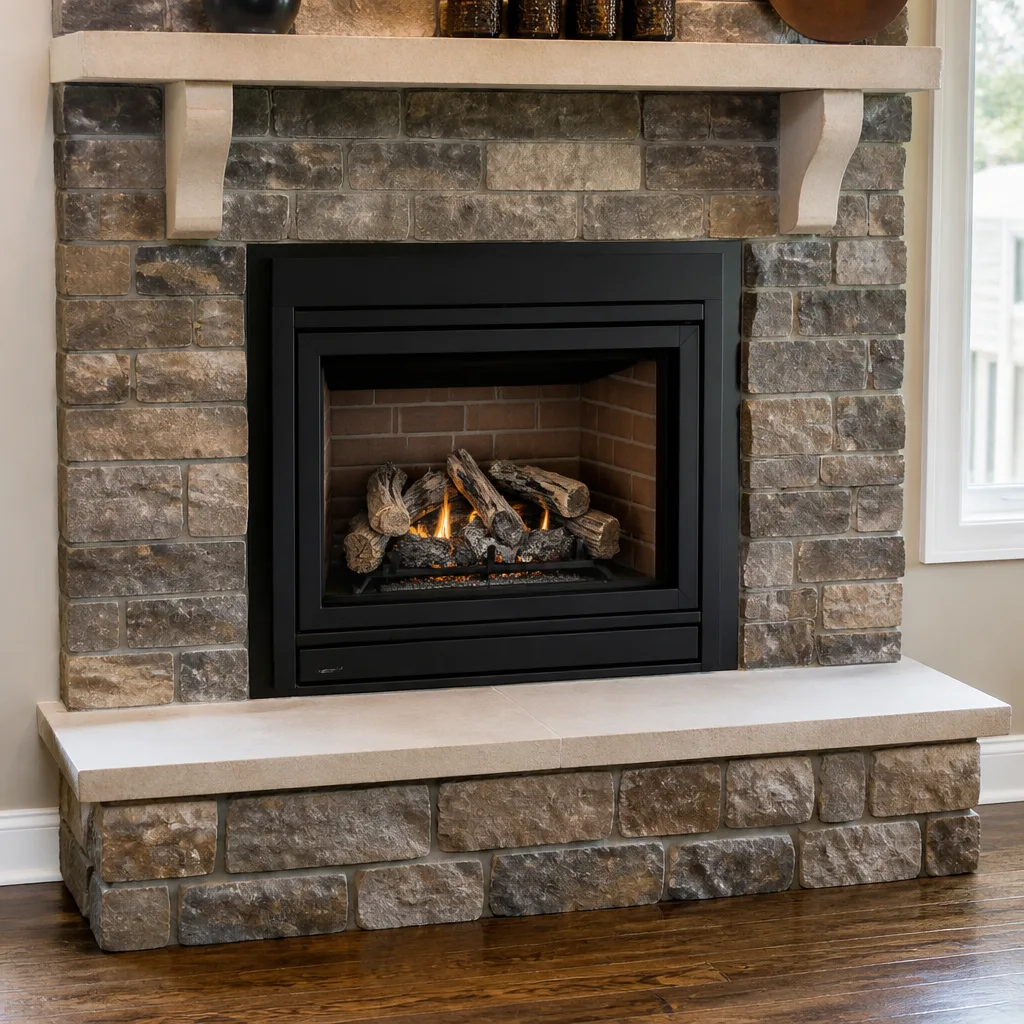 Gas fireplace service
Level 1 sweep and inspection to the NFPA 211 annual standard - flue, crown, cap, and flashing checked and photographed
Chimney sweep logs do not sweep chimneys. They loosen some creosote - which then falls where a brush and vacuum still have to collect it.
Chimney Sweep Maintenance Checklist for Beaumont Homeowners
The chimney you light up in November was sitting open to Gulf Coast humidity since March, and what moved in, settled in, or broke down during those eight months is what determines whether your first fire is safe. Most maintenance advice assumes four clean seasons and a hard freeze. Beaumont doesn’t work that way. Our year is a short, mild winter bookended by long stretches of heat, heavy rain, and air that stays thick well into fall. That idle stretch is when moisture works its way into mortar, when caps loosen, and when small problems quietly get expensive. This checklist follows the actual calendar of a Southeast Texas homeowner, month by month, so you know what to look at, what to leave to a trained sweep, and how to catch deterioration before it turns into a repair bill.
Quick Answer
A Beaumont homeowner should check the cap, screen, crown, and visible mortar joints several times through the humid months, keep a written record of what they find, and book a professional sweep and inspection before the first fire of the season. A damper that sticks or corrodes is the most overlooked failure in this climate, so it belongs on every check. Anything inside the flue, above the roofline, or involving the liner needs a trained sweep with camera equipment, not a ladder and a flashlight.
Styles & brands we work with
- Sweep & inspection
- Caps & crowns
- Flue relining
- Masonry repair
- Gas fireplace service
Table of Contents
- Why a Beaumont Chimney Ages Differently
- The Month-by-Month Maintenance Calendar
- Off-Season Checks: Cap, Screen, Mortar, and Crown
- The Damper: The Most Overlooked Part of the System
- What You Can Check Safely vs. What Needs a Professional
- How to Document Chimney Condition Year Over Year
- How Often a Beaumont Chimney Needs a Sweep
- Warning Signs You Should Not Wait On
Why a Beaumont Chimney Ages Differently
Chimneys everywhere deal with heat and creosote. What makes a Beaumont chimney different is how long it sits wet and warm without a fire moving air up the flue. From spring through early fall, your fireplace is idle, and for most of that time the outdoor air is holding a lot of moisture. That moisture finds every gap in the masonry and the cap, soaks in, and then sits. Masonry doesn’t fail from one big event. It fails from repeated wetting and drying and from the freeze-free but still humid cycles that push water in and never quite let it out.
There’s a second factor specific to this part of Texas: the long stretch of warm weather gives insects, birds, and small mammals a bigger window to investigate an unsealed flue. A cap that’s missing or damaged lets them in, and a nest or debris build-up narrows the flue before you’ve burned a single log. That’s a draft and safety problem waiting for fall. In our experience, the calls that turn into real repairs are almost always the ones where something sat unaddressed through the summer. A loose crown in April is a cheap fix. By November, water has been tracing down the flue for months.
So the maintenance logic here isn’t “prepare for winter.” It’s “protect the system during the idle months.” A Beaumont chimney needs attention in June as much as in October, and the checks that matter most are the ones that keep water and animals where they belong. If you’re new to owning a home with a fireplace in Beaumont, start with the calendar below and build the habit from there.
The Month-by-Month Maintenance Calendar
A national four-season template will tell you to winterize in autumn and forget the chimney until next year. That misses the eight months that actually wear your system down. Here’s how the year breaks down for a Beaumont home.
February to March: End of Burn Season
After your last fires, do a walk-around. Look at the cap, the crown, and the mortar joints you can see from the ground. Note anything loose, cracked, or missing. This is the transition point when the flue goes from active use to idle, and it’s the right time to book a sweep so the system is cleaned before it sits.
April to May: The First Wet Warm Spell
Spring rain is when a bad crown and open flue show their hand. Check the cap again, confirm the screen or spark arrestor is intact, and look for staining or efflorescence (the white powdery deposit on masonry) that signals water moving through. This is the stage where problems are cheapest to fix.
June to August: Peak Idle Season
The heat and humidity are highest and the fireplace is furthest from your mind. That’s exactly why this stretch needs attention. Check for animal activity, listen for debris in the flue, and confirm the damper still moves. A damper left slightly open during the summer lets cool, moist conditioned air up the flue and lets humid outside air down.
September to October: Pre-Season Inspection
Before the first fire, book a professional inspection and sweep. Confirm the cap, screen, damper, and liner are all sound. This is the single most important appointment in the calendar.
November to January: Active Burn Season
While you’re burning regularly, watch for smoke rolling into the room, weak draft, or unusual smells. Keep an eye on the firebox for crumbling mortar. Schedule a mid-season sweep if you burn frequently.
The pattern is simple: the checks cluster around the shoulders of the burn season and through the wet summer, not just in the fall. If you only do one thing, make it a professional inspection in early fall – the rest of the calendar protects the system in between.
Off-Season Checks: Cap, Screen, Mortar, and Crown
The off-season is when the components that keep water and animals out do most of their failing. These are the four to watch, and all of them are visible from the ground or with low-risk observation.
The Cap
The cap sits on top of the flue and keeps rain, birds, and debris out while letting smoke escape. A cap that’s rusted through, loose, or missing is an open invitation for water and wildlife. In a humid climate, cheap or off-brand caps rust out faster than the masonry around them. We work with Famco and Copperfield cap products for exactly this reason – they’re built for chimney systems, not improvised from general roofing materials.
The Animal Screen
The screen or spark arrestor is the mesh part of the cap assembly. If it’s torn, sagging, or missing, small animals and nesting material get in. Check that the mesh is intact and attached, with no gaps at the seams.
The Mortar Joints
From the ground, look at the brickwork on the chimney itself. Crumbly, receding, or missing mortar between bricks means water is getting in and freeze-free but wet cycles are eating the joints. Recessed or soft joints are a sign to have a professional look before repointing becomes rebuilding.
The Crown
The crown is the concrete or masonry top of the chimney that sheds water away from the flue. Cracks, chips, or a crown that’s pulling away from the flue are the most common source of slow water damage in Beaumont chimneys. A small crack in late spring is far cheaper to seal than the interior damage it causes by fall.
These four checks take ten minutes with binoculars from the yard. The findings are what you carry into a professional inspection – and they’re what tell you whether a repair can wait or shouldn’t.
The Damper: The Most Overlooked Part of the System
If there’s one part of a Beaumont chimney that gets ignored more than any other, it’s the damper. It’s also the one that quietly costs you in this climate. The damper is the door above the firebox that you open for a fire and close when it’s out. When it works, it seals the flue from the room. When it sticks, corrodes, or no longer seats, you’ve got a permanent opening between your living space and the outdoors.
In a humid climate that matters in a way it doesn’t in a dry one. An open or leaking damper lets warm, moist outside air travel down the cool flue in the idle months, where it condenses on the flue walls. That condensation mixes with leftover creosote and ash to form a corrosive film that attacks the liner. It also lets your conditioned air escape up the chimney all summer. A damper that’s stuck open is a quiet energy and moisture problem at the same time.
Here’s what to check, safely, when the chimney is cold:
- Open the damper fully by hand and confirm it moves without grinding or jamming.
- Look up at the damper plate with a flashlight to check for rust, warping, or debris blocking it.
- Close it and check that it seats flush against the frame with no obvious gaps.
- Open and close it a couple more times to feel whether the movement is smooth.
If it sticks, won’t seat, or shows heavy rust, that’s a professional look. A damper that’s failed internally or that’s seized in the frame usually needs to be repaired or replaced, not forced. It’s a small part with an outsized effect on your system, and it belongs near the top of every Beaumont checklist.
What You Can Check Safely vs. What Needs a Professional
Part of a good maintenance routine is knowing where your limits are. Plenty of chimney tasks are safe to do from the ground with binoculars and a flashlight. Others involve height, confined space, or a live flue, and those aren’t worth the risk.
Safe for Homeowners to Check
- Cap condition from the ground – rust, looseness, missing pieces
- Screen intactness and animal activity
- Visible mortar joints and efflorescence on the exterior
- Crown cracks visible from below
- Damper operation with the chimney cold
- Smoke and draft behavior during a fire
Needs a Trained Sweep
- Anything inside the flue – creosote, debris, nest material
- Liner condition and integrity
- Any work above the roofline, or climbing onto the roof
- Firebox and interior masonry assessment
- Repointing, crown repair, or cap replacement
The safety line here is simple: a chimney flue is a confined space that can hold creosote, hidden debris, and combustion gases, and roofs are high and slick. Our technicians have up to experience and carry camera equipment specifically so the inside of the flue gets inspected without anyone guessing. A camera inspection gives you a photo report of what’s actually there, not a verbal claim you have to take on faith. If you can see it from the ground, check it. If it’s inside the flue or up top, leave it to a professional – the effort score on guessing wrong is measured in repairs.
How to Document Chimney Condition Year Over Year
Chimney problems almost never appear suddenly. They develop. A mortar joint that was sound in April is crumbly by the following spring, and the only way to see that trend is to keep records. Most homeowners skip this step, and it’s the one that pays off the most.
Build a simple log – paper or digital, doesn’t matter. Each year, record:
- The date of your professional sweep and inspection.
- What the camera inspection showed, and any photo report you received.
- Condition notes on the cap, screen, crown, and mortar joints.
- Damper condition and whether it moved freely.
- Any repairs done that year, and by whom.
- Anything you noticed from the ground that changed.
Photographs help. A photo of the crown each spring lets you compare cracks year to year instead of guessing whether they’ve grown. A note that the damper was sticky in June but fine by September tells you a trend. When you eventually need repair, this history is what lets a professional recommend the least expensive effective option instead of the biggest one. If you want to understand how a documented finding turns into a repair decision, our chimney repair work is built around evidence from the camera and the log, not from a sales script.
The habit isn’t glamorous. But a homeowner with three years of records catches a failing crown in month twelve, and a homeowner without records catches it when the ceiling stains. That’s the whole argument.
How Often a Beaumont Chimney Needs a Sweep
How often you need a sweep depends on how much you burn and how your fire burns. If you use the fireplace regularly through the season, an annual sweep and inspection before the first fire is the standard. If you burn occasionally – a few fires a year – you can stretch the interval, but the annual inspection still matters because the idle months do the damage regardless of use.
Creosote is the reason sweeps exist. It’s the tar-like deposit that builds on the flue walls as smoke cools, and it’s what fuels chimney fires. In a humid climate, creosote also absorbs moisture, which makes it more corrosive to the liner. Two homes on the same street can build creosote at very different rates depending on the wood they burn and how hot the fires run. That’s why the sweep interval is set by inspection, not by a rigid calendar. The camera tells the truth; a fixed number of years doesn’t.
What you should know before you book:
- Seasoned wood burns hotter and cleaner than green wood.
- Small, hot fires produce less creosote than smoldering ones.
- An inspection can spot early liner damage before it becomes a bigger repair.
- A sweep is a physical cleaning; an inspection is the diagnostic step, and they’re related but not the same.
When you book a chimney sweep in Beaumont, ask for the inspection alongside it. A sweep without a look inside is only half the value. The whole point of a checklist is to know the system’s condition, and a sweep plus camera inspection is how you get there.
Warning Signs You Should Not Wait On
Some things on this checklist can wait a season. Others can’t. These are the signals that a call shouldn’t be delayed.
- Smoke rolling back into the room. That’s a draft or blockage problem, and it can mean a flue that’s not venting combustion gases safely.
- A strong smell when the fireplace is idle. Often a damper or moisture issue; occasionally a sign of debris or animals.
- Visible cracking in the firebox masonry. Interior masonry damage is a safety concern and needs a professional look.
- Loose or missing cap or screen. Water and animals are getting in right now.
- A damper that won’t open or won’t close. It’s a moisture and energy problem all summer.
- White staining on exterior masonry. Efflorescence signals water moving through the brickwork.
- Any sign of creosote or soot at the top of the firebox. A lined flue that’s loading up needs a sweep.
None of these require panic, and none of them are a sales pitch for a rebuild. They’re reasons to get a professional eyes-on assessment with a camera so you know what’s actually happening. Our inspection can be booked on its own, with no repair attached, so you get the finding without the pressure. If you need the chimney swept or repaired afterward, we do that too, but you never have to take the first step as a committed customer.
Common Mistakes to Avoid
- Skipping the off-season. Most homeowners think about the chimney in October and forget it in June. In Beaumont, the idle months are when the real wear happens. Check the cap, crown, and damper through the summer, not just in the fall.
- Ignoring the damper. A stuck or corroded damper is the single most overlooked failure here. It lets humid air into the flue and conditioned air out all season. If it doesn’t move freely and seat, get it looked at.
- Climbing the roof yourself. The view from the roof isn’t worth the risk. Use binoculars from the ground for the cap, crown, and mortar, and leave anything above the roofline to a professional with the right equipment.
- Treating a sweep as a full inspection. A sweep cleans the flue. An inspection diagnoses the liner, damper, and firebox. You need both, and a camera inspection is what tells you what’s actually there.
- Hiring a generalist for chimney work. A handyman can climb a ladder, but the materials matter. Products like DuraFlex and HeatShield exist because chimney systems fail in specific ways. Using off-brand materials is how a repair becomes a repeat repair.
- No records. Without a written log and photos, you can’t tell whether a crack has grown or a joint has crumbled since last year. The history is what makes the next decision cheap instead of expensive.
- Ignoring animal activity. A torn screen or a nesting site in the flue is a draft and safety problem waiting for fall. Fix the screen as soon as you spot a gap.
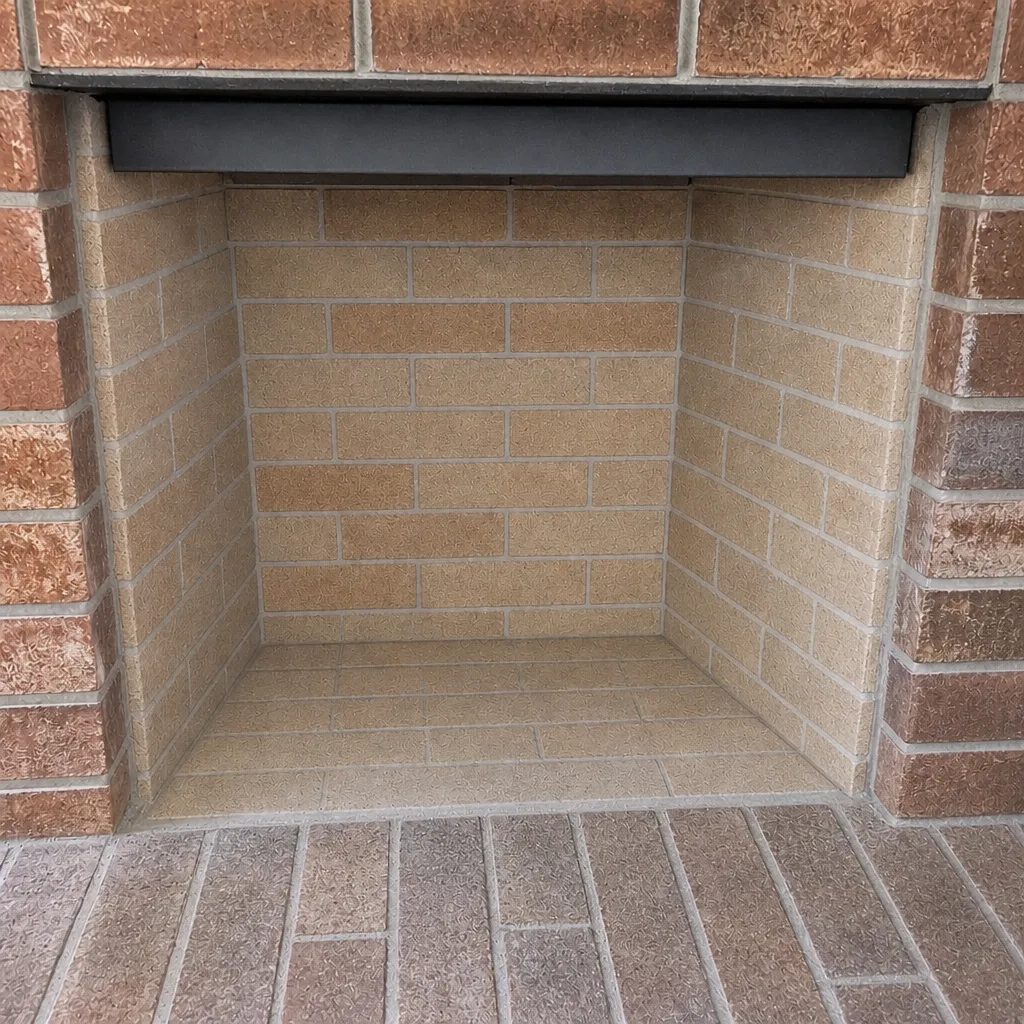
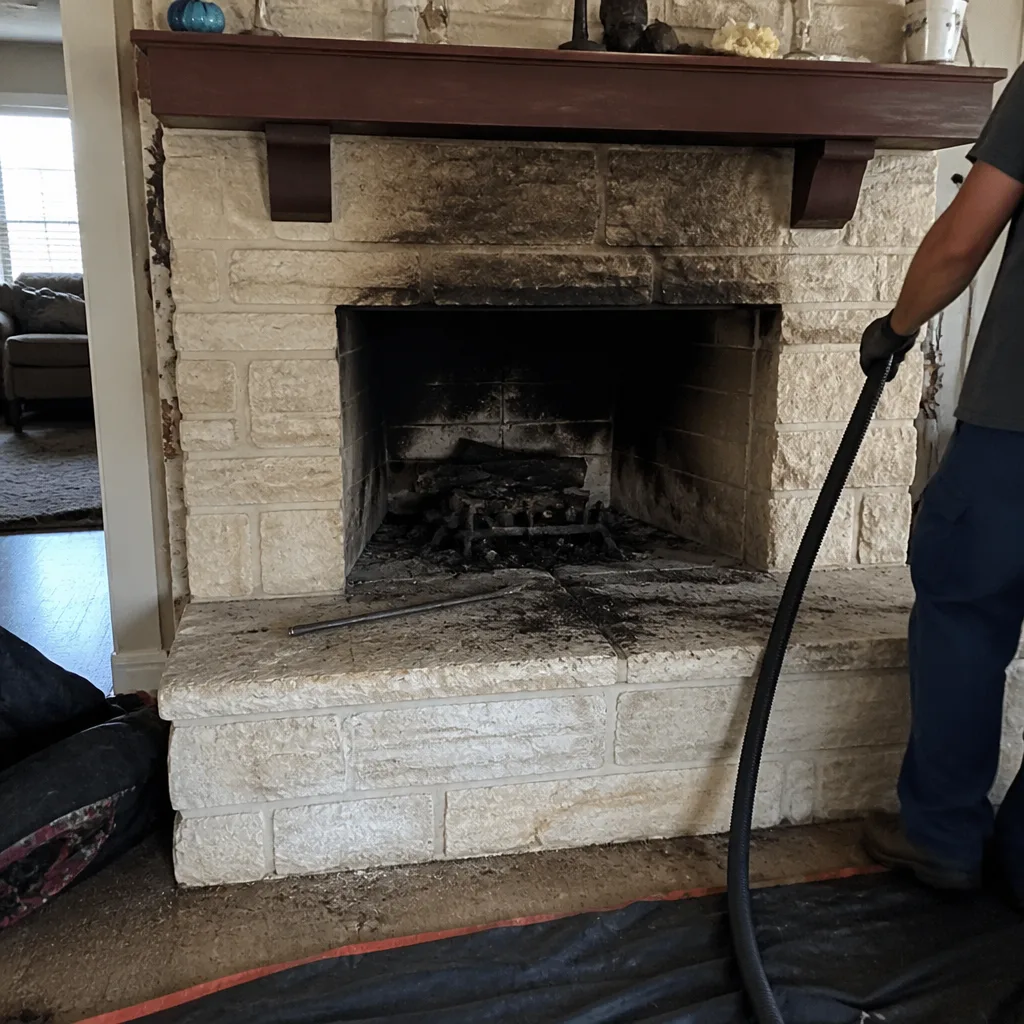
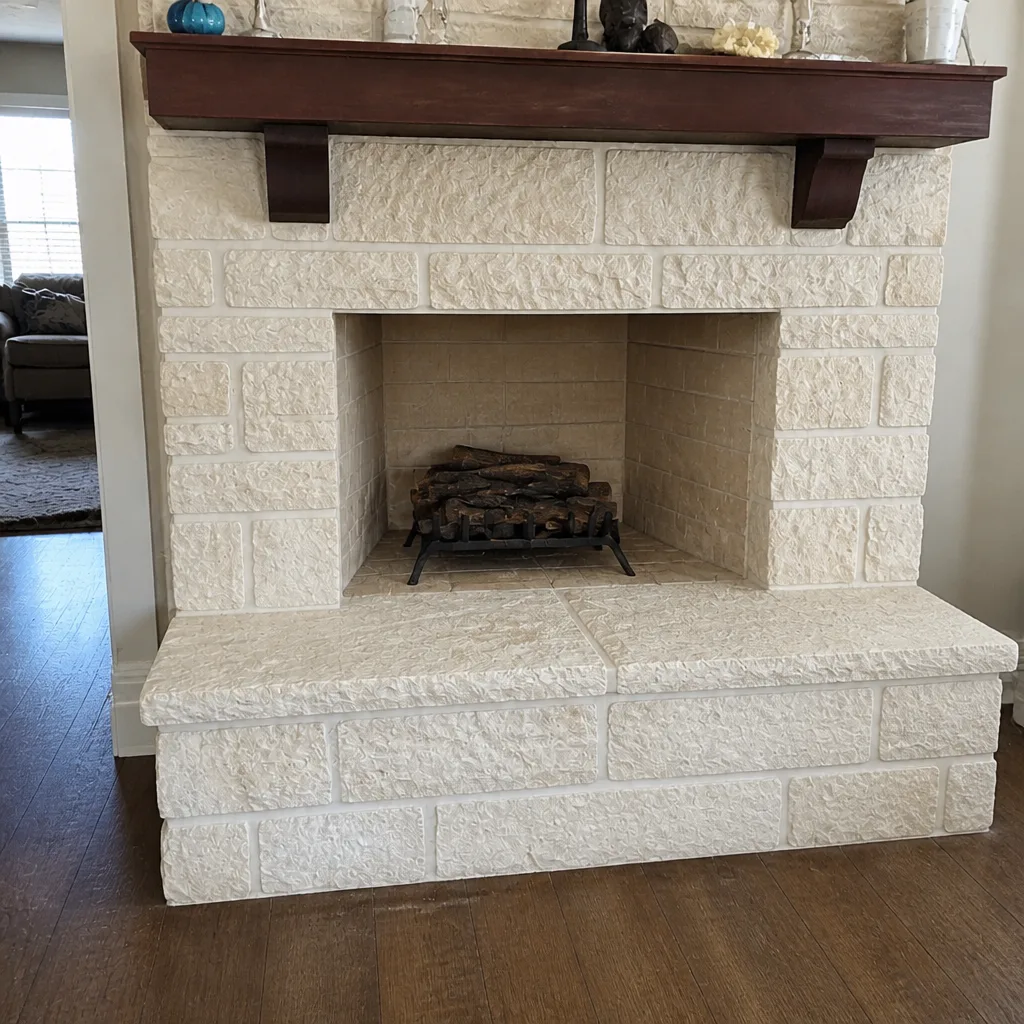
See the difference
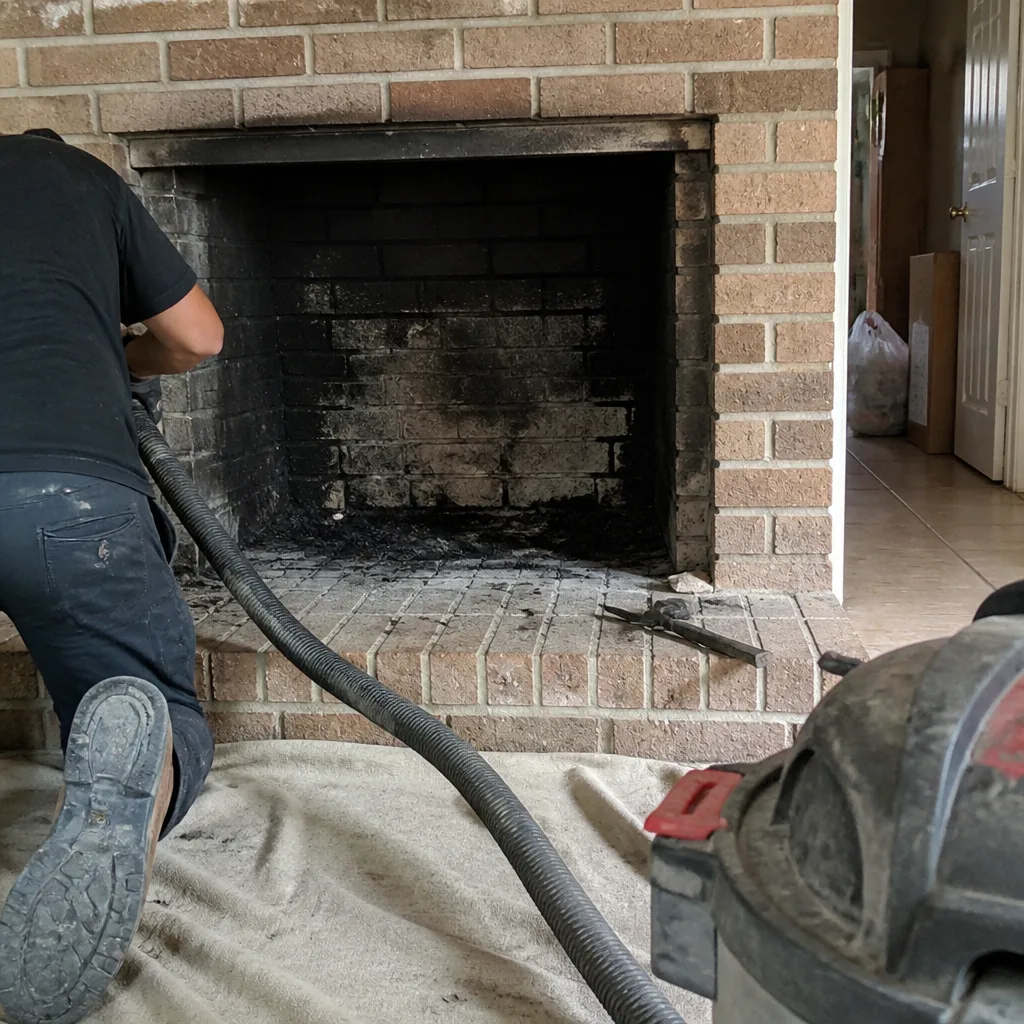 Before
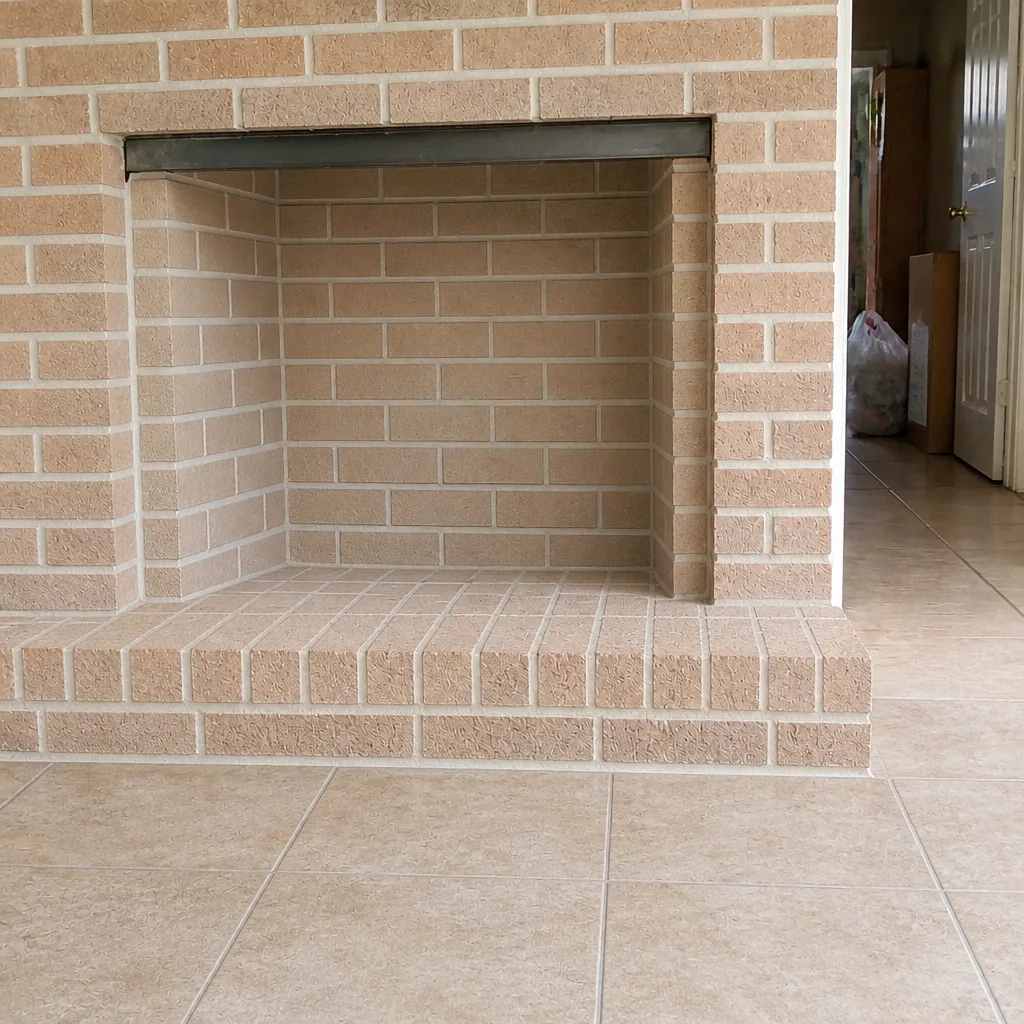 After
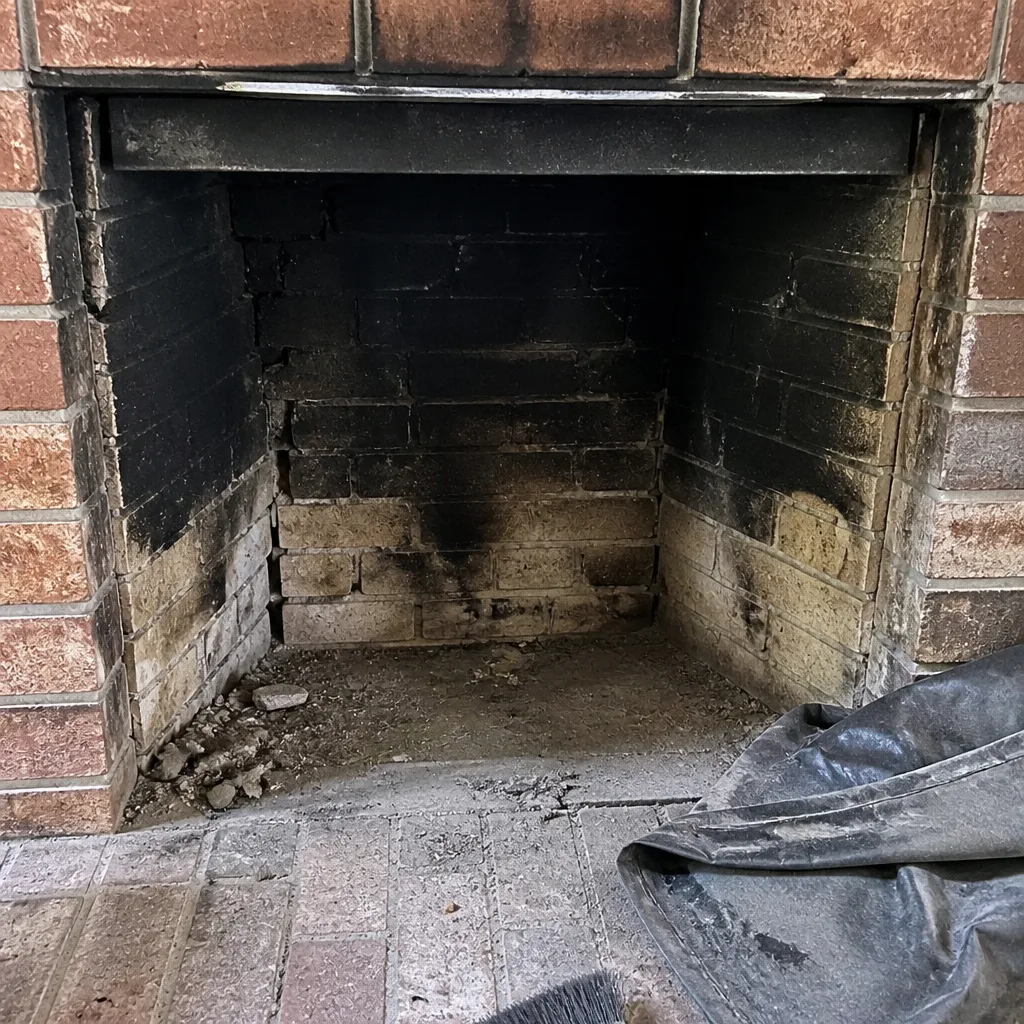 Before
 After
 Before
 After
When to Call a Professional
Call a professional if you can’t see the cap, screen, crown, or mortar clearly from the ground and want a real assessment; if the damper sticks or won’t seat; if you notice smoke rolling back into the room, unusual smells, or soot at the top of the firebox; if the camera has never been inside your flue and you don’t know its condition; if you’ve had animal activity; or if it’s simply been more than a year since your last sweep and inspection. Any one of those is enough to justify a look. Chimney Sweep Beaumont offers free estimates in Beaumont – call (833) 946-8798. We answer 24/7. Fast dispatch from 7am to 7pm, Sunday through Friday. An inspection on its own is fine; we’ll tell you what’s there and whether a repair can wait.
Frequently Asked Questions
An annual sweep and inspection before the first fire of the season is the standard for a home that uses its fireplace regularly, and an inspection alone is worth doing even if you burn only a few times a year. The idle months do the damage regardless of use, so the inspection protects the system even when the flue stays clean. Call (833) 946-8798 to book one – estimates are free.
It covers the cap, screen, crown, mortar joints, damper, and liner condition, plus the frequency and record-keeping that keep them from degrading unnoticed. The checks split into two groups: what you can safely see from the ground, and what needs a professional with camera equipment. For a Beaumont home, the calendar around the idle season matters as much as the list itself. Call (833) 946-8798 for an exact quote on an inspection.
You can safely check the cap, screen, mortar joints, crown, and damper from the ground with binoculars and a flashlight, but the inside of the flue, the liner, and anything above the roofline need a trained sweep. Our technicians have up to experience and carry camera equipment for exactly that reason. Call (833) 946-8798 to schedule – estimates are free.
A damper that sticks open or won’t seat lets humid outside air into the flue during the idle months, where it condenses on the liner and mixes with leftover creosote to form a corrosive film. It also lets your conditioned air escape all summer. In this climate it’s the most overlooked maintenance failure on the system. Call (833) 946-8798 if yours is stiff or doesn’t seal.
A sweep physically cleans the flue of creosote and debris, while an inspection diagnoses the condition of the liner, damper, firebox, and cap, usually with a camera. You need both, and a sweep without an inspection only tells you half the story. Chimney Sweep Beaumont offers inspection as a standalone so the assessment isn’t tied to a repair. For a free estimate, call (833) 946-8798.
Skipping a year means moisture, animals, and creosote get an extra twelve months to work, and the small, cheap fixes you’d have caught become bigger ones. It’s not a guarantee of a problem, but it does mean you won’t know the condition of your system before you light it. A free-estimate inspection tells you where things stand. Call (833) 946-8798. We answer 24/7.
The Bottom Line
A Beaumont chimney doesn’t follow a national four-season maintenance template – it follows the Southeast Texas calendar. The months your fireplace sits idle are the ones that wear the system down, so the cap, screen, crown, mortar joints, and damper all deserve attention through the humid summer, not just in the fall. Check what you can safely see from the ground, keep a written record with photos so you can spot trends, and book a professional sweep and camera inspection before the first fire. A damper that sticks or corrodes is the most overlooked failure here, so put it near the top. Our whole approach comes down to clean, repair, inspect – every part of the system handled by one team, using professional-grade materials like DuraFlex and HeatShield when a repair is actually needed. If you want the condition of your chimney confirmed before you light it, that’s a call to Chimney Sweep Beaumont, and an inspection on its own is a perfectly good first step.
Get a Free Estimate
Whether you need a sweep, an inspection, or a repair, we can help you figure out what’s actually there before you commit to anything. Call us at (833) 946-8798 for a free estimate. We answer 24/7. Fast dispatch from 7am to 7pm, Sunday through Friday. If you’d rather start with a diagnostic look, book the inspection on its own – it’s the clearest picture you’ll get of your system, and it costs nothing to ask.
Written by the team at Chimney Sweep Beaumont.