
Last updated November 15, 2026
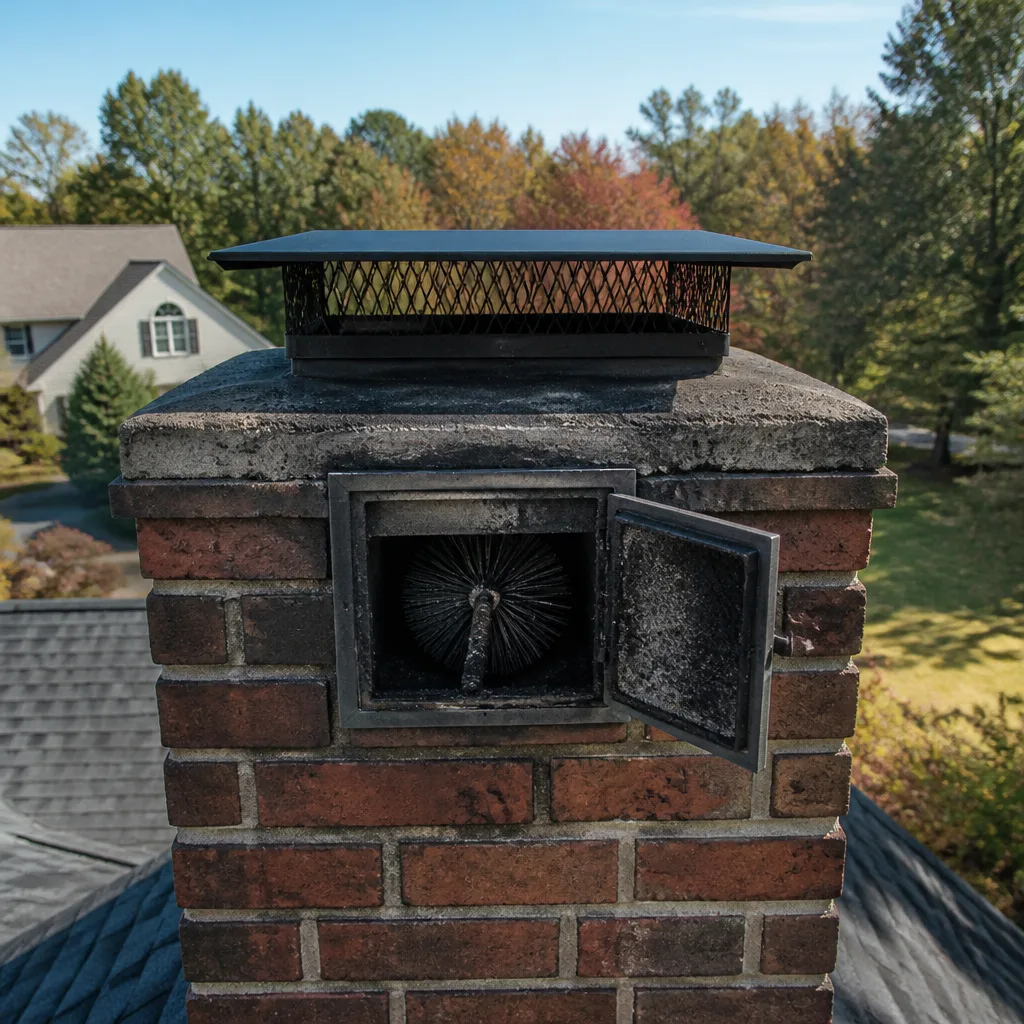 Sweep & inspection
 Caps & crowns
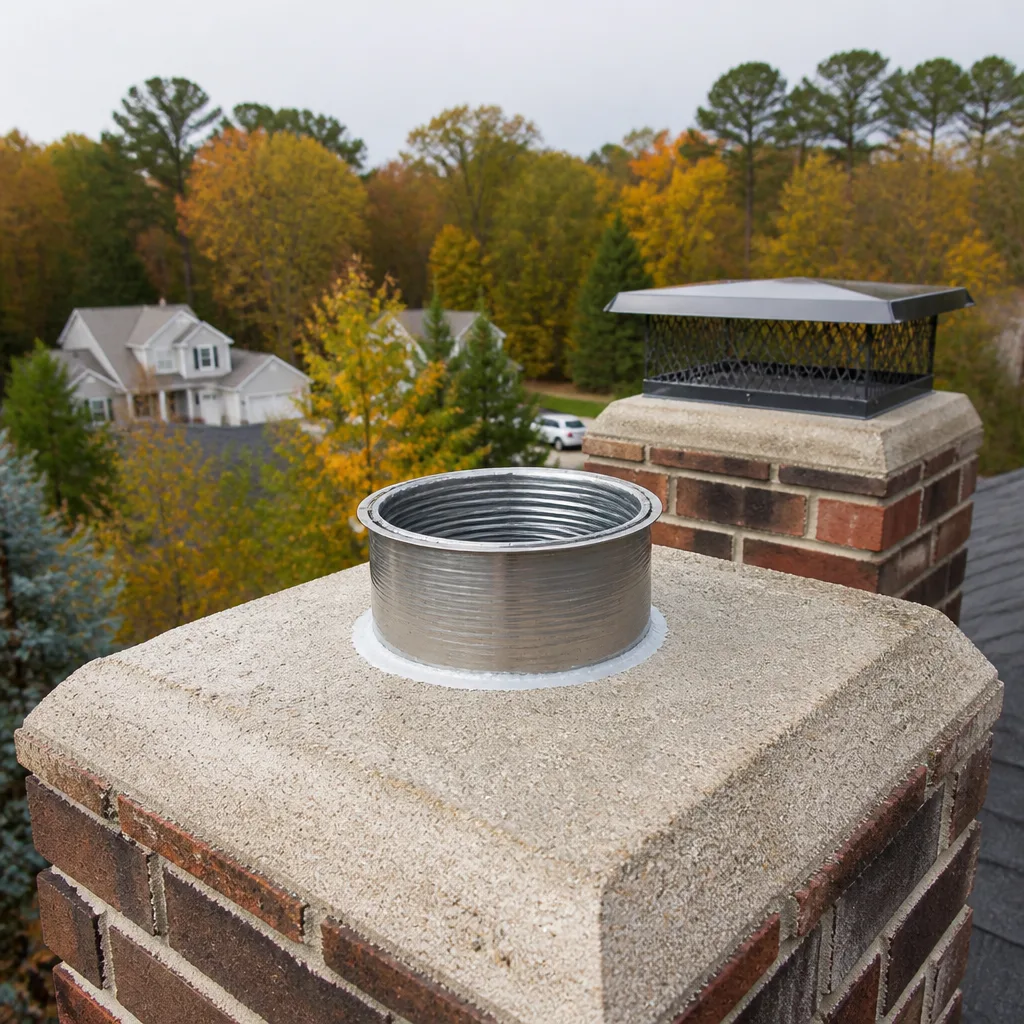 Flue relining
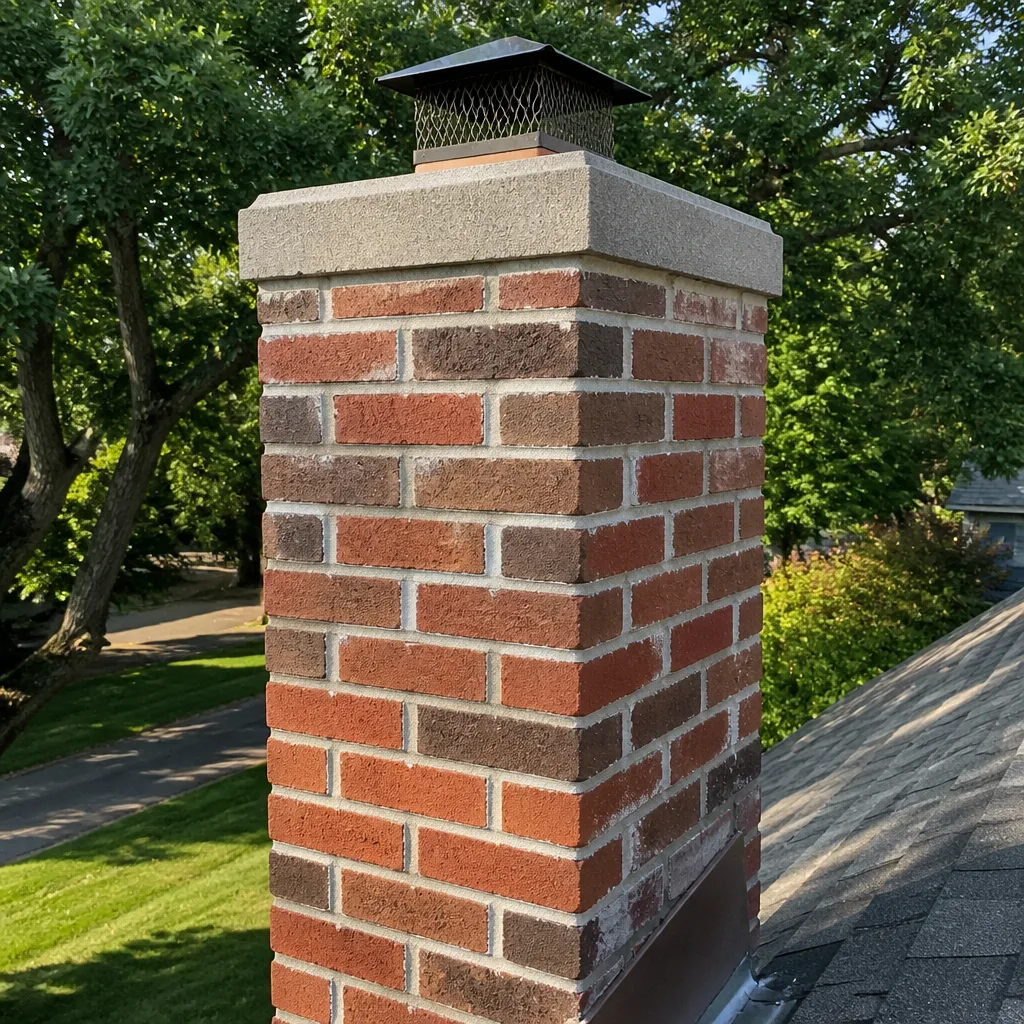 Masonry repair
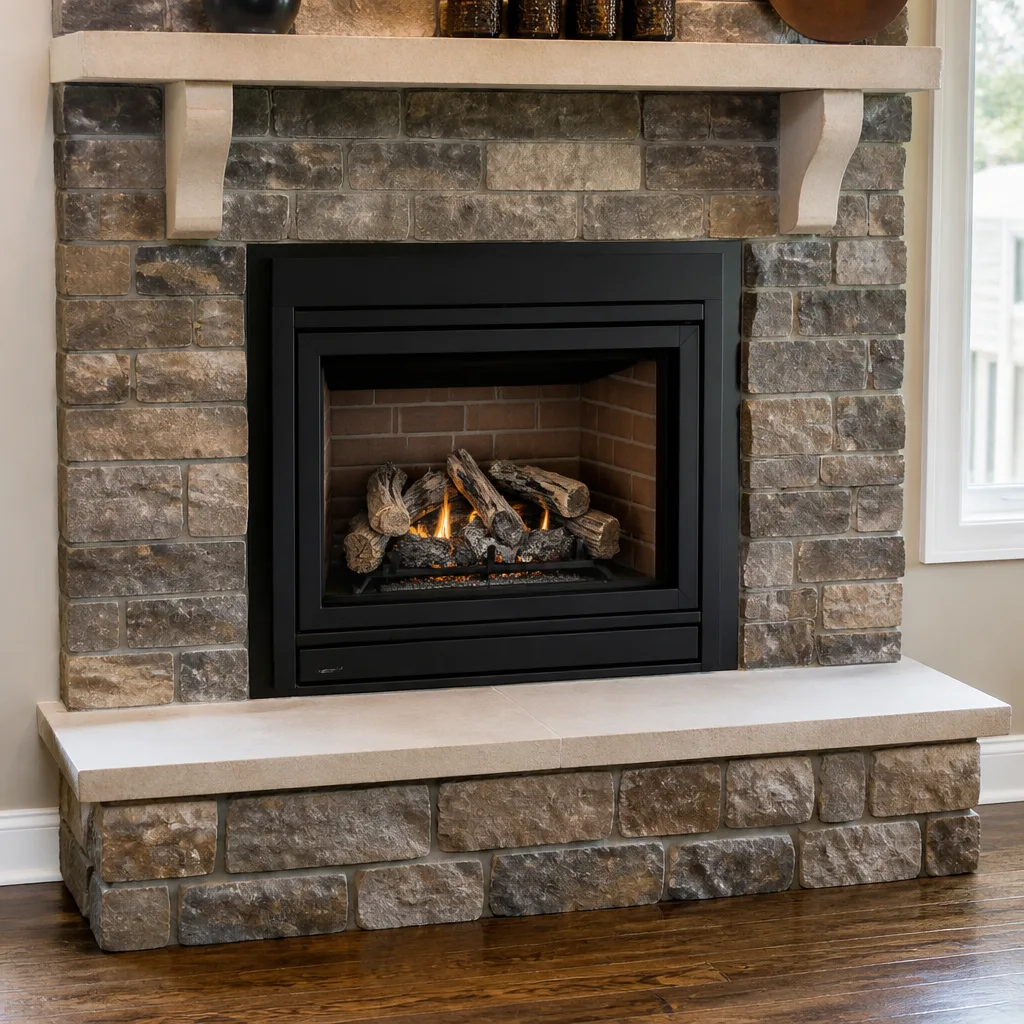 Gas fireplace service
Level 1 sweep and inspection to the NFPA 211 annual standard - flue, crown, cap, and flashing checked and photographed
Chimney sweep logs do not sweep chimneys. They loosen some creosote - which then falls where a brush and vacuum still have to collect it.
Choosing the Right Chimney Cleaning Brand: A Buyer’s Guide for Beaumont
A chimney cap stamped with a recognizable professional-grade brand name and a cap pulled from a home improvement store shelf may look identical to a homeowner. They’re built to different gauges, tolerances, and weather ratings, and the difference shows up in year three, when one is still sealing and the other is rusting through. The same holds for the brushes that sweep a flue, the sealants that repair a crown, and the liner systems that carry combustion gases out of your home. This guide names the professional-grade brands that matter in chimney work, explains what each was engineered to do, and shows you how to ask a contractor about their supply sources so you can judge material quality before you hire. It’s written from Beaumont, where the humid Gulf climate makes the durability question especially pointed.
Quick Answer
The right chimney cleaning brand depends on what the product does. For liner restoration, professional sweeps use HeatShield. For relining, they use DuraFlex flexible systems. For caps and weatherproofing, names like Gelco, Olympia Chimney, Famco, and Copperfield appear on the spec sheets. What separates a professional brand from a hardware-store alternative isn’t the logo. It’s the wire gauge, stainless steel grade, mesh sizing, and vapor permeability engineered specifically for chimney systems, and whether the contractor can name and stand behind what they install.
Styles & brands we work with
- Sweep & inspection
- Caps & crowns
- Flue relining
- Masonry repair
- Gas fireplace service
Table of Contents
- Why chimney brands matter more than most homeowners expect
- Why sweeps source from specialty suppliers, not big-box stores
- Brush and equipment brands: rotary systems vs. consumer kits
- Chimney cap brands: reading the spec sheet
- Sealants and crown coatings: vapor permeability in Beaumont’s climate
- Liner and restoration brands: HeatShield and DuraFlex
- How to ask a contractor what brands they use
- Common mistakes to avoid
Why Chimney Brands Matter More Than Most Homeowners Expect
A chimney is a system of parts that all have to work together: the flue liner, the crown, the cap, the flashing, the damper, and the masonry or prefab shell around them. Each component comes from a manufacturer, and each manufacturer builds to a spec. The question isn’t whether a brand exists. It’s whether the product was designed for a chimney, tested for the temperatures and moisture a chimney actually sees, and sourced by someone who understands what it’s for.
In Beaumont, that last point carries extra weight. The region’s humidity and heavy seasonal rainfall put a chimney under continuous moisture stress. A crown coating that lets water vapor escape while keeping liquid water out performs very differently from a coating that traps moisture inside the masonry. A cap built from thin galvanized steel and coarsely woven mesh behaves differently from one built from a heavier stainless gauge with tighter mesh. None of this is visible on the showroom floor. It shows up years later, which is why the brand behind the product is your best available proxy for how it was built.
This is also why we work with a fixed roster of professional suppliers rather than buying whatever’s cheapest on a given week. The brands we install and recommend include DuraFlex, HeatShield, Gelco, Olympia Chimney, Famco, and Copperfield. Each was chosen because it engineers products for chimney systems specifically, not for a general construction aisle.
Why Sweeps Source From Specialty Suppliers, Not Big-Box Stores
Walk into a large home improvement store and you can find a chimney brush, a tube of caulk labeled for masonry, and a stock cap. What you generally won’t find is a spec sheet that tells you the stainless grade of the cap, the wire gauge of the brush bristles, or whether the caulk remains vapor-permeable after curing. Those details live with specialty chimney suppliers, who sell to the trade and expect their buyers to know what the numbers mean.
This matters for three reasons:
- Product purpose. A specialty supplier stocks components built for flue temperatures, creosote contact, and weather exposure. A general retailer stocks products that are convenient to shelve.
- Traceability. Professional-grade products come with manufacturer documentation. If a cap fails or a liner needs warranty service, the paper trail exists. Off-brand materials often don’t.
- Accountability. A contractor who sources from professional suppliers can be held to a material standard. A contractor buying from the discount bin can’t tell you what they installed, because the label doesn’t exist.
In our experience across Beaumont, the supply source is one of the clearest signals of whether a contractor is a chimney specialist or a generalist with a brush. A specialist names their brands without hesitation. A generalist gets vague. That gap tells you a lot about what’s going into your system.
Brush and Equipment Brands: Rotary Systems vs. Consumer Kits
The brush that sweeps a flue is a piece of equipment, not a household tool, and the difference matters more than most people realize. Professional sweeps generally run rotary systems: a powered tool that spins a brush head at controlled speed through the flue. Consumer kits are usually a flexible rod with a hand brush on the end. Both remove creosote. Only one is built to do it consistently, at the right angle and pressure, for a wide range of flue sizes.
What separates a professional rotary system from a consumer kit
- Rod flexibility and memory. Professional rods are engineered to bend through offsets and returns in a flue without kinking or losing their shape. Cheap rods deform, which means inconsistent contact with the flue walls.
- Brush wire gauge and material. The bristle gauge is matched to the flue material. Too stiff and it damages a stainless liner. Too soft and it skips the glazed creosote that actually causes chimney fires.
- Flue compatibility. Professional systems come with interchangeable brush heads sized to the flue. That keeps contact even across masonry flues, clay tiles, and metal liners instead of improvised scraping.
- Control and consistency. A rotary system applies even rotational pressure. A hand rod applies whatever the person at the end can manage, which varies from sweep to sweep.
For Beaumont homeowners, the practical takeaway is this: ask what equipment is used and whether it’s a rotary system. If the answer is a rod and brush, you’re getting a surface-level sweep. If it’s a rotary system with sized brush heads, you’re getting the flue cleaned the way it’s meant to be cleaned. That distinction lives in the equipment, and the equipment comes from specialized manufacturers, not a general hardware aisle.
Chimney Cap Brands: Reading the Spec Sheet
The cap is the most exposed part of the chimney system. It sits at the top of the flue and takes the full force of rain, wind, and sun. When it fails, water gets into the flue and masonry, and everything below it starts to degrade. Professional-grade caps are built to a spec that accounts for this. Hardware-store caps are built to a price.
What to look for on the spec sheet
- Stainless steel grade. Professional caps typically specify a stainless grade and gauge. The gauge is the thickness of the steel, and heavier is more durable. If a cap’s documentation doesn’t tell you the grade, ask why.
- Mesh specification. The mesh opening size controls what gets in. A cap with the right mesh keeps out animals and large debris while still allowing full exhaust flow. Mesh that’s too coarse lets pests in. Mesh that’s too fine chokes the draft.
- Base construction and mounting. A professional cap is engineered to sit level and seal at the flue opening. A generic cap that sits loose or off-center will let water in around the edges.
- Weather ratings. Look for documented durability, not just a painted finish. Powder-coated steel and heavy stainless survive Beaumont’s wet seasons far better than thin galvanized metal.
We install caps from professional chimney brands including Gelco, Olympia Chimney, Famco, and Copperfield. Each of these builds caps with documented gauge and mesh specs. That’s the difference: a cap you can look up and stand behind, versus one you can’t identify once the packaging is gone.
Sealants and Crown Coatings: Vapor Permeability in Beaumont’s Climate
The crown is the concrete cap at the top of a masonry chimney. It sheds water off the sides of the chimney and away from the flue. When the crown cracks, water gets into the masonry, and in Beaumont’s humid climate, that moisture causes real damage. Masonry absorbs water, and trapped water expands and contracts with temperature changes, cracking brick and mortar from the inside.
Here’s where the brand question gets technical. The sealant on a crown has to do two things at once: keep liquid rain out, and let moisture vapor that’s already inside the masonry escape. A product that blocks both traps water inside, which is worse than the crack it was covering. Professional-grade crown coatings are formulated for vapor permeability. Consumer masonry caulks generally aren’t labeled for it, and many aren’t formulated for it.
Questions to ask about crown products
- What product is being applied to the crown, and what brand?
- Is the coating formulated for vapor permeability?
- How does it adhere to the existing crown, and what surface prep does it need?
- How long is the coating expected to last in a humid climate?
A contractor who can answer these questions is using a product they understand. A contractor who says “masonry caulk” and moves on hasn’t done the thinking. In Beaumont, that gap is the difference between a crown that performs and one that has to be redone. For more on what proper crown and system work looks like, see our chimney repair service.
Liner and Restoration Brands: HeatShield and DuraFlex
The flue liner is the most safety-critical part of the chimney. It carries combustion gases out of the house and protects the surrounding masonry or framing from the heat and corrosive byproducts of a fire. When a liner deteriorates, there are two paths: restore it or reline it. Both paths depend on the right product.
HeatShield for liner restoration
HeatShield is a liner resurfacing system designed specifically to restore a deteriorating flue liner without a full replacement. It’s applied to the interior of the existing liner to rebuild the surface and restore the protective barrier. For liners that are cracked or spalling but structurally usable, restoration is often the right call, and it avoids the cost and disruption of a full reline. The product was built for this exact application, which is the point.
DuraFlex for relining
DuraFlex is a flexible liner system used for relining jobs. It’s particularly useful for older chimneys and offset flue configurations, where a rigid liner won’t pass through the turns in the flue. The flexibility is engineered, not improvised, and it lets a liner follow the actual path of the chimney rather than forcing a straight run where the chimney doesn’t have one.
We use HeatShield and DuraFlex because both were engineered specifically for chimney systems. That’s a different category from a generic liner or a coating that happens to be labeled for high temperatures. When the product is designed for the application, the outcome is measurable. When it isn’t, you find out later. To learn more about how these systems fit into a full-service visit, see Chimney Sweep Beaumont.
How to Ask a Contractor What Brands They Use
The best way to judge material quality before you hire is to ask directly. A contractor who can name their supply sources is a contractor who can be held accountable for what they install. A vague answer is itself information. It tells you the contractor either doesn’t know or doesn’t want to be tied to a material standard.
A short script for the conversation
- “What brand of cap do you use, and what’s the stainless grade?” You’re looking for a name and a spec, not a description.
- “What product do you use on crowns, and is it vapor-permeable?” Vapor permeability is the technical term, and a specialist will recognize it.
- “If my liner needs work, do you use HeatShield, DuraFlex, or something else?” The answer tells you whether they have access to professional liner systems.
- “What equipment do you sweep with?” Rotary system with sized brush heads is the professional answer.
- “Can you show me what you find before recommending repairs?” A camera inspection with a photo report gives you evidence, not a sales pitch.
If you want to see how this plays out in a real service call, our chimney sweep page walks through what a visit involves. And if you’re mapping options in the broader area, our Beaumont page covers what homeowners here can expect.
Common Mistakes to Avoid
- Judging a product by how it looks on the shelf. A cap from a professional supplier and a cap from a hardware store can look nearly identical. The grade, gauge, and mesh are what matter. Ask for the spec, not the appearance.
- Letting a contractor use “whatever’s on the truck” for a liner. Liner work is where material quality matters most, because it’s the hardest thing to inspect afterward. Ask what brand and what system, and get it in the estimate.
- Covering a crown crack with consumer caulk. In Beaumont’s humidity, a non-permeable caulk can trap moisture in the masonry. A crack covered with the wrong product may look fixed while the damage continues underneath.
- Skipping the inspection because the sweep “looked fine.” A sweep cleans the flue. An inspection evaluates the cap, crown, flashing, and liner. They’re different services, and the second one is where problems get caught.
- Accepting a repair recommendation with no evidence. Ask to see the camera footage and the photo report before you approve any liner or masonry work. A professional will show you.
- Hiring a generalist handyman for chimney work. Chimney systems have their own materials and their own failure modes. A general contractor with a brush isn’t the same as a chimney specialist who sources from professional suppliers.
- Assuming mesh size is a small detail. The wrong mesh either lets animals in or restricts airflow. It’s a spec, not a cosmetic choice, and it should show up in the product documentation.
See the difference
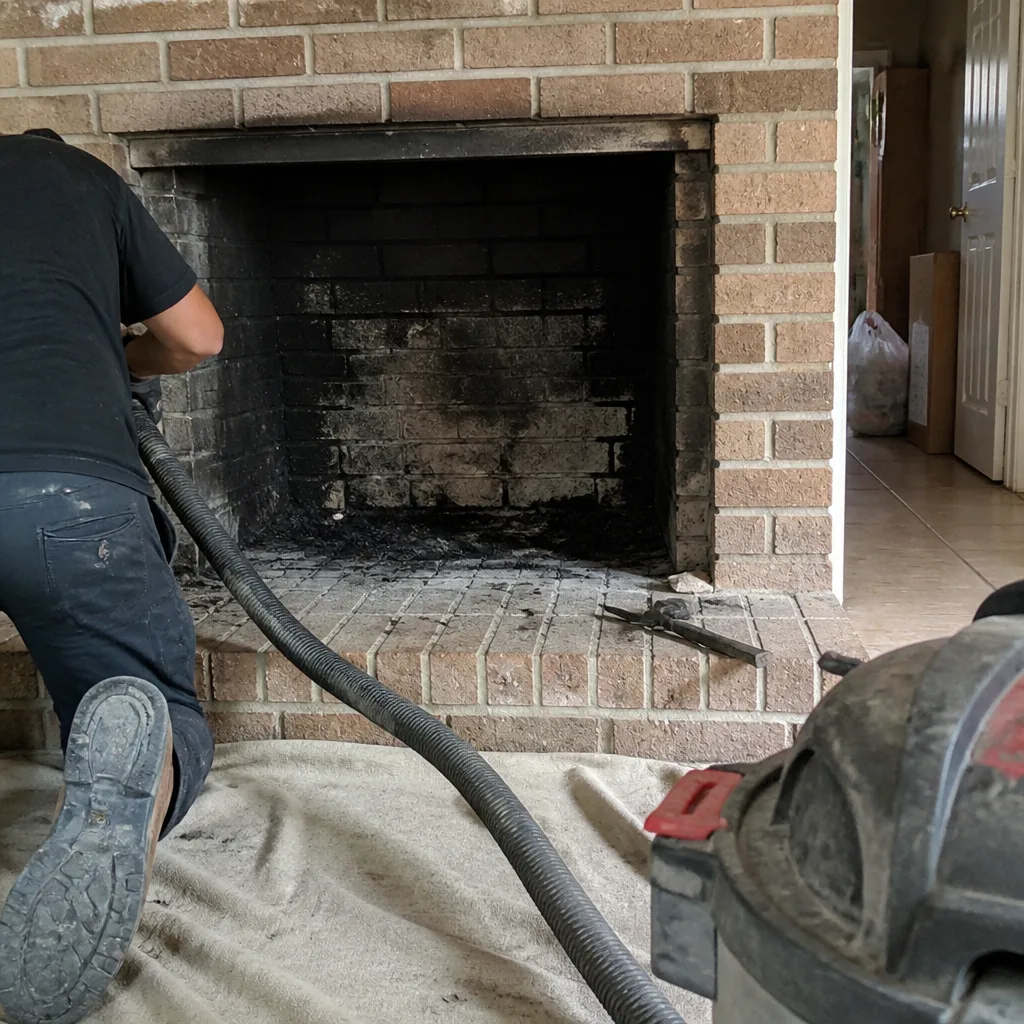 Before
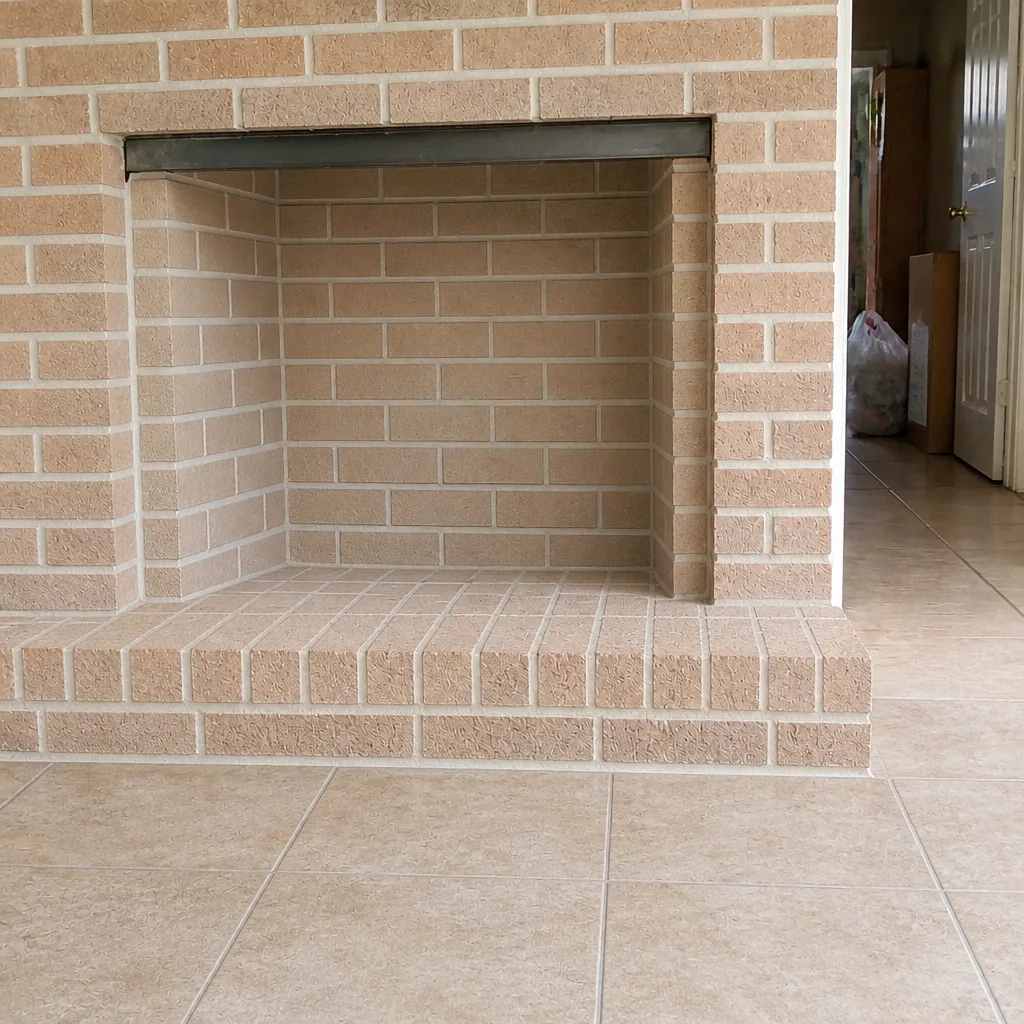 After
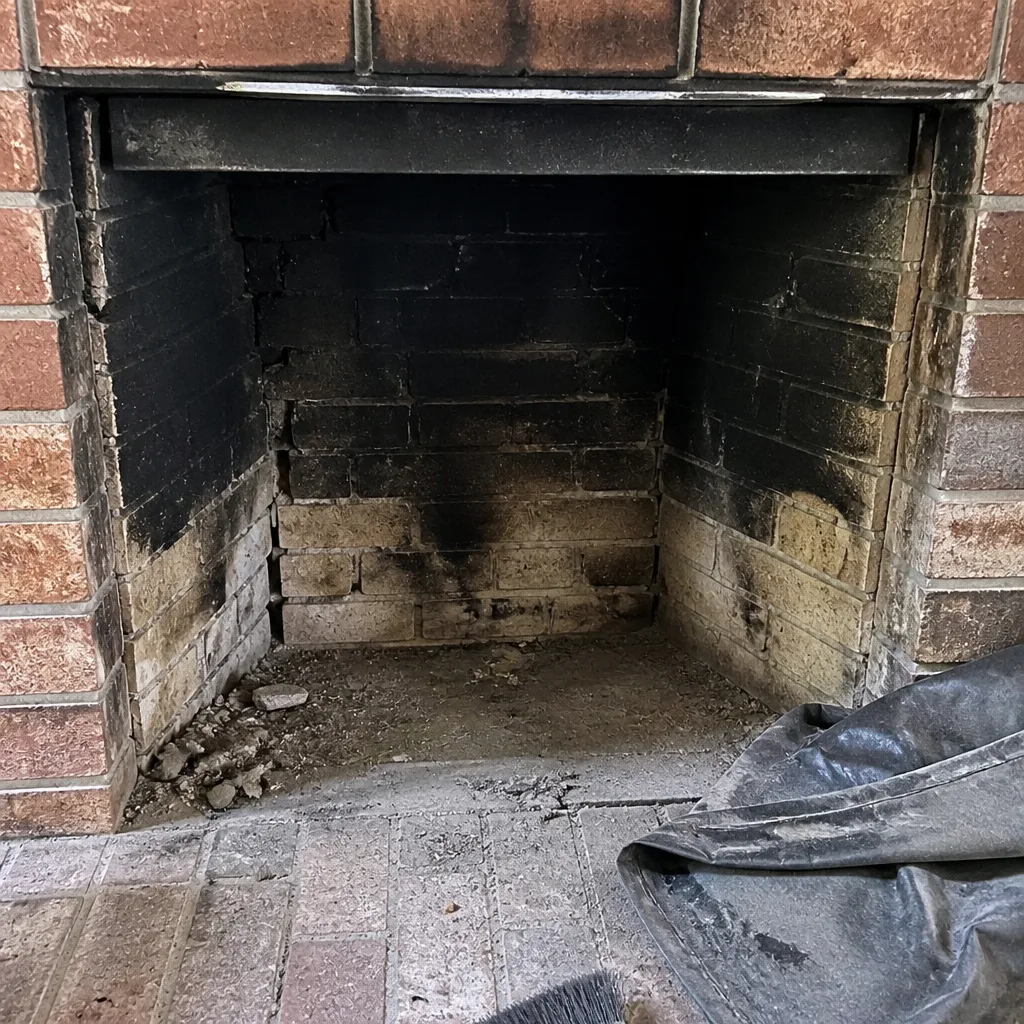 Before
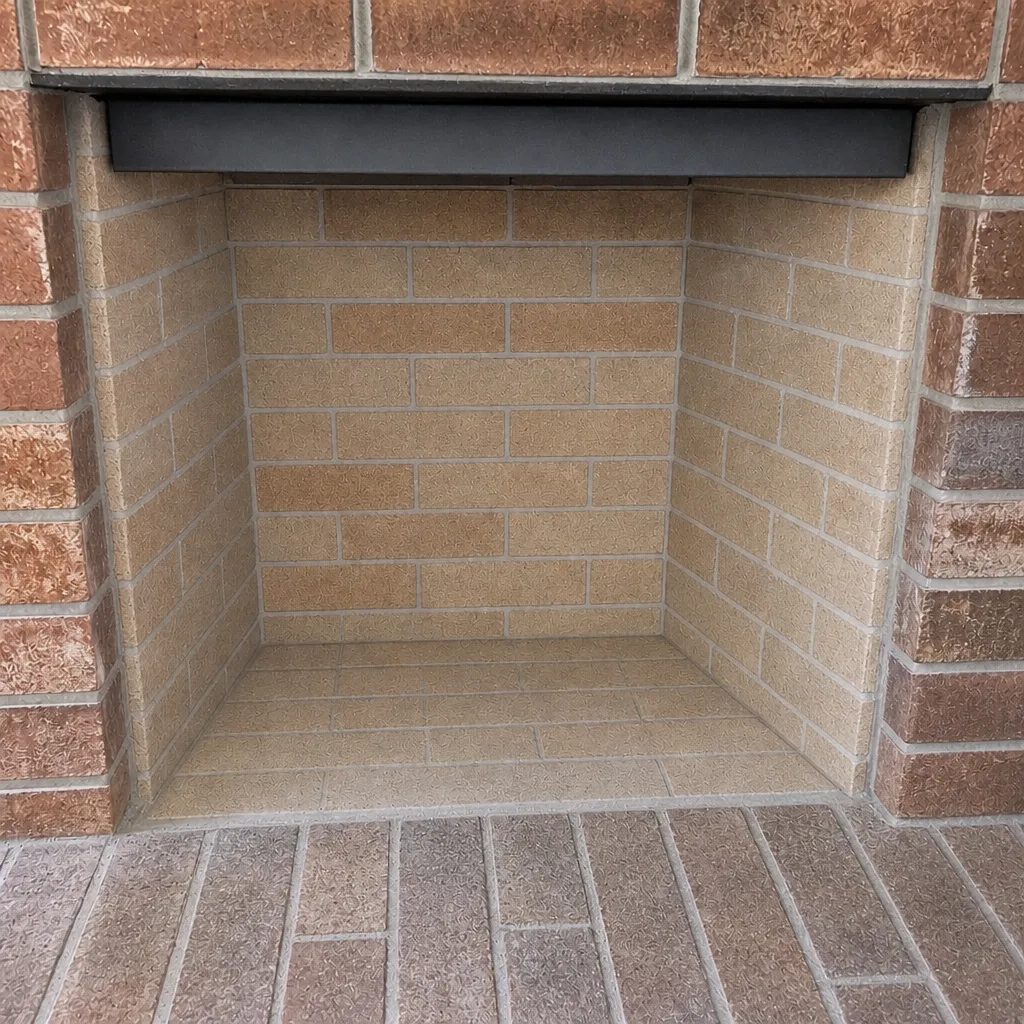 After
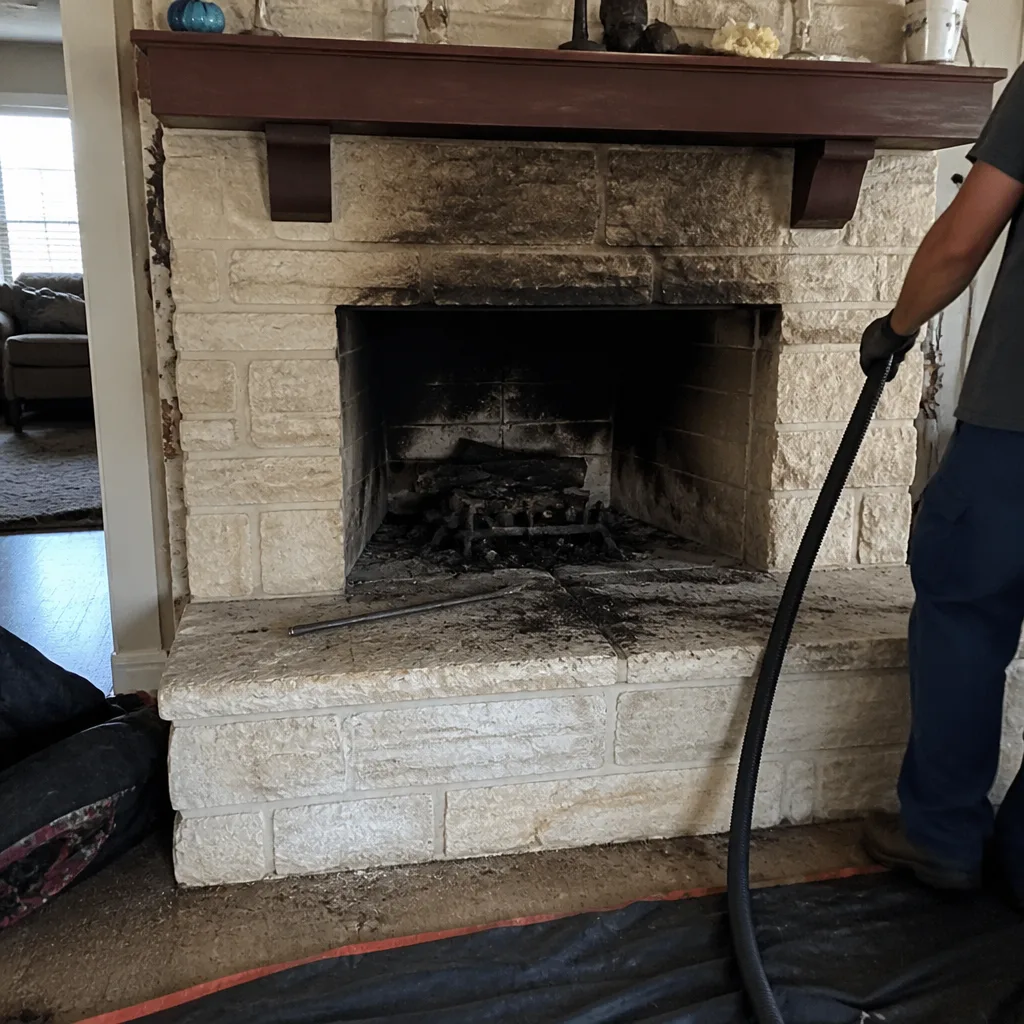 Before
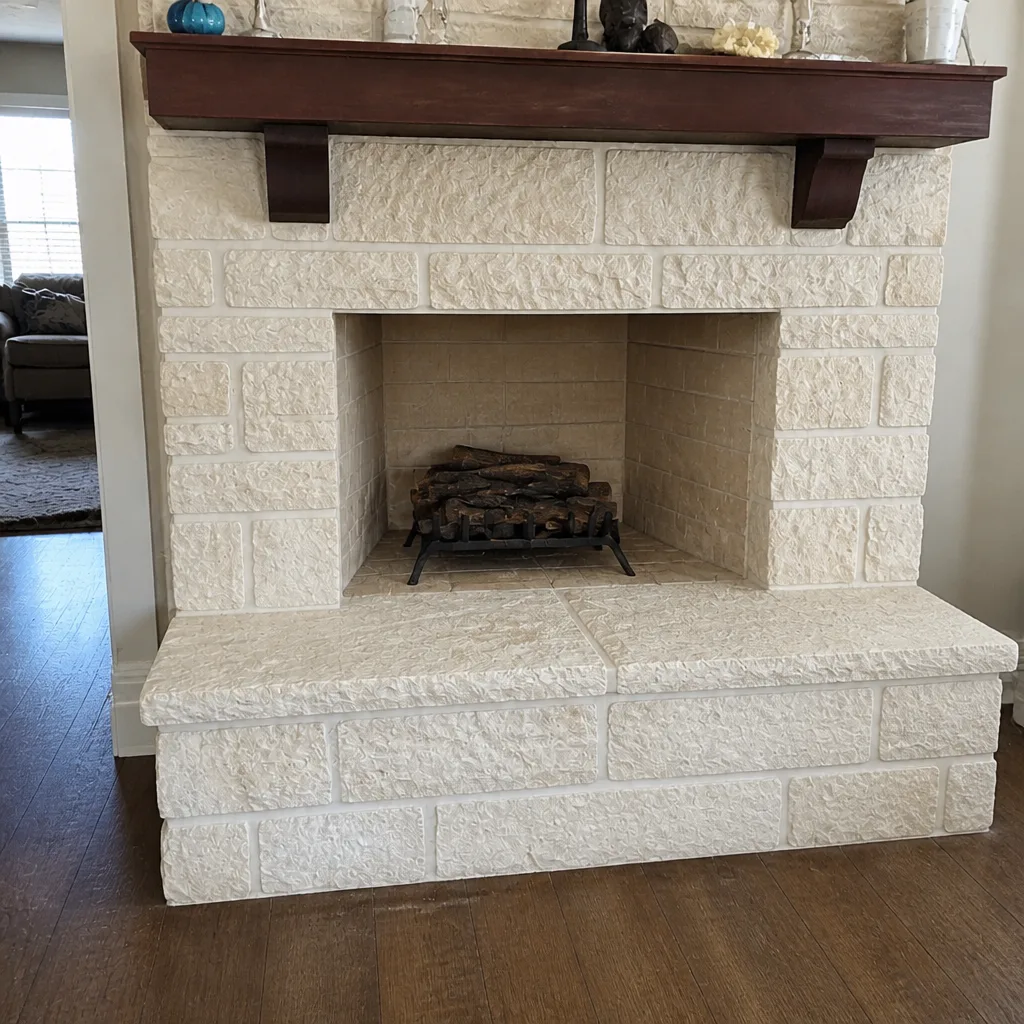 After
When to Call a Professional
Call a professional when the work involves anything beyond a visual check: a sweep that needs actual creosote removal, a cap that’s loose or missing, a crown that’s cracked, or a liner that may need restoration or replacement. Those are the points where material quality and proper installation determine the outcome. Call sooner if you’ve had a chimney fire, if smoke backs into the room, or if you notice water staining on the masonry. A professional inspection with camera evidence tells you what’s actually there. Chimney Sweep Beaumont offers free estimates in Beaumont. Call (833) 946-8798. We answer 24/7. Fast dispatch from 7am to 7pm, Sunday through Friday.
Frequently Asked Questions
There isn’t one “best” brand because the right product depends on the job. For liner restoration, HeatShield is the professional-grade choice. For relining, DuraFlex. For caps and weatherproofing, professional sweeps work with names like Gelco, Olympia Chimney, Famco, and Copperfield. The common thread is that each brand engineers products specifically for chimney systems. Call (833) 946-8798 for a free estimate and we’ll tell you what a given repair actually requires.
Specialty brands document what the product is built to: stainless grade, wire gauge, mesh size, vapor permeability. Hardware store products generally don’t publish those specs because they aren’t engineered to them. A specialty supplier also stands behind the product, which matters if something fails years later. Call (833) 946-8798 if you want to know what’s going into your system before you approve any repair.
It means the coating lets moisture vapor escape from the masonry while keeping liquid rain out. In Beaumont’s humid climate, that matters because trapped moisture causes damage. A non-permeable coating can seal a crack but hold water inside the brick. Call (833) 946-8798 for a free estimate on crown repair done with the right product.
A camera inspection answers that. If the existing liner is cracked or spalling but structurally usable, HeatShield restoration can rebuild the surface. If the liner is too far gone or the configuration calls for it, a DuraFlex reline is the path. The decision should be based on what the camera shows, not a guess. Call (833) 946-8798 for a free estimate.
It depends on how much you burn. A chimney used regularly through the cooler months generally needs an annual sweep and inspection. A chimney used only occasionally can go longer, but the inspection still matters. Ask for the sweep and the inspection as separate services so you know exactly what you’re getting. Call (833) 946-8798 for a free estimate.
Yes. We work with a fixed roster of professional suppliers: DuraFlex, HeatShield, Gelco, Olympia Chimney, Famco, and Copperfield. We’ll tell you which product a specific job calls for and why. Our technicians have up to 14 years of experience, and we’ll show you the camera evidence before recommending any repair. Call (833) 946-8798 for a free estimate.
The Bottom Line
The brands behind your chimney work tell you how the products were engineered, what they’re built to withstand, and whether the contractor can be held accountable for material quality. Look for professional-grade names: HeatShield for liner restoration, DuraFlex for relining, and Gelco, Olympia Chimney, Famco, and Copperfield for caps and weatherproofing. Ask your contractor what they use and why. A specialist answers with names and specs. A generalist doesn’t. In Beaumont’s humid climate, those answers determine whether your chimney system holds up over the years or has to be redone. Clean, repair, inspect: every part of your chimney system handled by one team that sources the right product for the job, not whatever’s cheapest.
Written by the team at Chimney Sweep Beaumont.