
Last updated November 15, 2026
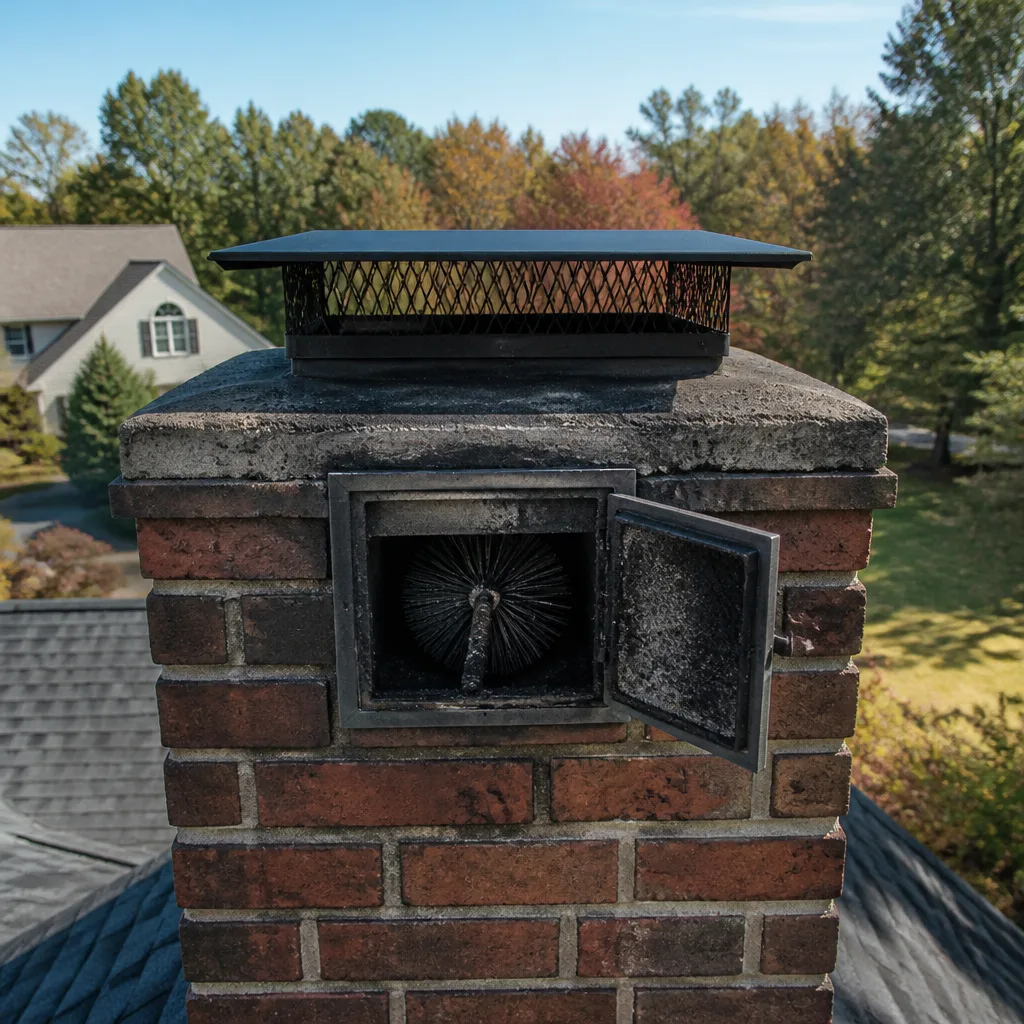 Sweep & inspection
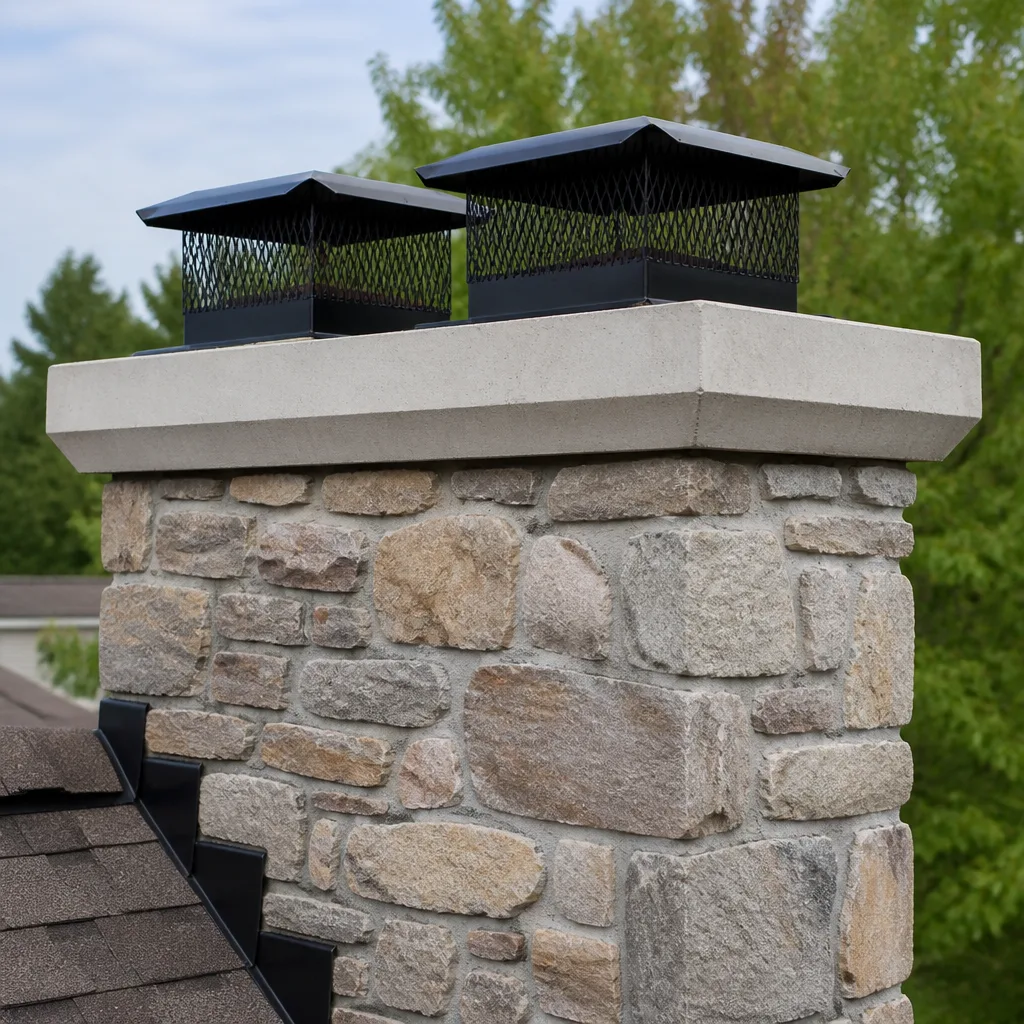 Caps & crowns
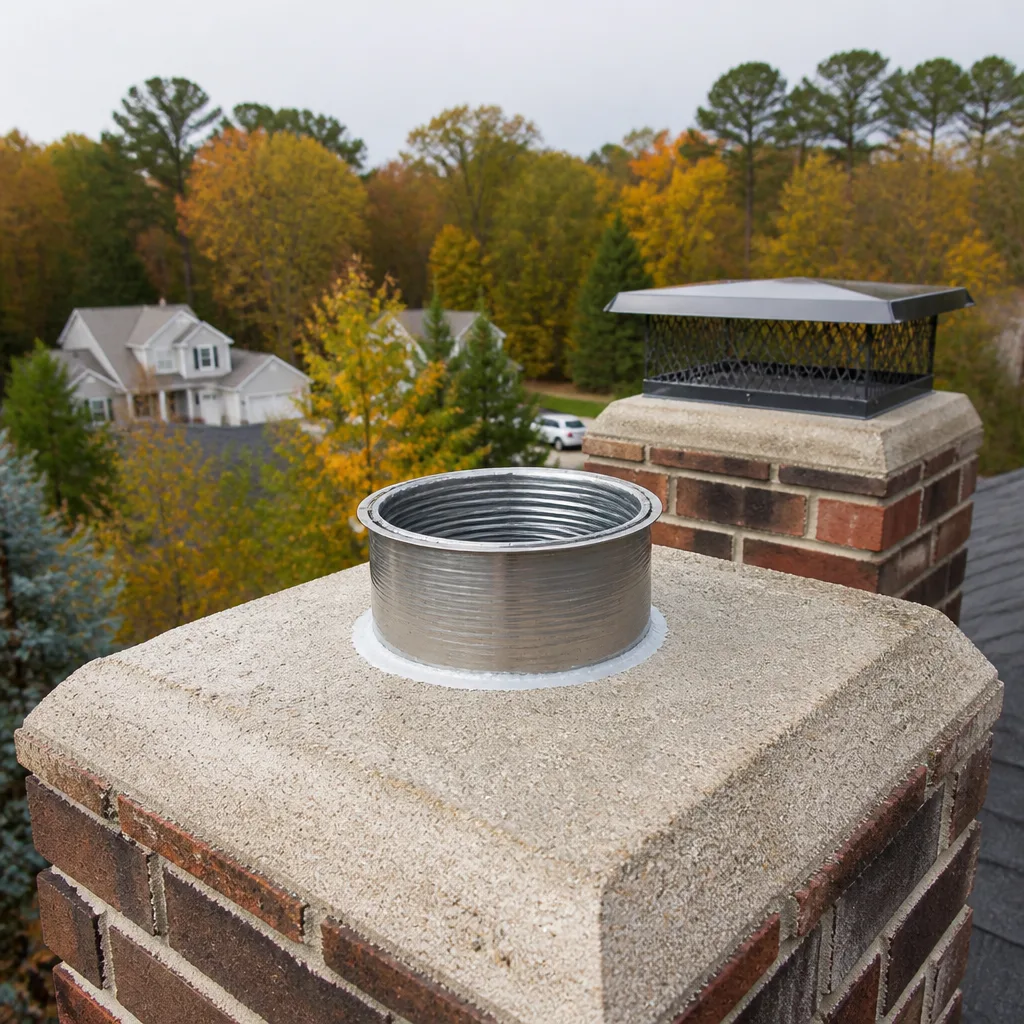 Flue relining
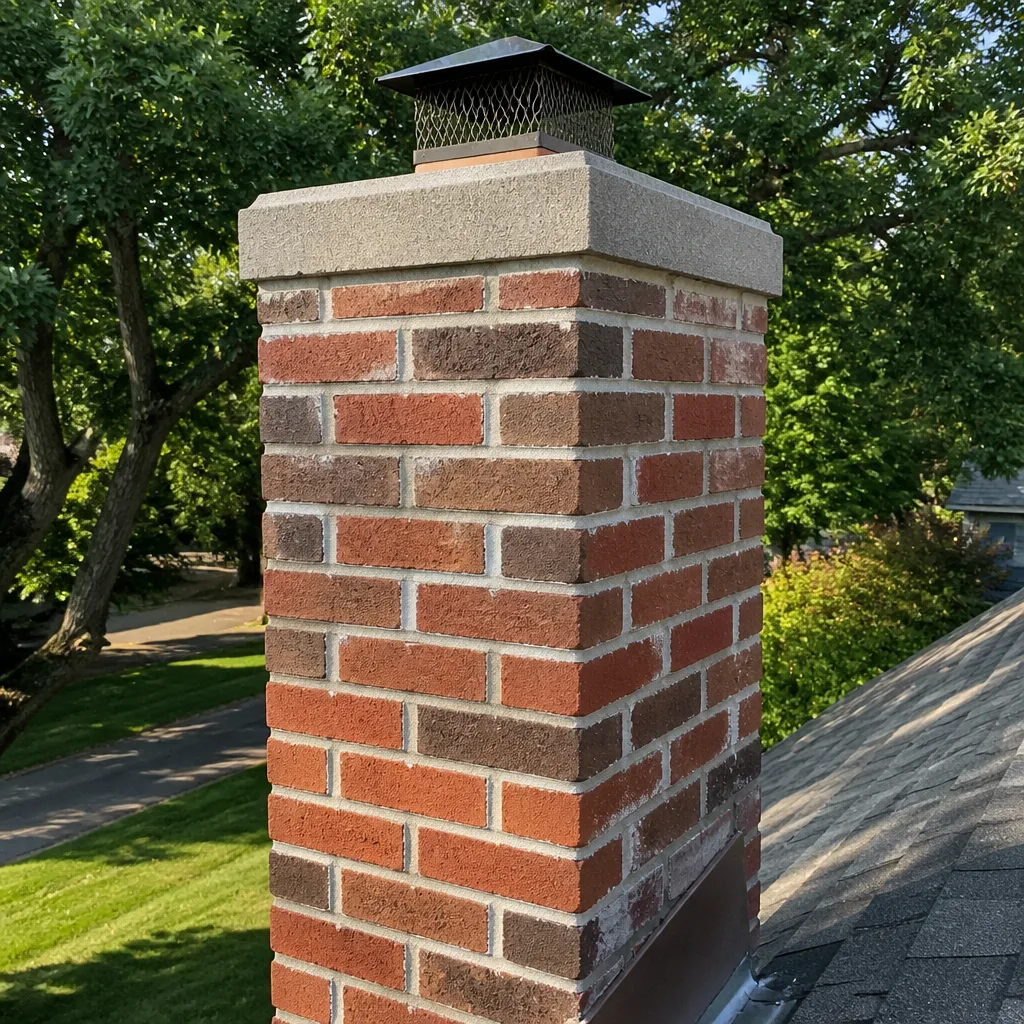 Masonry repair
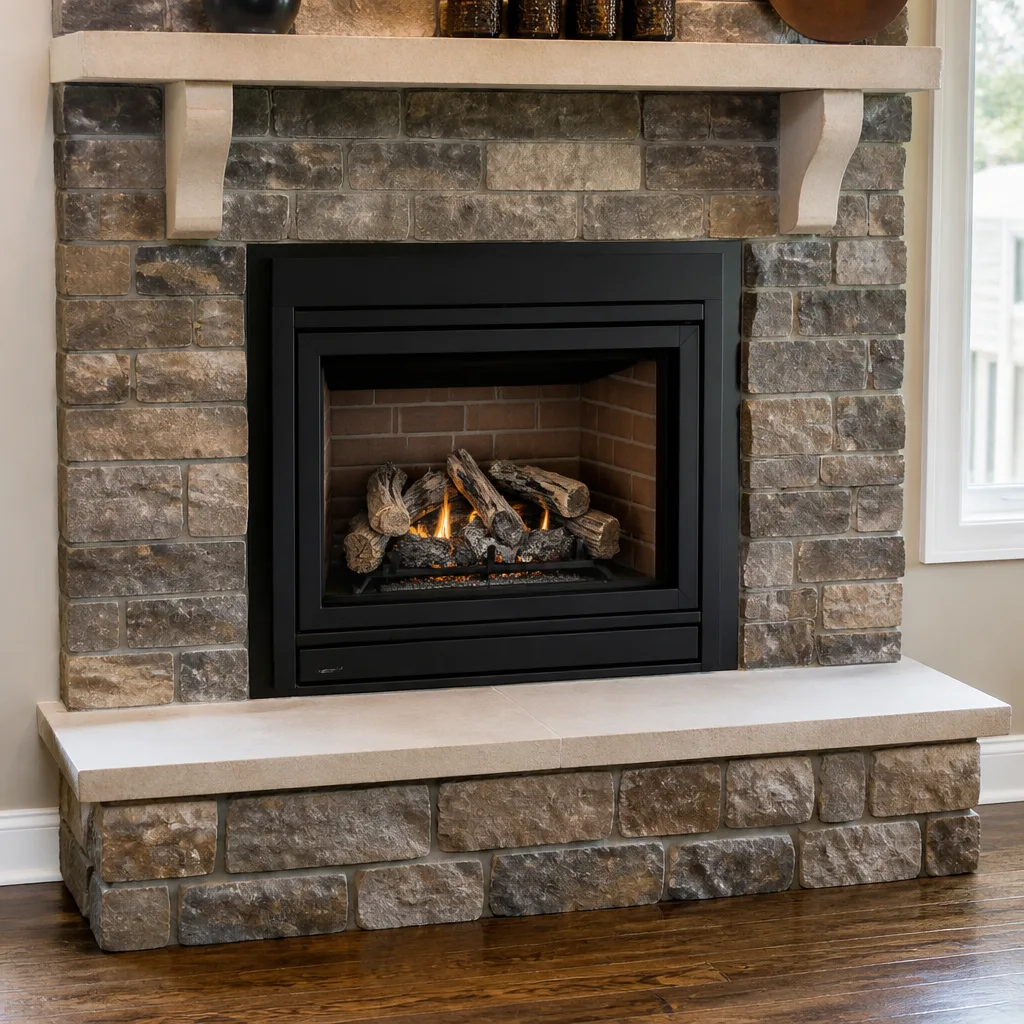 Gas fireplace service
Level 1 sweep and inspection to the NFPA 211 annual standard - flue, crown, cap, and flashing checked and photographed
Chimney sweep logs do not sweep chimneys. They loosen some creosote - which then falls where a brush and vacuum still have to collect it.
Chimney Sweep Troubleshooting in Beaumont: Common Problems and How to Fix Them
Most chimney problems homeowners blame on “old age” are diagnosable conditions with specific causes. A smoky fireplace usually isn’t the chimney at all. It’s a draft problem, and the culprit is often something as simple as a closed damper plate, a competing exhaust fan pulling air out of the room, or a flue sized wrong for the firebox. Knowing which symptom points to which failure keeps you from paying for the wrong repair. This guide maps the complaints we hear most in Beaumont to their root causes, shows you which checks are safe to do yourself, and explains when to call a trained professional.
Quick Answer
Most chimney problems in Beaumont fall into three groups: draft and smoke issues (usually a damper, sizing, or air-pressure problem), creosote and soot blockages (fixed by a proper chimney sweep), and structural decay in the masonry or flue liner (fixed by chimney repair using products like HeatShield or DuraFlex). Matching the symptom to the right group before you call saves money and gets the right fix the first time.
Styles & brands we work with
- Sweep & inspection
- Caps & crowns
- Flue relining
- Masonry repair
- Gas fireplace service
Table of Contents
- Symptom-to-Cause Map: What Your Chimney Is Telling You
- Why Does Smoke Come Back Into the Room?
- Creosote and Soot: The Blockage Problem
- How Beaumont Humidity Attacks Your Masonry
- Draft Calculations and Firebox-to-Flue Mismatch
- Damper Seal Failure vs. Flue Liner Crack
- Safe DIY Checks vs. Jobs for a Certified Sweep
- Water, Caps, and Weatherproofing
Symptom-to-Cause Map: What Your Chimney Is Telling You
Every chimney complaint has a signature: a smell, a timing, a visual tell. Learning to read those signatures is the fastest way to narrow down what’s actually failing. The smell matters most. A sharp, acrid creosote smell points to buildup in the flue. A damp, musty smell points to water getting in. A smoky smell that appears only when the fire is lit points to a draft or flow problem, not a blockage.
Timing matters too. Smoke that rolls into the room only when you first light the fire, then clears, usually means a cold flue that hasn’t warmed up. A chronic, all-the-time smoke problem points to sizing or pressure. Smoke that starts suddenly after a repair or a remodel points to a change in the system, like a new exhaust fan or an added appliance competing for air.
The visual tells are just as useful. Here’s the map we work from:
- Smoke rolls back when the fire starts, then clears: cold flue or a partially closed damper.
- Smoke rolls back every time, regardless of fire size: flue too small, too short, or obstructed.
- Acrid, tarlike smell even when the fireplace is cold: creosote buildup in the flue.
- Musty smell and white staining on exterior brick: water intrusion or efflorescence from moisture.
- Crumbling mortar joints or loose brick at the crown: spalling masonry, often accelerated by humidity.
- Sudden smoke problem after a kitchen or bath fan install: competing exhaust pulling the room negative.
In our experience working across Beaumont, the symptom map resolves about four out of five complaints before anyone gets on the roof. The remaining fifth usually turns out to be a combination: a small draft problem sitting on top of overlooked creosote, or a hairline liner crack that only shows up under the right light.
Why Does Smoke Come Back Into the Room?
Smoke rolling into the room is a draft problem. It is not a chimney problem in the sense of “a hole somewhere letting air in.” It’s a flow problem: the amount of air coming into the room is less than the amount the fire needs, or the flue isn’t tall or wide enough to pull that fire’s exhaust up and out. Fix the flow and the smoke stops.
The common causes, roughly in order of how often we find them:
- Closed or partially closed damper. The simplest cause. Check the damper plate is fully open before you light the fire.
- Cold flue. A flue full of cold air resists the smoke. Warming the flue with a rolled newspaper torch before you light the fire usually cures it.
- Competing exhaust fans. A kitchen or bath fan running while the fire is lit pulls air out of the house and down the chimney. Crack a window near the fireplace before you open the damper to test this.
- Negative pressure from a tightly sealed house. A modern house with new windows and spray-foam insulation starves a fire for air. The same crack-a-window test will confirm it.
- Undersized or short flue. A flue that’s too small for the firebox size, or too short to clear the roof, can’t keep up with the fire. This is a sizing problem, covered in more detail below.
- Obstruction in the flue. Nesting debris, a fallen liner tile, or a collapsed bird screen can choke flow. This is a creosote and blockage problem less about draft and more about capacity.
- Blocked smoke chamber. The smoke chamber above the damper, if it’s coated with heavy creosote or has broken parging, disrupts flow and sends smoke back. This needs a proper sweep to inspect and correct.
Start with the cheapest test. Open the damper fully. Crack a window. Light the fire. If the smoke clears, the problem is pressure or damper, not structure. If it doesn’t, the flue is helping the smoke back in, and that’s when you need a trained eye. A Chimney Sweep Beaumont inspection will show you the flue interior and confirm what’s causing the backdraft.
Creosote and Soot: The Blockage Problem
Creosote is the residue left when wood smoke cools on its way up the flue. It builds up in stages: first as a light, flaky soot, then as a sticky, tarlike layer, then as a hard, glazed coating. Glazed creosote is the dangerous kind. It’s highly flammable, and it’s the fuel for most chimney fires. It also blocks flow, which makes the smoke problem worse.
In Beaumont, creosote tends to build up fast. High humidity means the air is often near saturation, and damp wood or a smoldering fire produces far more creosote than a hot fire would. A fireplace used regularly with wood that hasn’t been fully seasoned can coat a flue more than a season’s worth of burning would suggest. The fix is a proper sweep, not a chemical spray.
Symptoms that point to creosote buildup:
- An acrid, tarlike smell even when the fireplace hasn’t been lit for days.
- Smoke rolling into the room more often than it used to, with no change in fire size.
- A visible black or shiny coating when you look up the flue with a flashlight.
- Wood that doesn’t draft as well as it did last season.
- Any buildup at all, if it’s been more than a season since the last sweep.
A proper sweep uses a screw or brush setup sized for the flue, not a shop vac and not a brush borrowed from a larger flue. The sweep also runs a camera so you can see what was there and what the flue looks like after. If your creosote has reached the glazed stage, a sweep alone may not be enough, and you may be facing a liner issue. That’s where chimney repair work, often using HeatShield to resurface or DuraFlex to reline, becomes the right call rather than heroic scrubbing.
How Beaumont Humidity Attacks Your Masonry
Humidity is the slowest and most expensive chimney problem in Beaumont. Wet mortar joints, saturated brick, and a flue liner that stays damp through most of the year all decay faster here than in a drier climate. The mechanism is simple. Water gets into the masonry through the top of the chimney (at the crown or the unsealed brick edges), through a missing or damaged cap, or through a chimney that has no cap at all. That water sits. When the sun comes out and the masonry dries, the water in the pores expands and pushes the surface off. That’s spalling. Brick faces flake, then crumble. Mortar joints soften and erode. What looks like a cosmetic stain becomes a rebuild if you wait long enough.
The signs to watch for, in order of how early they appear:
- White staining on exterior brick. Efflorescence, usually the first visible sign that water is moving through the masonry. It isn’t a structural failure yet, but it’s a warning.
- Soft or crumbling mortar joints. Probe carefully with a screwdriver tip. If the mortar gives easily, water has done its work and the joint needs repointing.
- Flaking brick faces. Spalling has started. Once it reaches the interior face of the masonry, the flue liner’s protection is compromised.
- Staining on interior walls or ceiling near the chimney. Water is coming in and finding a path down. This usually points to a failed crown or a bad flashing detail at the roof.
- Debris on the smoke shelf or damper. Flakes of brick or mortar in the firebox mean the interior of the masonry is failing.
Most Beaumont chimney problems we see with this cause trace back to one of three things: no cap, a cracked crown, or failed flashing. A proper chimney cap, like the ones we install from Famco or Copperfield, keeps rain out of the flue and out of the masonry. Repointing the joints and sealing the crown early costs a fraction of what a rebuild or reline will cost after a decade of ignored water damage. Humidity in Beaumont never stops working on a chimney, so the fix isn’t just repair; it’s keeping the water out going forward.
Draft Calculations and Firebox-to-Flue Mismatch
A fireplace that smokes whenever you light it, regardless of weather, is usually a sizing problem. The firebox and the flue have to work as a matched pair. The chimney draws air up through the flue, and the flue has to be wide enough to carry the volume of smoke the firebox produces and tall enough to keep the upward pressure strong. Get one of those wrong and the smoke has nowhere to go but into the room.
The ratio that matters: the flue’s cross-sectional area needs to be sized to the firebox opening. In practice, that’s roughly one-tenth of the firebox opening area, with adjustments for flue height and the number of offsets. A firebox that’s been enlarged, a chimney extended for a taller house, or a flue that’s been downsized by a liner that’s too small for the firebox all push the system out of balance. That’s the chronic-smoke case that no amount of damper fiddling will cure.
These are the clues that point to a sizing mismatch rather than a blockage or draft problem:
- The fire smokes consistently, not just on start-up or in windy weather.
- Smoke gets worse as the fire grows.
- A nearby fireplace on the same chimney draws fine while yours doesn’t.
- The chimney was extended, rebuilt, or relined at some point and the smoking started after that.
- A short chimney that doesn’t clear the roofline by enough height struggles on still days.
If that sounds like your fireplace, the fix isn’t a cap or a sweep. It’s a proper flue assessment, accurate measurements of the firebox and flue, and a chimney professional who can work out whether the flue can be corrected with a liner, an extension, or a different draft solution. Doing the math first keeps you from paying for the wrong product.
Damper Seal Failure vs. Flue Liner Crack
Two common failure modes look almost identical from the living room, and the fix is completely different. A damper that no longer seals lets cold air down the chimney when the fireplace is off, so the room feels drafty and the fire is slow to start. A flue liner crack is a structural problem: hot gases and creosote can escape the liner and reach the surrounding masonry, which is a fire risk and a carbon monoxide risk. Knowing which one you have matters.
The tissue-paper test is the homeowner-safe way to tell the difference. Here’s how to run it:
- Wait for a cold, calm day. Wind and warm weather mask the result.
- Close the damper fully. Light a small piece of tissue or a strip of newspaper and hold it near the damper plate.
- Watch the flame or smoke. If it’s pulled toward the damper, the damper is sealing poorly (or the plate is warped or the gasket is worn). If it stays put, the damper is holding.
- Open the damper, then shine a flashlight up the flue. Look for a continuous, unbroken liner surface. Any visible crack, gap, or missing section is a liner problem, not a damper problem.
- Feel for cold air coming down the flue when the damper is closed. Strong flow downstream means the damper isn’t sealing.
A worn damper gasket or a warped damper plate is fixable and often same-day work. A liner crack is not. It needs a full liner assessment, and if the liner is compromised, a HeatShield resurfacing (for a liner that’s still structurally sound but has lost its surface) or a DuraFlex reline (for a liner that needs to be replaced entirely). Both are products engineered specifically for chimney systems. Neither is a job for a hardware-store tube of sealant. The tissue-paper test tells you which one you’re likely looking at; only a camera inspection confirms it.
Safe DIY Checks vs. Jobs for a Certified Sweep
There are checks a careful homeowner can do with a flashlight and a piece of tissue paper. There are also checks that look harmless and aren’t. The dividing line is whether the check involves going on the roof, probing the structure, or getting into the smoke chamber. Below that line, you’re fine. Above it, you risk a fall or a misread that leads to the wrong repair.
Safe for homeowners:
- Damper open/close test. Confirm the damper opens fully and closes flush. Listen for metal-on-metal scraping.
- Tissue-paper draft test. Run it on a cold, calm day to check damper seal and cold-air flow.
- Visual firebox inspection. Look at the brickwork and the firebrick at the back and sides. Crumbling firebrick, missing mortar, or a warped grate are visible.
- Flashlight check of the flue. Look up from the firebox with the damper open. You’ll see the first few feet of the liner. Visible cracks or heavy glazed creosote warrant a professional call.
- Look for creosote smell. If there’s an acrid smell when the fireplace is cold, that’s buildup.
- Check the exterior crown and cap. From the ground with binoculars, look for cracked crown material or a missing cap.
Not safe, and not for homeowners:
- Probing mortar joints on the chimney exterior. A screwdriver can dislodge more than it tests, and a misread from the roof can miss a serious issue.
- Inspecting the smoke chamber. That area above the damper is where the worst creosote and worst structural damage hides, and it needs a camera and proper access.
- Walking the roof to inspect the crown or flashing. This is the most common way homeowners get hurt doing chimney checks.
- Any work inside the flue. Brushing or scraping from inside the firebox without the right equipment pushes creosote and soot into the room, and a misjudged brush can crack the liner.
The professional standard for this work is a CSIA-certified sweep, and that’s the credential to ask for. Their camera equipment sees the smoke chamber and the full flue in a way no flashlight can, and the inspection gives you a photo record of what’s actually there, not a verbal summary of what you’re told you need.
Water, Caps, and Weatherproofing
Water is the single most common cause of long-term chimney damage in Beaumont. A chimney that’s capped, has a sound crown, and has flashing that’s been done correctly lasts decades. One that lets water in costs you in repointing, then in rebuilt brickwork, then in a liner. The fix is prevention, and the prevention is mostly parts.
Here’s what a well-protected Beaumont chimney has, top to bottom:
- A proper cap. Fits the flue exactly, made of a material designed for chimney use. The caps we install come from Famco or Copperfield, and they’re sized for the flue, not picked off a shelf for “close enough.”
- A sound crown. A poured crown with a slight slope, so water runs off the top rather than sitting on the masonry. A cracked or mortared-over crown is the most common water entry point.
- Correct flashing at the roof. Step flashing at the chimney sides, counter-flashing at the front, and a cricket for a wide chimney. A flashing detail that just uses sealant will fail within a few years.
- Sound mortar joints. Repointed before the brick itself is affected. Catching this early saves the rebuild.
- A capped or screened flue opening. Keeps out birds, squirrels, and rain. It also stops leaves and debris from adding to the creosote load.
Once water is in the masonry, it never leaves. It moves through the brick, comes out through the mortar, and pushes the brick face off when it dries. In a humid climate like Beaumont’s, the drying takes weeks, not days, so the damage compounds. A capped and sealed chimney is the cheapest insurance you can buy against a rebuild.
Common Mistakes to Avoid
- Blaming “old age” for a fixable problem. A smoky fireplace at 30 years is the same smoky fireplace at 3. The symptom is a diagnosis, not a life sentence, and matching it to a cause often leads to a small, correct repair rather than a rebuild quote.
- Assuming a sweep is a substitute for an inspection. A sweep cleans the flue. An inspection shows you what the flue looks like, including the smoke chamber and the liner, which no sweep covers. Ask for the inspection as a separate assessment so it’s a real answer and not a sales pitch.
- Using a hardware-store sealant on a liner crack. Sealants from a general-purpose aisle aren’t made for the temperatures and chemistry of a chimney flue. A liner crack needs a liner product, like HeatShield for resurfacing or DuraFlex for relining. The wrong material fails in the first hot burn.
- Ignoring the crown and the cap. These are the parts that let the water in. If you fix the flue and the liner but the crown is still cracked and the cap is still missing, water will find its way back in. It always does.
- Firing up a chimney that hasn’t been swept this season. A creosote load from last season combined with the first fire of this one is the classic chimney fire setup. If you can’t remember the last sweep, get one before the first fire.
- Running the bath or kitchen fan while the fire is lit. Fans pull air out of the house and pull smoke down the chimney. If you can’t turn the fan off during a fire, crack a window near the fireplace to balance the pressure.
- Skipping the camera. A verbal report that you “need a liner” without a photo of the liner isn’t a diagnosis. Camera inspection is what makes the assessment honest, and it’s what shows you where the problem actually is.
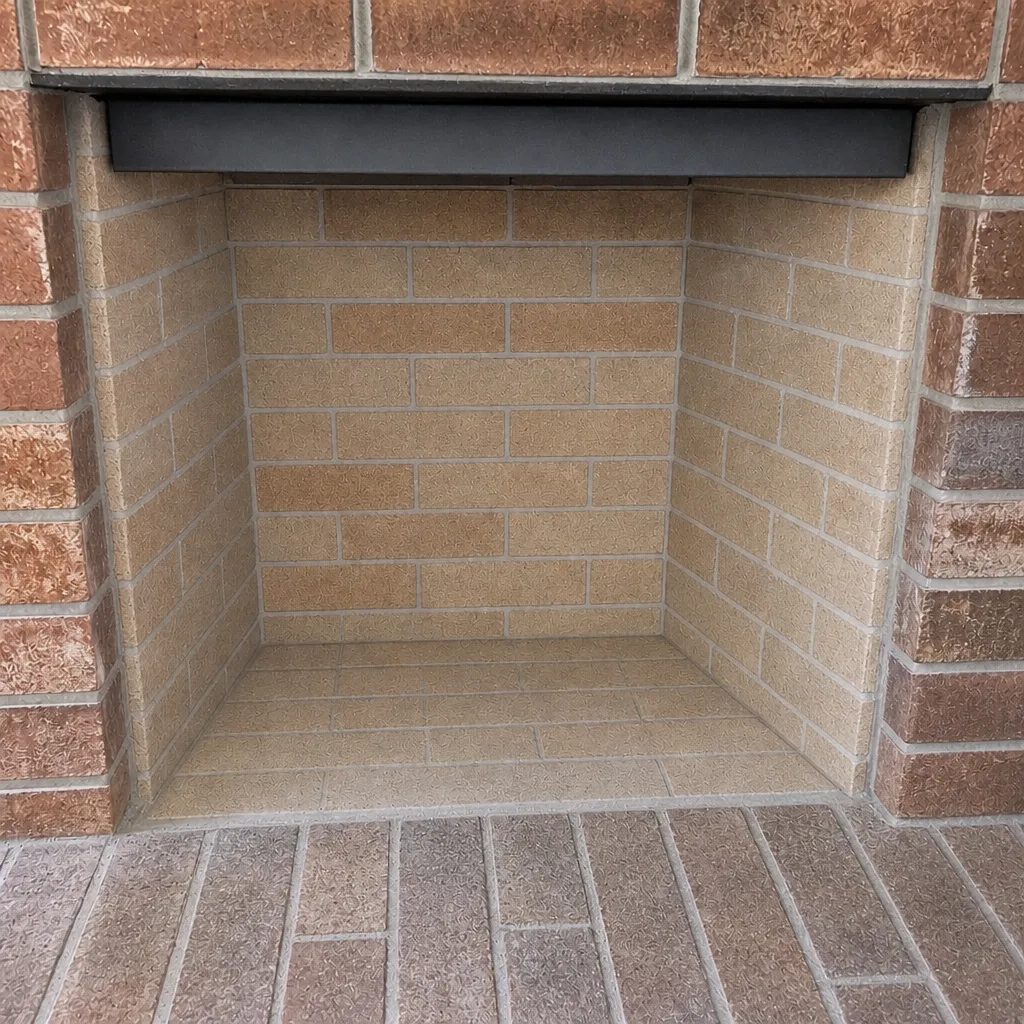
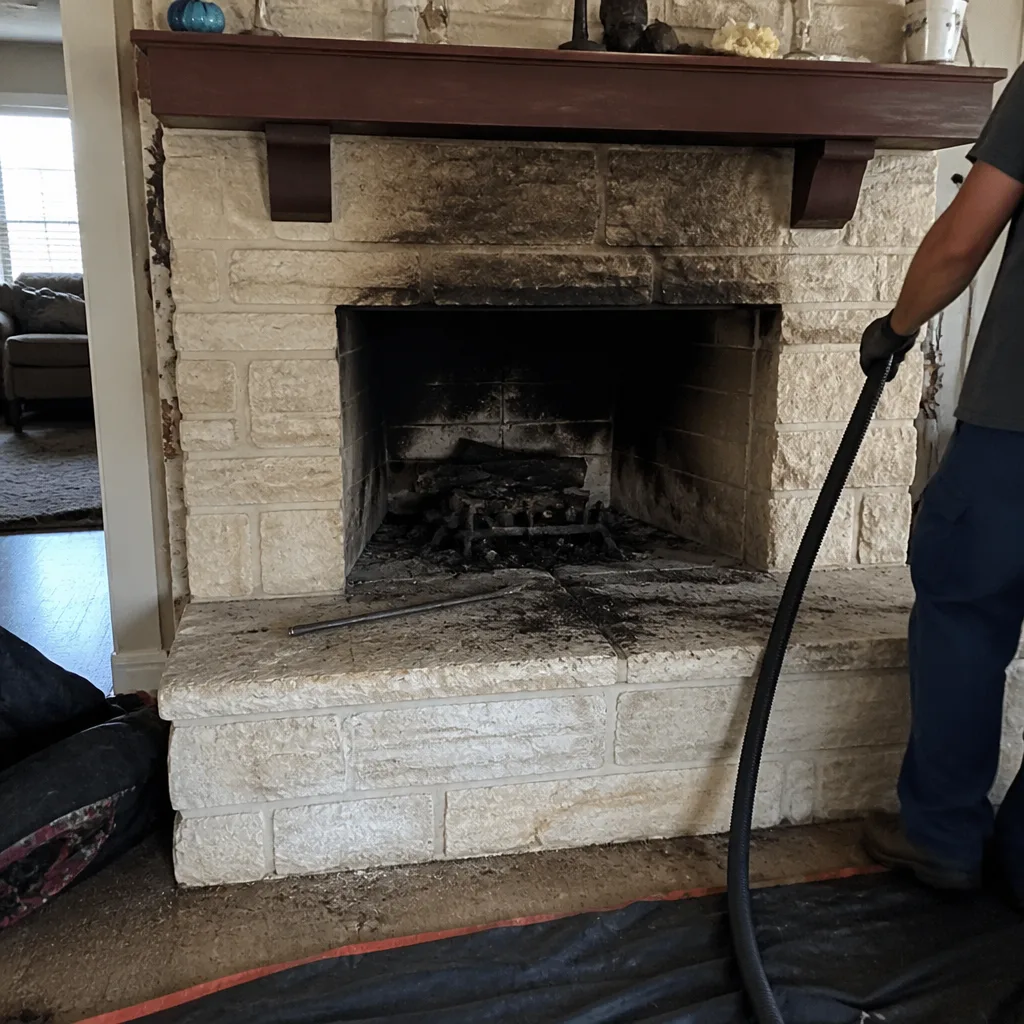
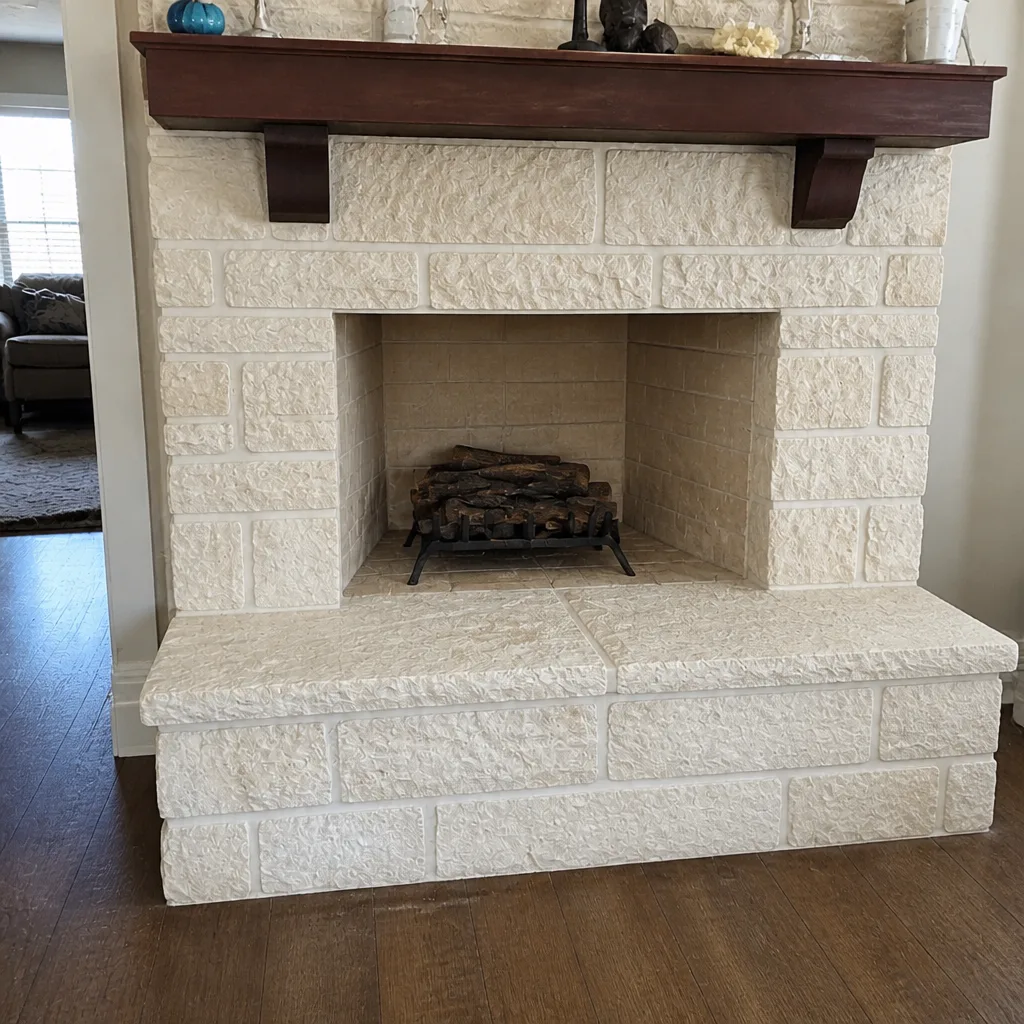
See the difference
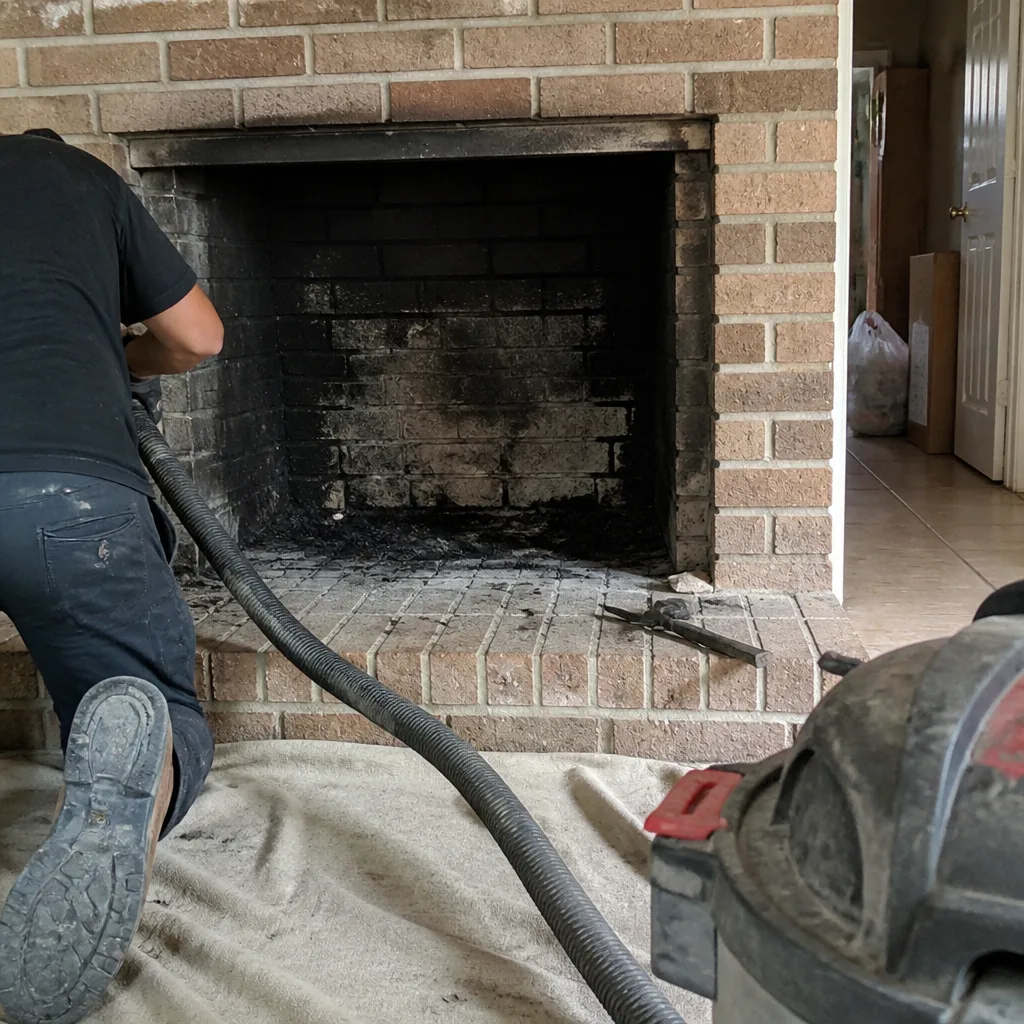 Before
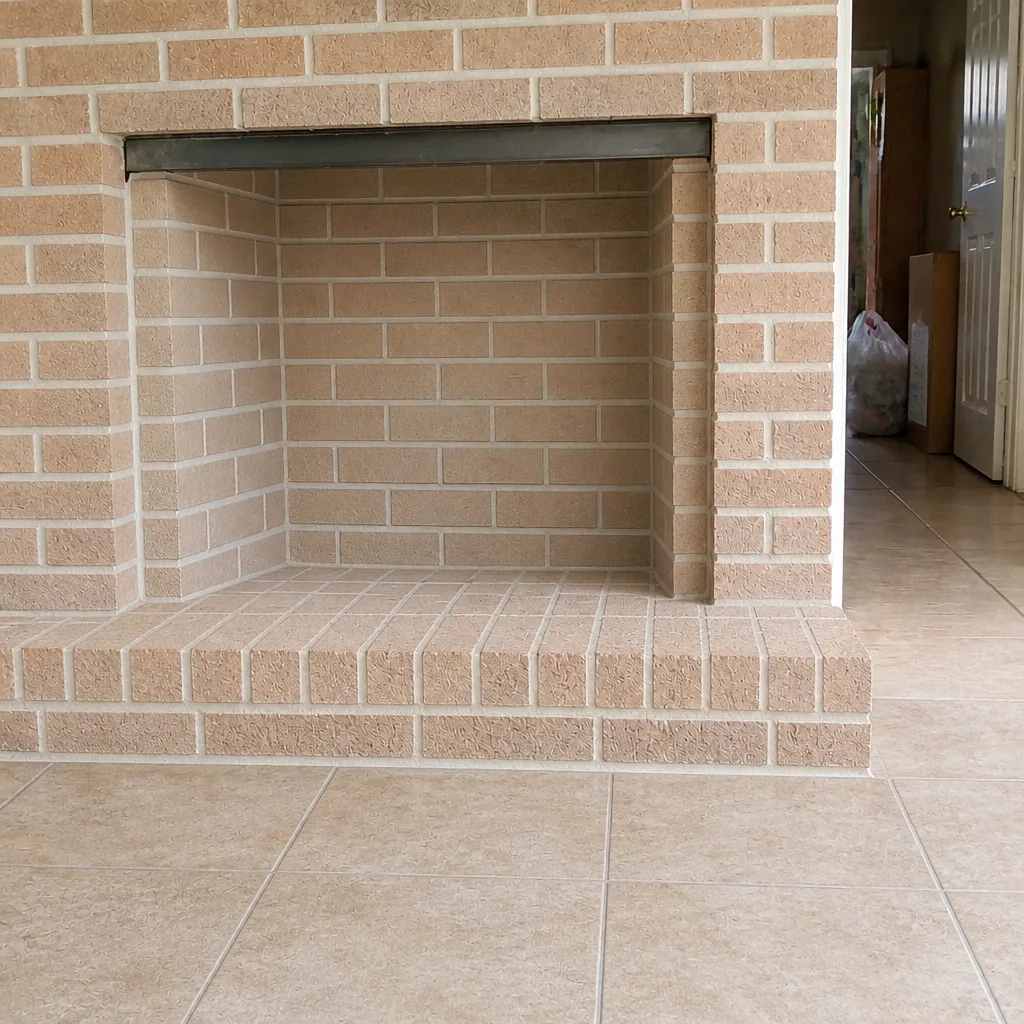 After
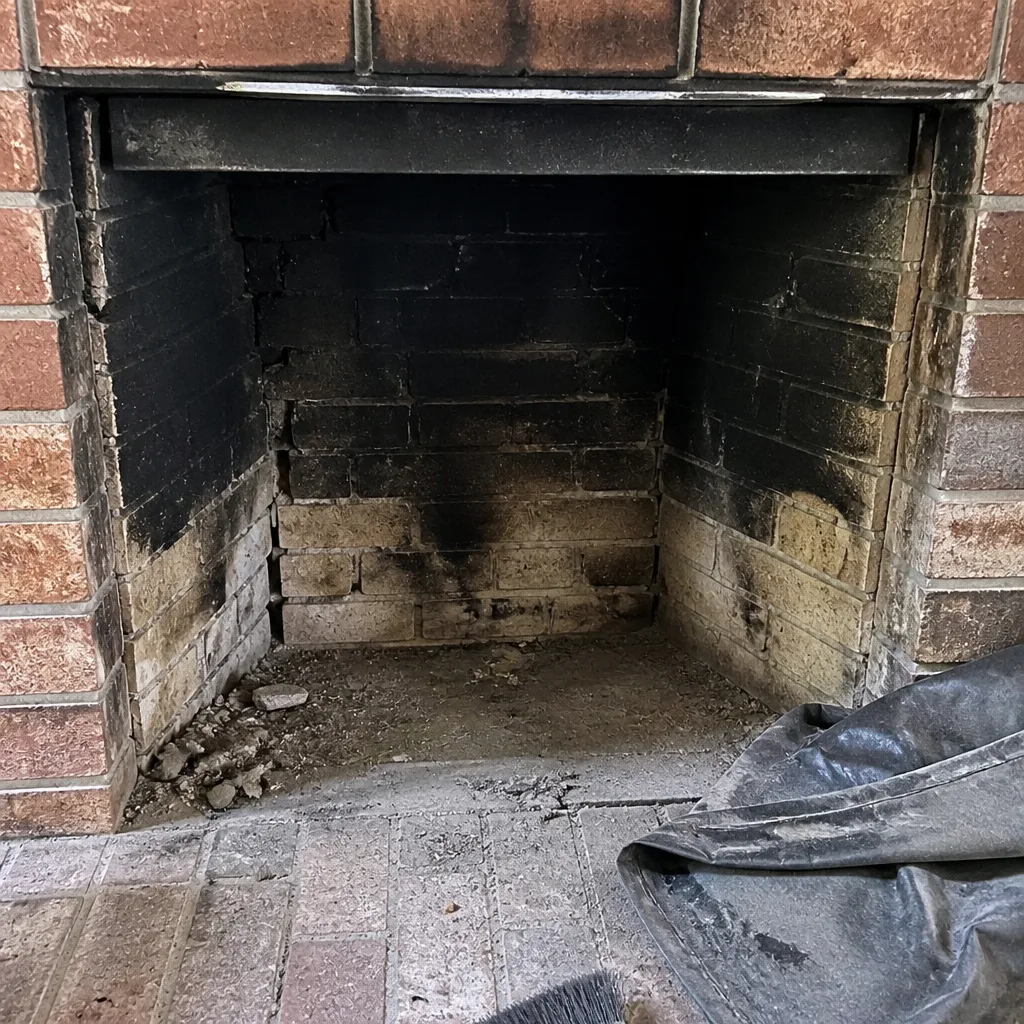 Before
 After
 Before
 After
When to Call a Professional
Call us when the symptom matches a professional job. That means: smoke coming into the room and the damper and window checks don’t fix it. An acrid smell from the fireplace when it’s cold. A visible liner crack or a helmet through the smoke chamber. A damper that won’t seal, and you’ve confirmed the plate is warped or the gasket is gone. Signs of water in the masonry: white staining, crumbling mortar, flaking brick faces, or stains on the ceiling near the chimney. A first fire after a long idle period, and the last sweep was more than a season ago. Any question about whether your liner needs resurfacing or replacement. Chimney Sweep Beaumont offers free estimates in Beaumont and can inspect independently, so the assessment isn’t tied to any particular repair. Call (833) 946-8798. We answer 24/7. Fast dispatch from 7am to 7pm, Sunday through Friday.
Frequently Asked Questions
That’s a cold-flue problem. The flue is full of cool air that has to be displaced before the fire can draft, and the first few minutes of burn are the fight between the fire’s heat and the cold air plug. Warming the flue first (with a rolled newspaper torch held briefly under the open damper, following safe practice) usually clears it. If the smoking continues past the first few minutes, work through the causes in the smoke section above. If it keeps happening, call (833) 946-8798 for an assessment. Estimates are free.
Run the tissue-paper test: damper closed, on a cold calm day, light a strip of tissue at the damper and watch whether the flame is pulled toward the plate. Pulled toward the damper means the damper is failing. After that, shine a flashlight up the flue and look for a continuous unbroken liner surface. A visible crack or gap means a liner problem, and that’s a professional assessment, not a hardware-store fix. Call (833) 946-8798 to book a camera inspection. We answer 24/7.
An acrid, tarlike smell from an unused chimney means creosote buildup. An acrid smell is a safety signal, not just an inconvenience. A damp, musty smell points to water in the masonry and is a separate problem. Either way, a sweep and inspection shows what’s actually in the flue, and a photo record tells you whether you’re looking at a sweep or a liner assessment. Call (833) 946-8798 to book. Estimates are free.
It can be. Humidity accelerates mortar erosion and brick spalling, so a Beaumont chimney spends more of its life damp than the same chimney would in a drier climate. The fix is prevention: a sound crown, a correct cap, and repointing caught early, before the brick faces start to flake. Inspecting the exterior mortar once a year is the cheapest check you can do, and catching it early saves the rebuild.
Once a year when the fireplace is in regular use, and at the start of every heating season regardless. If you burn unseasoned wood or burn often through a humid season, it can need a second sweep. The cheapest way to know is a camera inspection that shows you what’s in the flue. Call (833) 946-8798 for a sweep and inspection in Beaumont. Estimates are free.
No. A liner crack is a structural failure of the flue, and a general-purpose sealant isn’t engineered for chimney temperatures or chemistry. It will fail on the first hot burn. The correct products for this work are HeatShield for resurfacing a liner that’s lost its surface but is otherwise sound, and DuraFlex for relining a liner that needs to be replaced. Both are professional products, installed with a proper assessment first. Call (833) 946-8798 to book that assessment.
The Bottom Line
Most of what looks like chimney “old age” in Beaumont is a diagnosable condition with a specific fix. Smoke into the room is a draft problem you can usually narrow down with a damper check and an open window before any truck shows up. Creosote buildup is a sweep, not a spray. Water damage in the masonry is a crown, a cap, and repointing, done early. A glazed liner needs a professional call, not a hardware-store tube. Match the symptom to the cause, use the tissue-paper and flashlight checks that are safe to run yourself, and get a camera inspection for anything that involves the smoke chamber, the flue interior, or the roof. A proper inspection tells you what’s actually there, not what justifies the next repair.
Chimney Sweep Beaumont handles sweeping, repair, and inspection, and we work with professional-grade products from brands like DuraFlex, HeatShield, Famco, and Copperfield. From cap to flue, we use the right product for the job, not whatever’s cheapest. Our technicians have up to 14 years of experience. If a chimney in Beaumont is giving you a symptom you can’t pin down, call us for a real diagnosis rather than a guess. Call (833) 946-8798. We answer 24/7. Fast dispatch from 7am to 7pm, Sunday through Friday. Estimates are free.
Written by the team at Chimney Sweep Beaumont.