
Last updated November 15, 2026
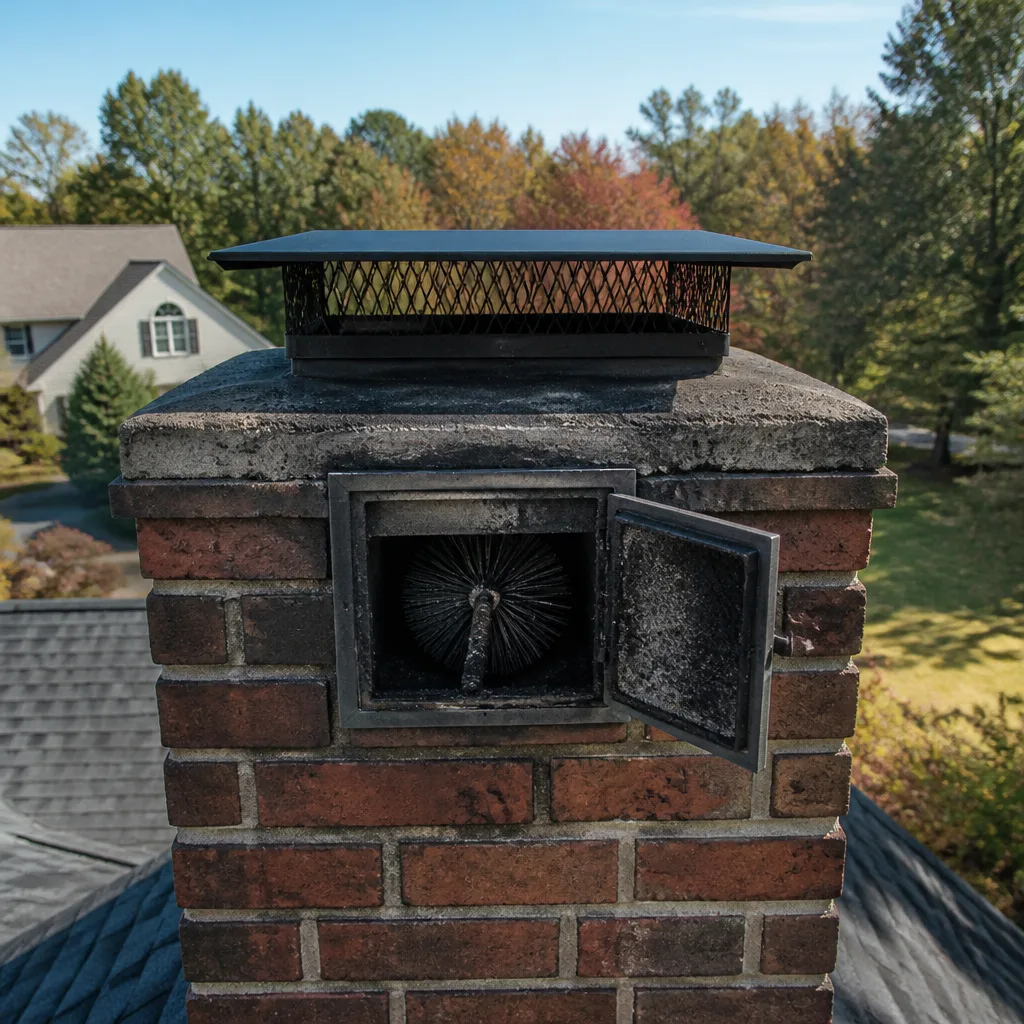 Sweep & inspection
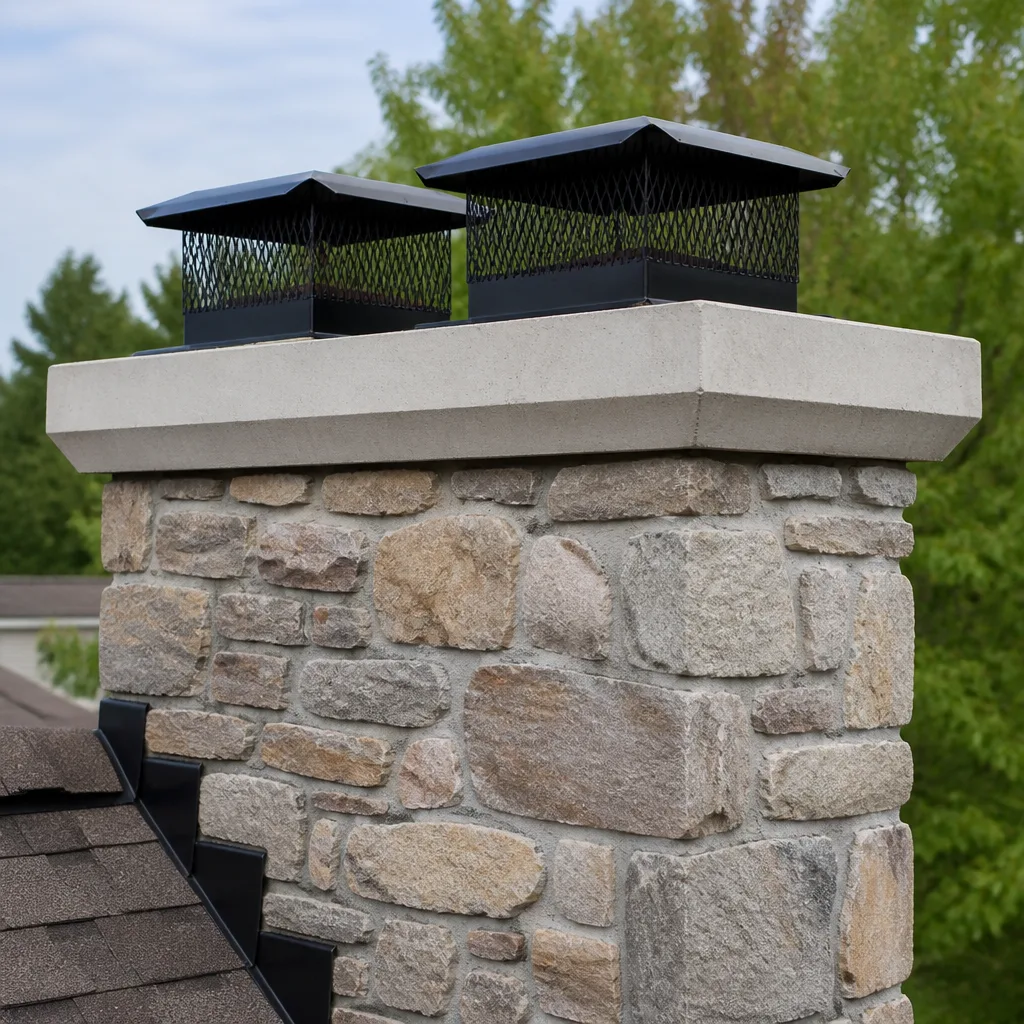 Caps & crowns
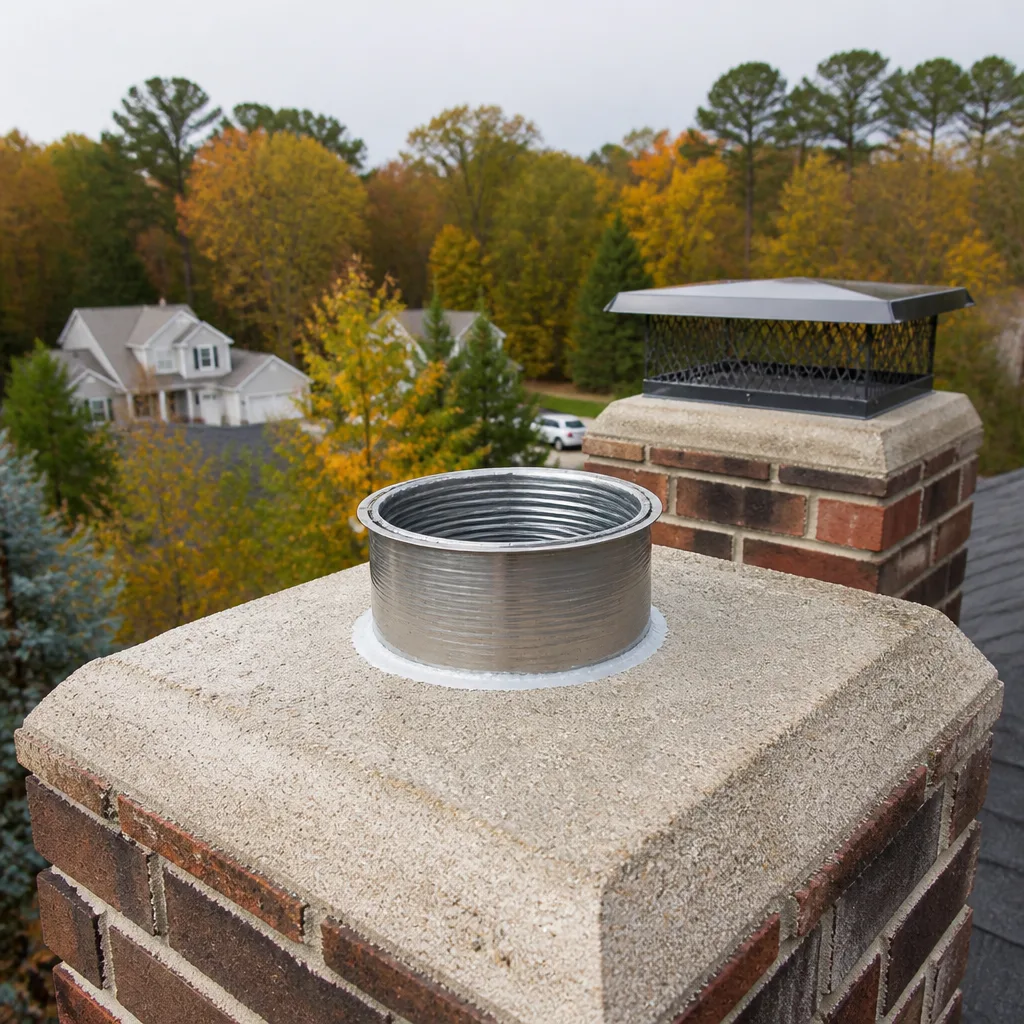 Flue relining
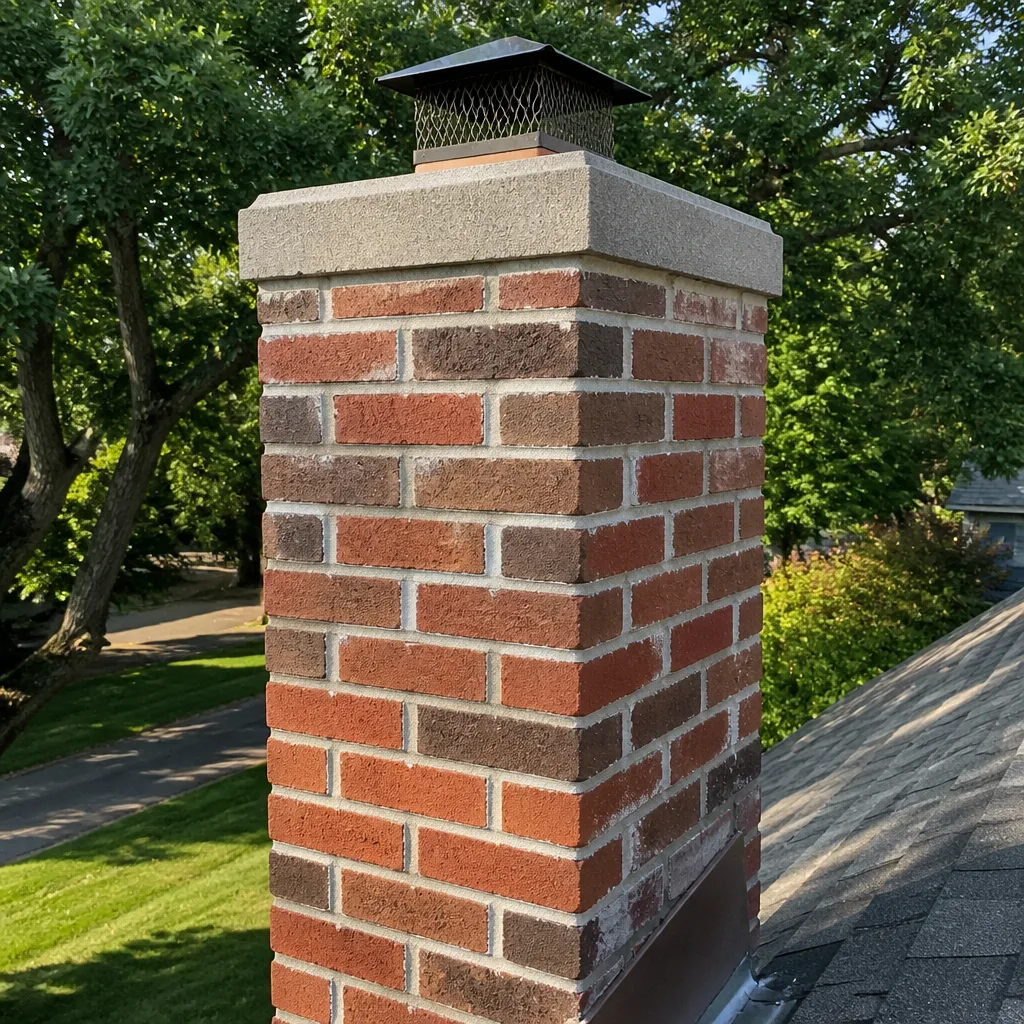 Masonry repair
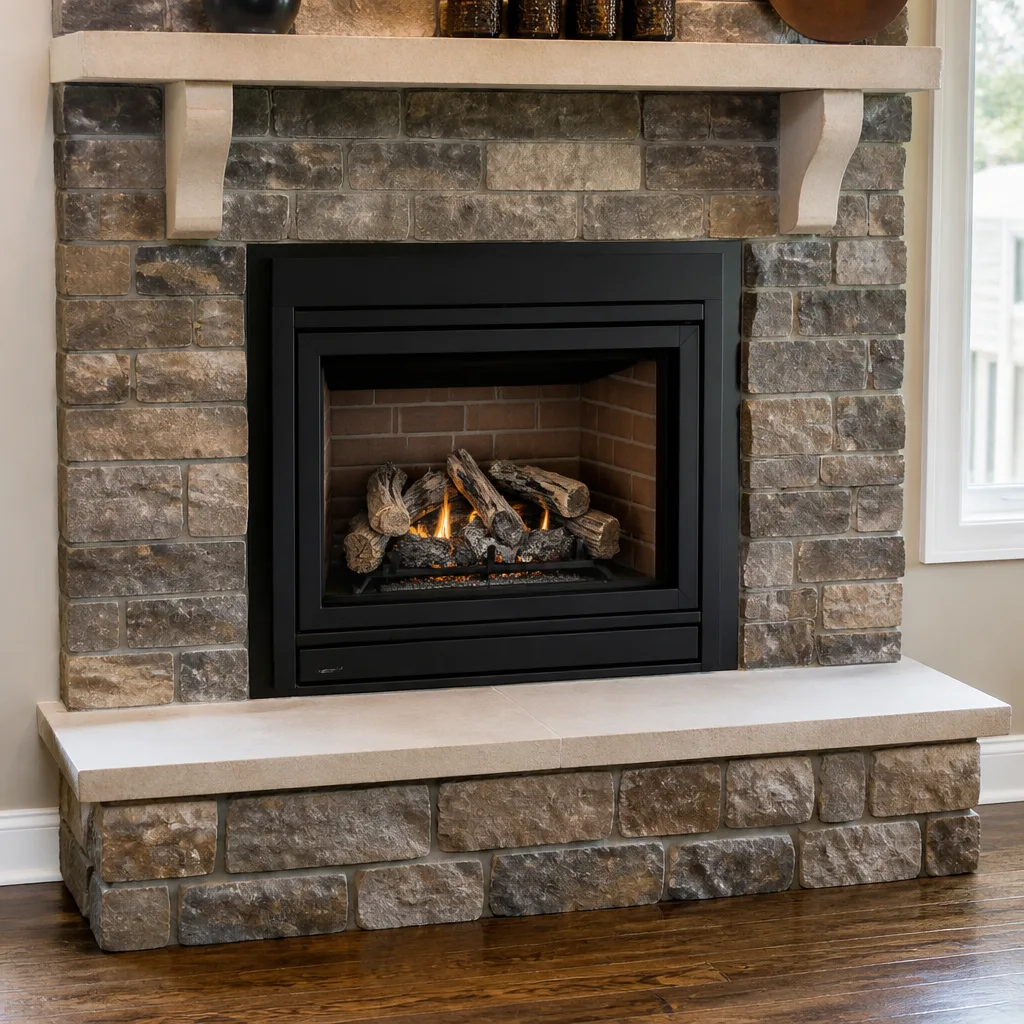 Gas fireplace service
Level 1 sweep and inspection to the NFPA 211 annual standard - flue, crown, cap, and flashing checked and photographed
Chimney sweep logs do not sweep chimneys. They loosen some creosote - which then falls where a brush and vacuum still have to collect it.
Chimney Sweep Maintenance Schedule: What to Do and When
Most national chimney maintenance guides are written for a house in Minnesota or Vermont, where a fireplace burns four months a year in cold, dry air and the biggest threat is creosote buildup. That’s not Beaumont. Here, most homeowners light the fireplace fewer than 20 times a season, and a mild, humid climate means the chimney’s real enemies are moisture, rust, and animals looking for a warm, dry place to nest. A low-use chimney in Southeast Texas can sit neglected for years and still fail, just in a different way than the guides warn about. This schedule is built around Beaumont’s actual conditions: what to check after summer humidity, what to do after a named storm, and how to separate the tasks you can handle yourself from the ones a professional needs to handle.
Quick Answer
In Beaumont, a chimney should be swept once a year and inspected at the same visit, even if you only burn a handful of fires. Homeowners should do a visual check of the cap, crown, and flashing after every named storm and before the first fall burn. Because winters here are mild and infrequent, moisture damage from summer humidity is usually a bigger risk than creosote, so the annual professional visit should include a look at the liner and exterior masonry, not just a sweep. If your chimney is used lightly, a Level 1 inspection covers most years; a Level 2 inspection is appropriate after a storm, a repair, or any change to the system.
Styles & brands we work with
- Sweep & inspection
- Caps & crowns
- Flue relining
- Masonry repair
- Gas fireplace service
Table of Contents
- Why a Beaumont Chimney Needs Its Own Schedule
- The Year-Round Maintenance Calendar
- The Pre-Season Checklist: What to Do Before the First Fall Burn
- Level 1, 2, and 3 Inspections: Which One You Need and When
- The Post-Storm Protocol for Gulf Coast Weather
- Why Low-Use Chimneys in Humid Climates Fail Faster
- The Month-by-Month Task Breakdown
- Common Mistakes to Avoid
Why a Beaumont Chimney Needs Its Own Schedule
Beaumont sits in a humid subtropical climate. That single fact reshapes the maintenance calendar almost completely. A chimney in a dry, cold climate faces one dominant problem: creosote accumulation from heavy, sustained burning. A chimney in Beaumont faces a rotating set of problems: moisture working on masonry and mortar joints through a long, humid summer, caps and flashings torn loose by tropical weather, and animals that treat an unused flue as prime real estate for months at a time. Each of those problems has a different window on the calendar.
Fireplace use in Beaumont is also genuinely light. Many homeowners here burn through the colder weeks of December, January, and February and then leave the chimney idle for nine months. An idle chimney in a humid climate is not a safe chimney by default. It’s a structure slowly absorbing moisture, with a flue that gets visited by squirrels, birds, and wasps. Creosote is still present from whatever fires were lit, and it still needs to be removed before the next season.
That’s why the schedule in this guide differs from a generic four-season template. The professional visit happens once a year, but it happens in early fall, before the first burn, not in the middle of winter. The homeowner checks happen after storms and at the start of summer, when the humidity is highest and the crown and flashing are most exposed. Getting this timing right is the difference between a chimney that lasts and one that slowly decomposes between seasons.
When we work with homeowners across Beaumont, the most common finding is not a creosote problem. It’s water getting into a masonry chimney through a failed crown or a missing cap, and nobody noticed because the fireplace wasn’t in use. A proper chimney sweep visit catches that early, but only if it happens at the right time of year.
The Year-Round Maintenance Calendar
The schedule below splits into two tracks. Homeowner-visible tasks are things you can check yourself with your eyes and a pair of binoculars. Professional service intervals require a trained technician with the right camera and equipment. Keeping the two separate is the point; it stops you from skipping the professional visit because you did the visual check, and it stops you from attempting work that belongs in a professional’s hands.
- Early fall (September – October): Annual professional sweep and Level 1 inspection. This is the single most important date on the calendar.
- Late fall (November): First burn of the season. Homeowner checks: damper operation, firebox condition, smoke draw.
- Winter (December – February): Burn season. Homeowner checks after every few fires: creosote buildup on the flue walls visible above the damper, ash buildup in the firebox.
- Early spring (March): Final burn. Schedule any repairs recommended after the fall inspection before summer humidity sets in.
- Late spring (April – May): Homeowner exterior check. Crown, cap, flashing, and masonry joints. This is when moisture begins to work.
- Summer (June – August): Idle season. Homeowner checks for animal intrusion and rust on the damper. Professional repair work, if needed, is best done in this window.
- Hurricane season (June 1 – November 30): After any named storm, exterior post-storm inspection. Call for a Level 2 if anything looks displaced.
Two professional visits a year isn’t necessary for most Beaumont homes. One sweep-and-inspect in the fall, plus an extra inspection after a named storm if there’s visible damage, covers the vast majority of systems. Homeowners who burn more regularly, or who have a wood-burning insert, may need an additional sweep mid-season.
The Pre-Season Checklist: What to Do Before the First Fall Burn
The pre-season window in Beaumont runs from late September to early November. It’s the best time of year to have the chimney looked at, because the summer humidity has finished its work and you’re about to start using the system again. Here’s what to do, in order.
- Schedule the professional sweep and inspection in early fall. Before the first fire, not after. A chimney that was swept last year still needs a fresh inspection because the system has been through a full humid summer and, in most years, at least one named storm.
- Check the cap and spark arrestor. Look up at the top of the chimney from the ground. A missing or damaged cap lets rain, animals, and debris straight into the flue. Gelco and Famco cap products are designed to weatherproof a chimney top for years, which is why we use them on installations.
- Check the crown for cracks. The crown is the concrete or mortar cap at the very top of a masonry chimney. Hairline cracks widen with every wet-dry cycle through summer. If you can see cracks from the ground, they need a professional look.
- Check the flashing where the chimney meets the roof. Flashing is the metal seal between chimney and roof. Lifted, rusted, or missing flashing is one of the most common causes of water intrusion in Beaumont homes.
- Look for animal activity. Birds, squirrels, and wasps use the flue as a shelter when the fireplace is idle. A visible nest at the top of the chimney or debris falling into the firebox is a sign to call before you burn.
- Test the damper. Open and close it fully. It should move smoothly and seal. A stuck or rusted damper is common after a humid summer.
- Check the firebox and hearth. Look for cracked firebrick, loose mortar joints, or debris on the hearth. Cracks in the firebox are a safety issue; don’t burn until they’re checked.
- Do a smoke draw test. Light a small piece of newspaper in the firebox with the damper open. Smoke should rise cleanly up the flue. Backdraft or smoke curling back into the room points to a blockage or a pressure issue.
The pre-season check is not a substitute for the professional visit. It’s a supplement, and its real value is that it flags issues you can raise with the technician before the sweep begins, so nothing gets missed. It also means you’re not discovering a problem on the night of your first fire, when the fix isn’t quick.
Level 1, 2, and 3 Inspections: Which One You Need and When
The three inspection levels are a standard framework in the chimney trade, and the difference between them is scope, not quality. Each is the right choice at a different maintenance interval.
- Level 1 inspection: A visual check of all readily accessible portions of the chimney and connected appliance, with the sweep. It covers the firebox, damper, flue, and chimney exterior as visible. A Level 1 is appropriate once a year when the system is unchanged since the last inspection and there are no problems reported.
- Level 2 inspection: A Level 1 plus a more thorough look at accessible areas, typically with a camera inspection of the flue interior. Appropriate after any change to the system: a new appliance, a change in fuel type, a chimney fire, a repair, a transfer of ownership, or a weather event that may have damaged the exterior.
- Level 3 inspection: The most detailed. Involves accessing concealed areas of the chimney, which may mean removing parts of the chimney or building. Reserved for cases where a serious hazard is suspected and a Level 2 didn’t settle it.
For most Beaumont homes, the annual visit is a Level 1 with the sweep, upgraded to a Level 2 whenever there’s a specific reason. A named storm that passes through the area, a change from wood to gas, or a chimney fire (even a small one) usually means a Level 2. When we offer an inspection as a standalone service, it’s so the assessment is honest and separate from any repair work; a Level 2 that turns up a failing liner is a diagnosis, not an automatic upsell. If a liner is deteriorating, HeatShield resurfacing or a DuraFlex reline may be the right fix, but the inspection should be able to say that before either is quoted.
The Post-Storm Protocol for Gulf Coast Weather
Hurricane season runs June 1 through November 30, and Beaumont sees the effects of it most years. The chimney is one of the most exposed parts of the exterior, and the components most likely to fail from a named storm are the crown, cap, flashing, and exterior masonry. Here’s what to check after any significant weather event, in order.
- Look up before you go inside. From the ground, inspect the visible top of the chimney. A cap that’s missing or tilted, a crown that’s cracked or visibly shifted, or masonry that’s crumbled at the top is a clear sign of storm damage.
- Check the flashing at the roof line. Lifted, torn, or missing flashing means water will get into the roof deck on the next rain.
- Look for debris in the flue. Wind-driven leaves, small branches, and animal nest material often end up in a flue after a storm. If the fireplace won’t draw or smoke backs up the first time you light it, this is a likely cause.
- Check the surrounding masonry for cracks. A storm can open cracks in the mortar joints that were only hairline before. Look for mortar crumbs on the roof or ground beside the chimney.
- Call for a Level 2 inspection if anything is visibly wrong. A post-storm inspection is not the time for a quick glance from the ground. If anything looks displaced or missing, a technician needs to be on the roof to see it properly.
Post-storm inspections don’t replace the annual fall visit, but they often precede it, and the findings can change what the fall visit needs to include. Damaged flashing or a broken crown that’s caught in September is a repair before winter rain. Caught in November, it’s a scramble.
Why Low-Use Chimneys in Humid Climates Fail Faster
There’s a false comfort in the idea that if you didn’t use the fireplace much last year, the chimney must be fine. In Beaumont, the opposite is often closer to the truth. A chimney that sits idle through a humid summer has nine months of exposure to moisture, insects, and animals without the small regular hot fires that would dry it out and keep it moving air.
Here’s what happens to a low-use chimney in a humid climate.
- Moisture damage: Masonry and mortar joints absorb moisture through humid air and rain. The freeze-thaw cycle doesn’t apply here, but the wet-dry cycle does, and it opens and closes microcracks in the crown and mortar joints through the year.
- Animal intrusion: An idle flue is a dry, sheltered space. Birds, squirrels, and wasps move in and stay until burned out. Nests block airflow and can be a fire risk.
- Rust and stuck dampers: Metal components, including the damper, corrode in high humidity. A damper that won’t open smoothly is common after a summer idle.
- Creosote still present: The fires you did light last winter left creosote on the flue walls. It doesn’t go away during summer. It sits, absorbs moisture, and glazes, which makes it harder to remove on the next sweep.
- Reduced airflow: Idle flues accumulate debris and, in older chimneys, spalling liner material. Airflow drops, smoke draw worsens, and the first fire of the season backs up.
That’s why the annual visit matters even for a chimney used 15 times last year. The problem is usually not what burning did, but what sitting did. An Olympia Chimney liner in good condition will hold up for a long time in this climate, but it still needs a camera inspection once a year to confirm it’s still sound.
The Month-by-Month Task Breakdown
Here’s the schedule condensed into a single month-by-month list. The homeowner tasks (marked HO) are visual checks anyone can do. The professional tasks (PRO) need a technician.
- January (HO): Mid-season visual check above the damper for creosote buildup. Empty ash from the firebox when the ash pan is full.
- February (HO): Last heavy-use month. Note any smoke draw issues for the fall appointment.
- March (HO/PRO): Final burn. Schedule any repair the fall inspection recommended for early summer.
- April (HO): Exterior check: crown, cap, flashing, masonry joints. Photograph anything that looks cracked or lifted.
- May (PRO): Best window for repair work. Crown repair, flashing replacement, liner resurfacing with HeatShield if the fall inspection recommended it.
- June (HO): Hurricane season opens. Check the cap and flashing before the first forecast storm of the season.
- July (HO): Check for animal activity around the cap and inside the firebox. Rusted damper? Try to open and close it; if it sticks, add it to the fall list.
- August (PRO): Post-storm Level 2 inspection if a named storm has passed through Beaumont this season.
- September (PRO): Annual sweep and Level 1 inspection. This is the anchor visit.
- October (HO): First burn. Confirm damper operation, smoke draw, and firebox condition.
- November (HO): Early burn season. Watch for smoke backdraft in the first few fires.
- December (HO): Peak burn season. Rely on the fall inspection; no professional visit needed unless you see a specific problem.
Two visits to the calendar matter most. The September sweep-and-inspect, and the post-storm call if Beaumont gets hit this year. Everything else is small checks that take a few minutes from the ground.
Common Mistakes to Avoid
- Assuming low use means no maintenance. A chimney that burned 12 fires last year still needs an annual visit. The moisture and animal problems in a Beaumont chimney come from sitting, not from burning.
- Skipping the post-storm check. Every hurricane season brings the possibility of damage to the crown, cap, or flashing. Those components fail silently and let water into the roof deck long after the storm has passed.
- Burning before the fall inspection. The first fire of the season should follow the inspection, not precede it. If the flue has debris, a nest, or a failed liner, your first burn is the wrong time to find out.
- Waiting until December to book. By the time the weather turns, everyone is trying to book a sweep. Getting the appointment in September is the difference between a clean sweep and a rushed one.
- Treating an inspection as an upsell. A Level 1 inspection is a routine check, not a sales call. If a quote for major repair follows, ask for the camera evidence. Any honest inspection can show you what’s in the flue.
- Letting a handyman “clean” the chimney. A generalist crew without proper equipment rarely removes glazed creosote, and they often skip the inspection. The work should be done by someone whose entire trade is chimney systems.
- Ignoring a stuck damper. A damper that won’t open fully reduces draw and can send smoke into the room. It’s usually an easy fix and usually a sign the chimney needs the fall visit.
Each of these mistakes falls under the same root problem: treating the chimney as a one-time concern rather than a system that needs a schedule. The fix is the schedule itself, kept every year. For a full-service approach that covers the sweep and any chimney repair that turns up, one team can handle both. Our technicians have up to experience, and we work with professional-grade materials from brands chimney specialists trust, including DuraFlex, HeatShield, Olympia Chimney, Famco, and Copperfield.
See the difference
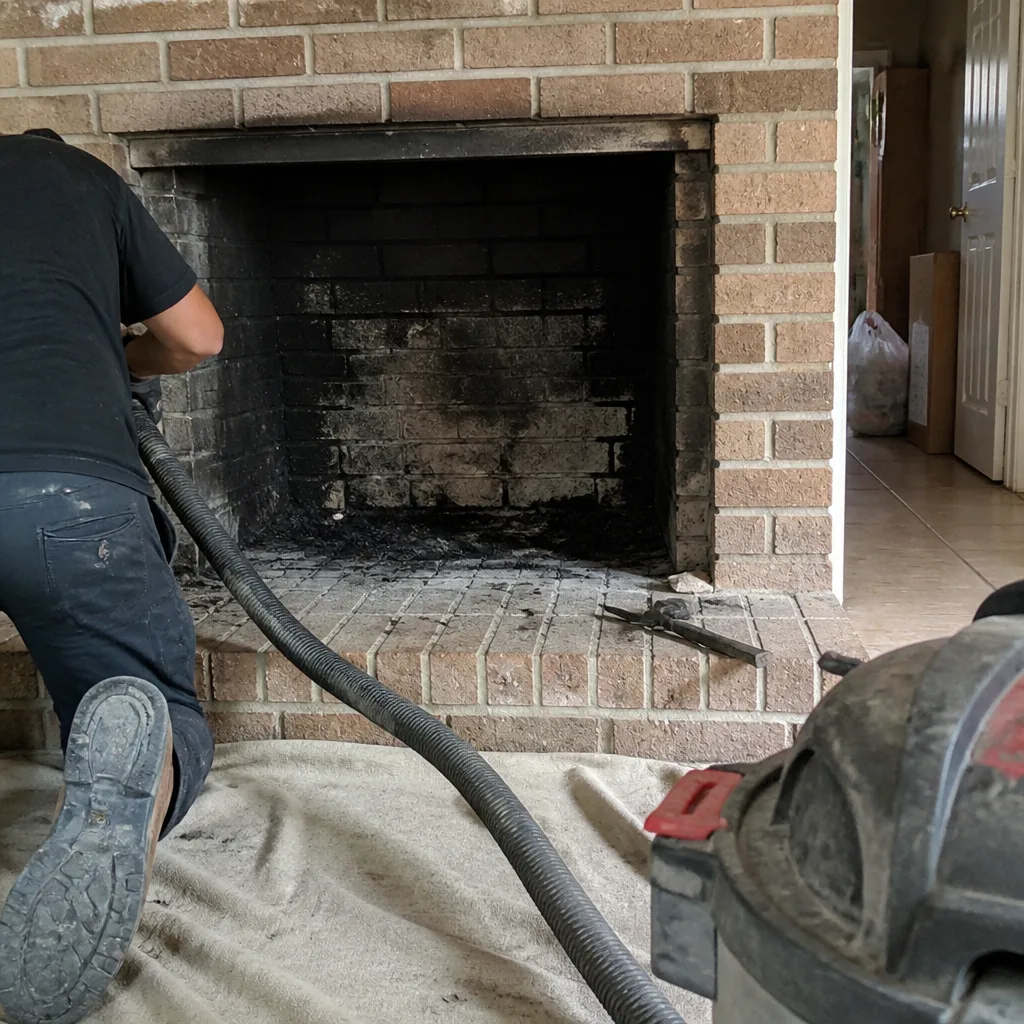 Before
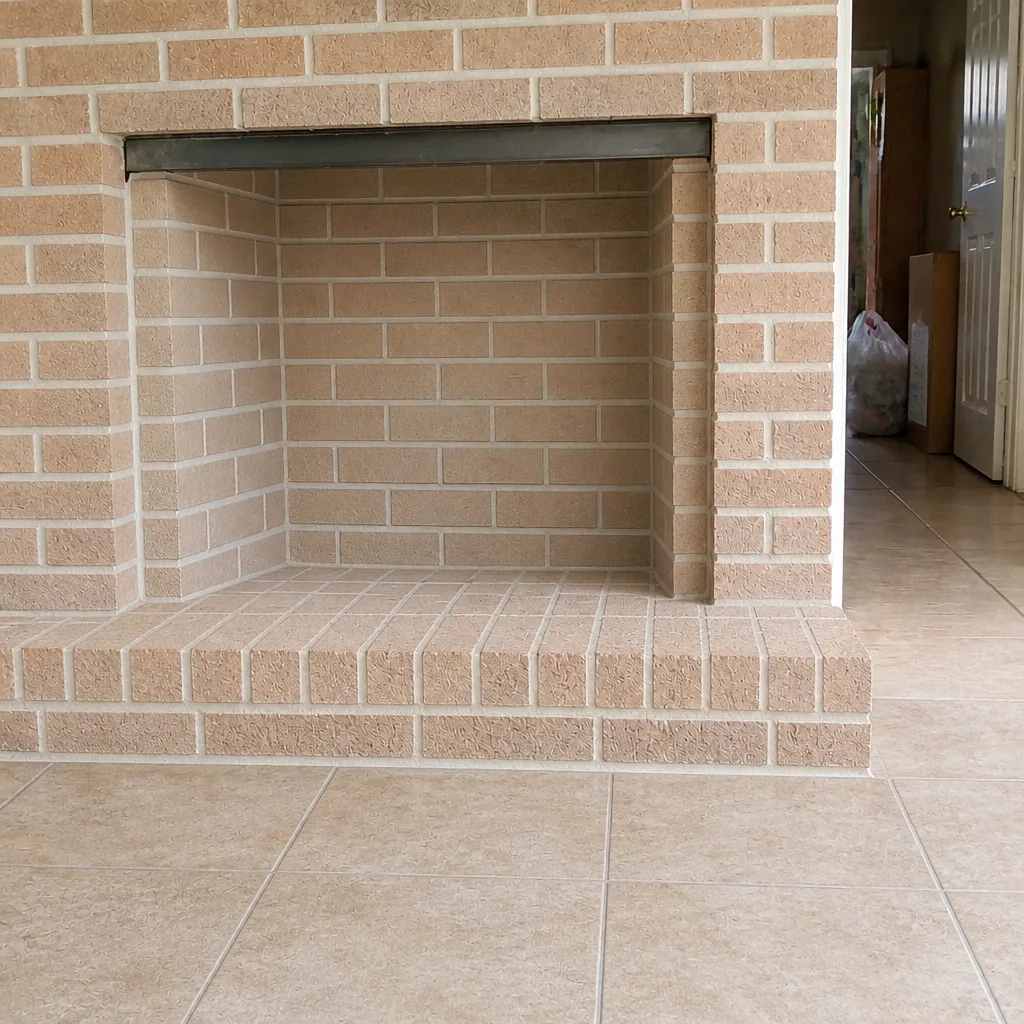 After
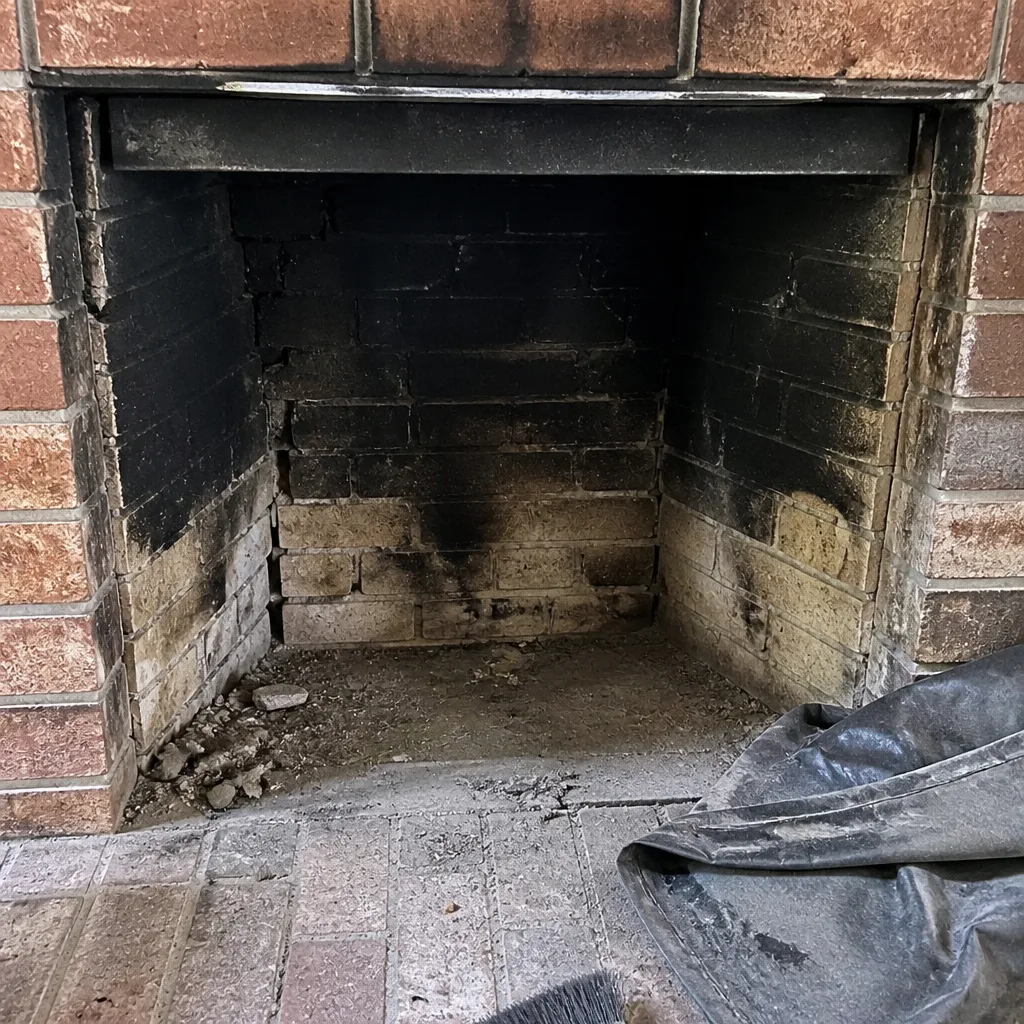 Before
 After
 Before
 After
When to Call a Professional
Call for the annual sweep and inspection in early fall, before the first burn of the season. That’s the anchor appointment. Beyond that, a few specific situations call for a professional visit sooner.
Call right away if there’s visible damage to the cap, crown, or flashing, especially after a named storm; if the fireplace smokes back into the room on first use; if you see creosote glaze on the flue walls; if the firebox has cracked firebrick or loose mortar; or if you haven’t used the chimney in a year or more and are unsure of its condition. In each case, the assessment comes first and the recommendation follows the evidence.
Chimney Sweep Beaumont offers free estimates in Beaumont. A proper chimney repair plan is written after the inspection, not before, and the camera inspection should show you exactly what’s there before any work is quoted. Call (833) 946-8798. We answer 24/7. Fast dispatch from 7am to 7pm, Sunday through Friday.
Frequently Asked Questions
Once a year, even if you only burn a few times per season. Beaumont’s humidity creates moisture and animal-intrusion problems that build up during the idle months, so the annual sweep-and-inspect catches issues that a low-use pattern alone would miss. Call (833) 946-8798 to book the fall appointment.
Yes. In Beaumont, the case for the annual inspection is strongest exactly in low-use chimneys, because the flue has spent most of the year idle, humid, and accessible to animals. The inspection is the check on the 11 months you didn’t burn. Call (833) 946-8798 for a free estimate.
A Level 1 is a visual check of accessible parts, done with the annual sweep. A Level 2 adds a camera inspection of the flue and is appropriate after a change, a storm, or a repair. A Level 3 accesses concealed parts of the chimney and is reserved for serious suspected hazards. Most annual visits in Beaumont are a Level 1. Call (833) 946-8798 if you’re not sure which you need.
Check the crown, cap, flashing, and visible exterior masonry from the ground, and call if anything looks displaced, cracked, or missing. Debris in the flue after a storm is common and shows up as smoke backdraft on the first burn. A post-storm Level 2 inspection confirms the system is sound before the season. Call (833) 946-8798 for a free estimate.
No. Gas appliances still need an annual inspection and cleaning of the flue and venting, because moisture, corrosion, and debris are still present, and the flue still needs to vent correctly. A gas fireplace doesn’t build creosote the way wood does, but the rest of the maintenance schedule applies. Call (833) 946-8798 to book.
Summer. Repair work on the crown, flashing, or liner is best done between March and August, when the chimney is idle and Beaumont’s humidity isn’t yet working on any damage. A repair finished before hurricane season also means less chance of a fresh problem the next time a storm comes through. Call (833) 946-8798 for a free estimate.
The Bottom Line
A Beaumont chimney schedule is built around the climate here, not a national template. One professional sweep and inspection in early fall, a homeowner exterior check before each storm season, a post-storm inspection if a named storm passes through, and a handful of small checks through the year. The professional visit does the heavy lifting on the flue; the homeowner checks catch the crown, cap, and flashing problems that come from the weather. Keep the calendar and the system will hold up for a long time. Skip it and the failures show up in slow, expensive ways, usually in the wrong season.
Chimney Sweep Beaumont works exclusively on chimney systems: sweeping, repair, and inspection, with the right product for each job. If this year’s schedule is overdue, now is the time to book. Call (833) 946-8798 for a free estimate. We answer 24/7. Fast dispatch from 7am to 7pm, Sunday through Friday.
For more on what a full service visit covers, our Chimney Sweep Beaumont team is the place to start.
Written by the team at Chimney Sweep Beaumont.