
Last updated November 15, 2026
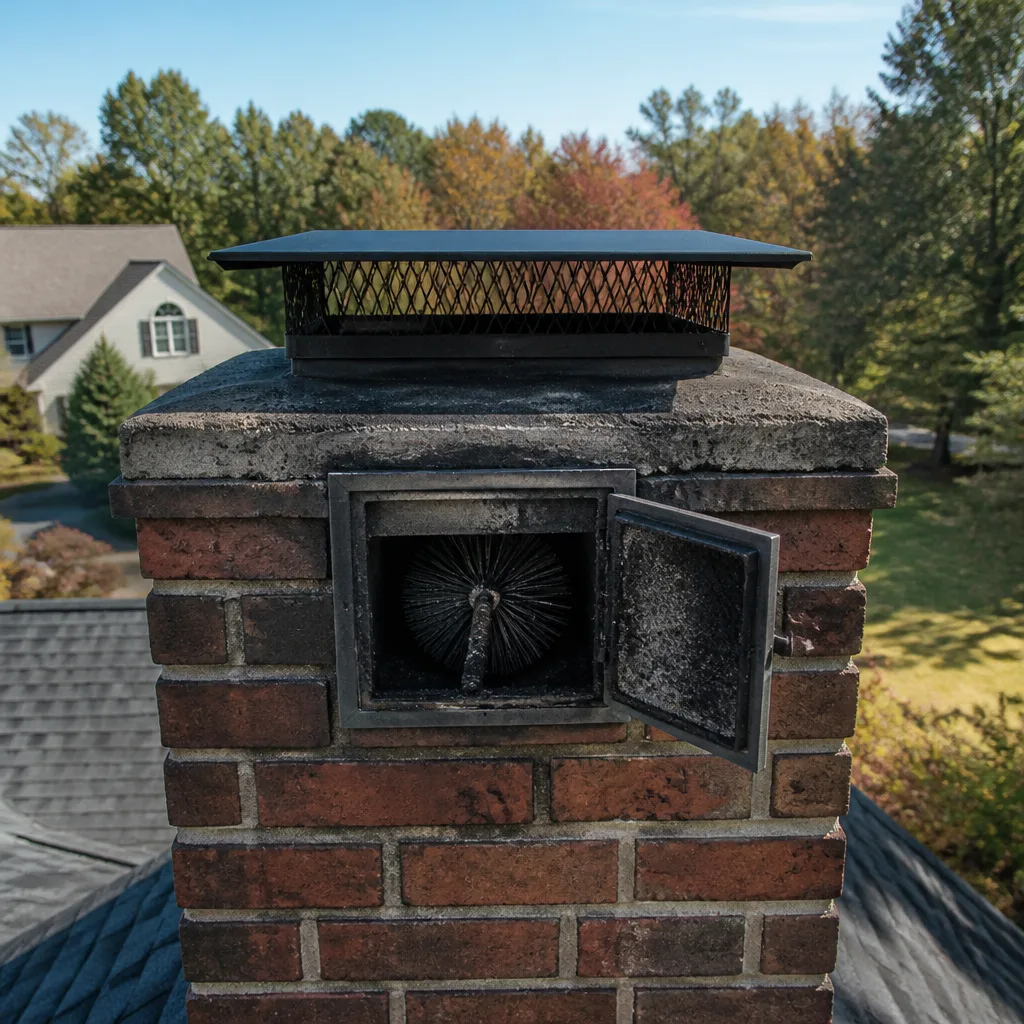 Sweep & inspection
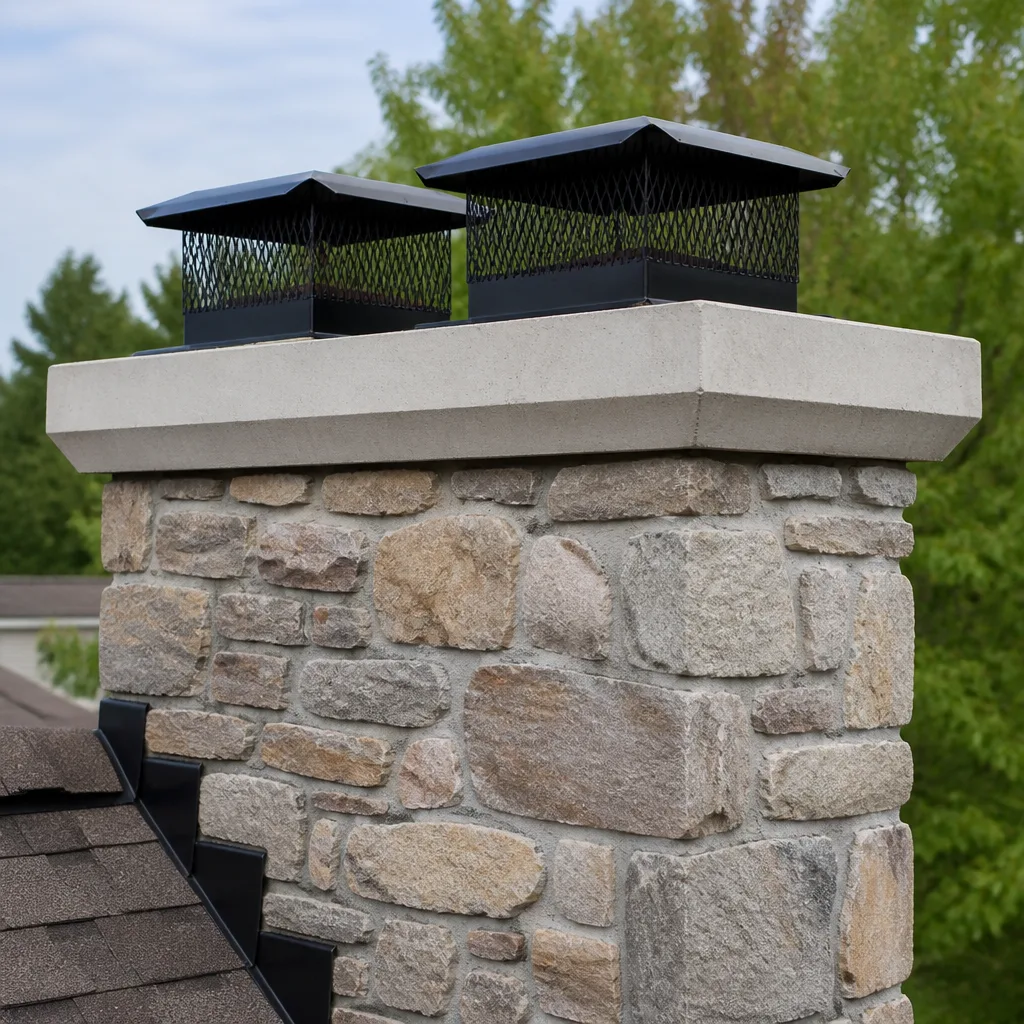 Caps & crowns
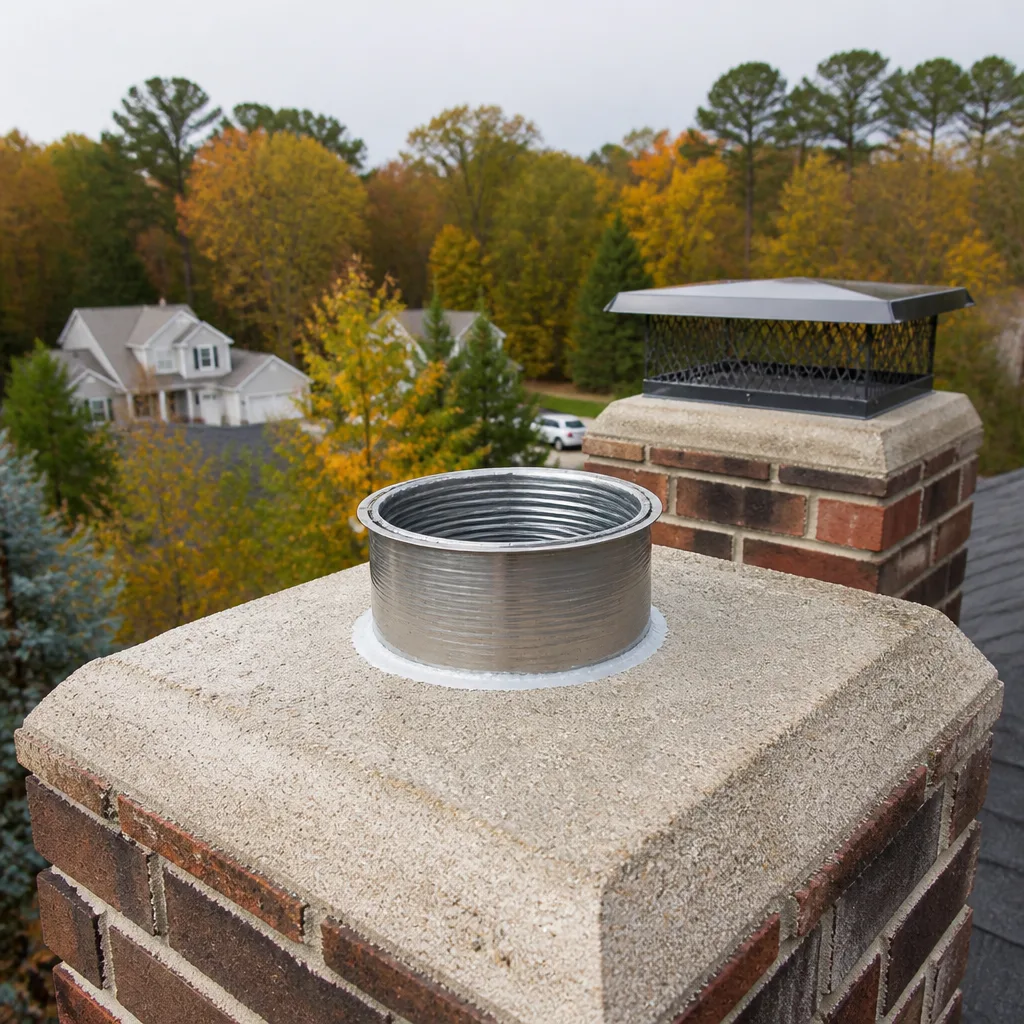 Flue relining
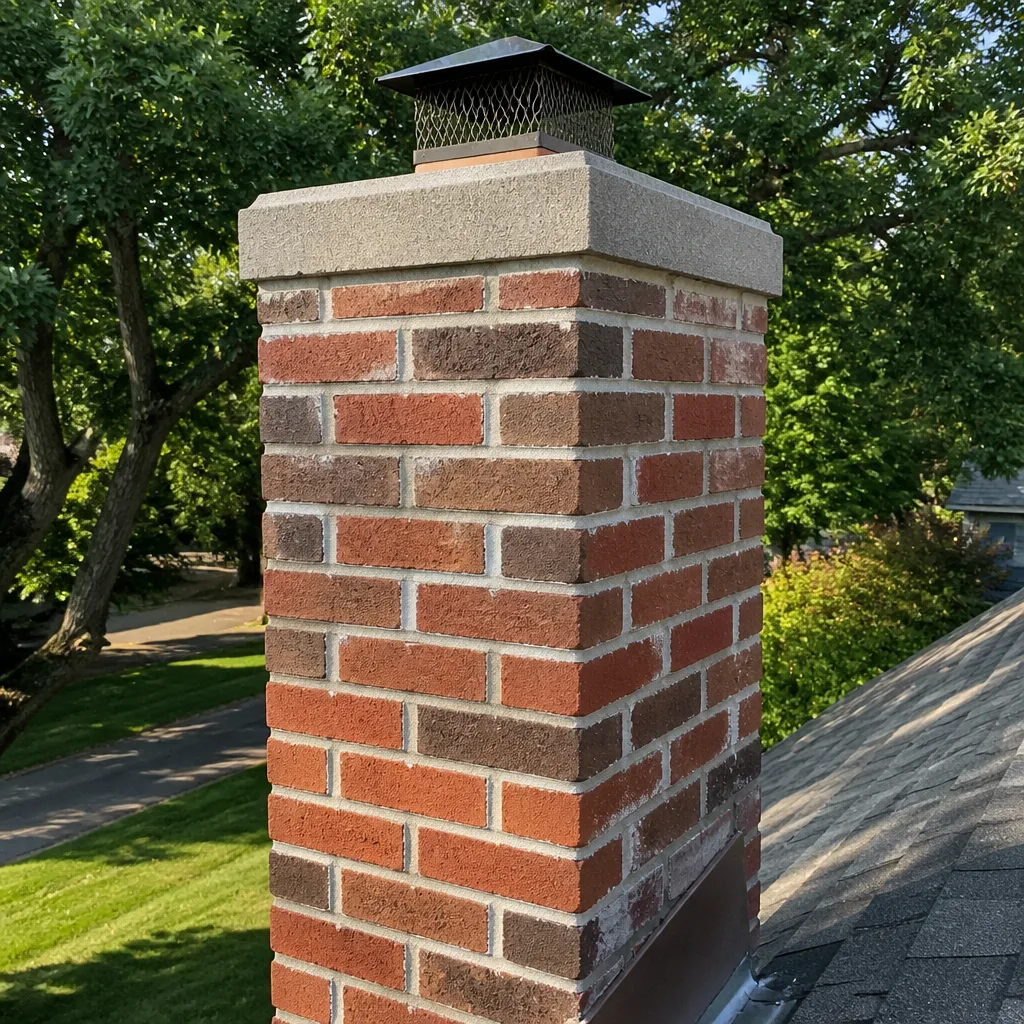 Masonry repair
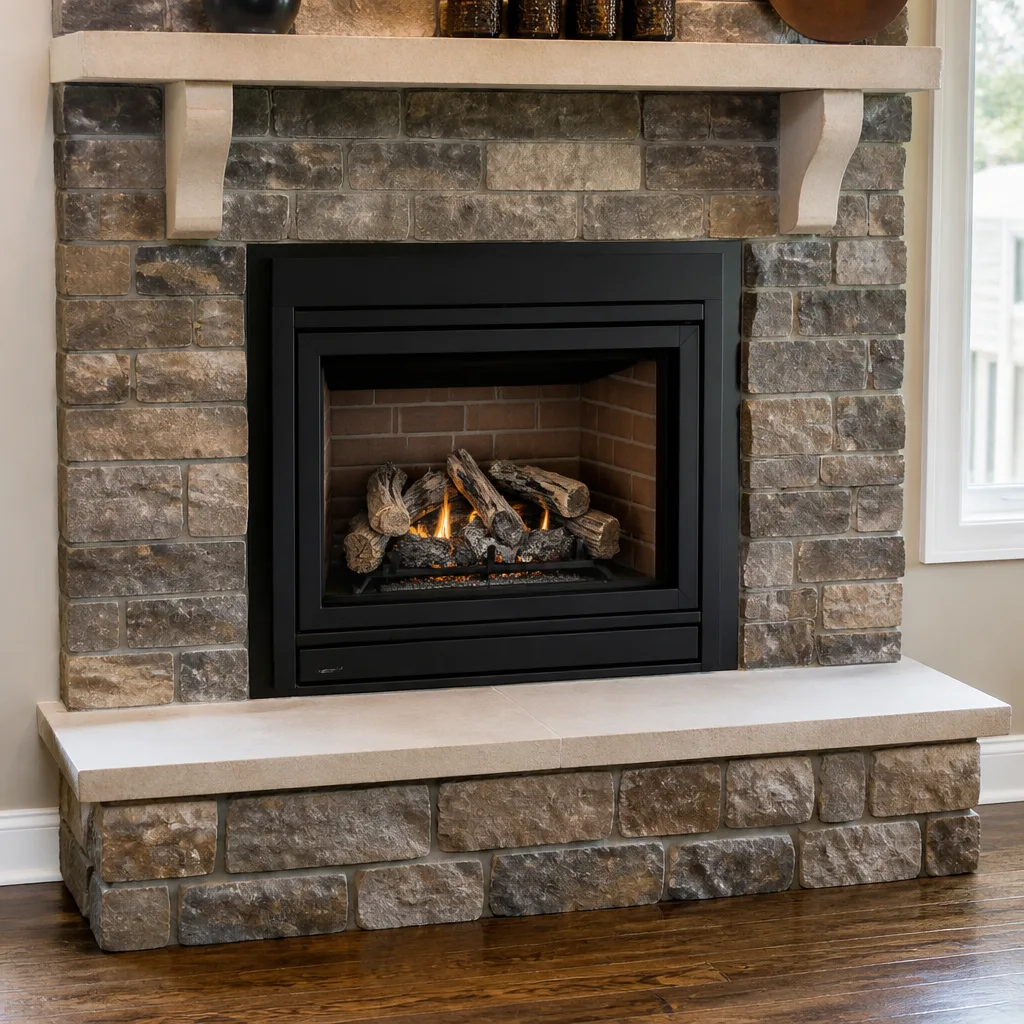 Gas fireplace service
Level 1 sweep and inspection to the NFPA 211 annual standard - flue, crown, cap, and flashing checked and photographed
Chimney sweep logs do not sweep chimneys. They loosen some creosote - which then falls where a brush and vacuum still have to collect it.
How to Hire a Chimney Cleaning Contractor in Beaumont: A Step-by-Step Guide
Here’s the part most homeowners never hear: Texas doesn’t require a license specifically to clean chimneys. That means the person quoting you $79 and the person quoting you $250 can both legally call themselves chimney professionals, and nothing on paper separates them until you start asking the right questions. The gap between a certified specialist and a handyman with a brush set shows up in two places: safety and liability. This guide gives you the exact questions to ask before anyone goes on your roof in Beaumont, how to verify credentials, what a real written report looks like, and the red flags that should end the conversation early.
Quick Answer
To hire a chimney cleaning contractor in Beaumont, verify their certification through a recognized body like the CSIA, confirm they carry liability insurance, ask which professional-grade brands they use for repairs, and insist on a written inspection report and itemized invoice before any work begins. A legitimate sweep includes a visual inspection, tells you plainly what’s fine and what isn’t, and never pushes repairs you didn’t ask about. If a contractor can’t answer those four points clearly, keep calling.
Styles & brands we work with
- Sweep & inspection
- Caps & crowns
- Flue relining
- Masonry repair
- Gas fireplace service
Table of Contents
- Why Texas Has No Chimney License (and What Fills the Gap)
- What CSIA Certification Actually Means
- The Five Questions to Ask Before You Hire
- Red Flags Specific to Low-Bid Outfits
- Why the Brands They Use Matter
- What a Legitimate Invoice and Service Agreement Should Include
- Beaumont-Specific Hiring Considerations
- A Step-by-Step Hiring Walkthrough
Why Texas Has No Chimney License (and What Fills the Gap)
Beaumont sits in a state with no chimney-specific licensing requirement. General contractor rules don’t cover chimney sweeping either. That’s not unique to Texas, but it matters here because the Beaumont market for chimney work is wide open: you’ll find full-service specialists, general handymen who add a brush to their truck, and seasonal operations that appear before the first cold snap. All three can advertise the same way.
What fills the gap is voluntary certification and private accountability. The Chimney Safety Institute of America (CSIA) is the certifying body most often referenced in the trade, and its credential is earned through examination and continuing education. A technician who holds it has chosen to be held to a standard rather than a legal minimum. Some contractors also carry membership in the National Chimney Sweep Guild, which signals a similar voluntary commitment.
Here’s the practical takeaway for a Beaumont homeowner: since the state isn’t vetting anyone, the vetting is entirely yours. That’s why the rest of this guide focuses on the specific checks you can run yourself. Certification, insurance, and written scope of work replace a license requirement Texas never created. Take any of those three out of the equation and you’re relying on trust alone, which is a thin foundation for a system that carries fire and carbon monoxide out of your house.
That’s also why it pays to know which contractor is genuinely full-service. Sweeping, repair, and inspection are three different skill sets, and a provider who handles only one will hand you off when a problem turns up. If you want to understand what a proper annual visit includes before you start calling around, spend a few minutes on our chimney sweep page first. Knowing what’s included makes it easy to spot a contractor who’s leaving steps out.
What CSIA Certification Actually Means (and How to Verify It)
CSIA certification means an individual technician has passed a written exam on chimney and venting fundamentals, code knowledge, and job-site safety, and is required to recertify on a set cycle. It applies to the person, not the company. A business that advertises “CSIA certified” should be able to tell you which of their technicians holds the credential and show you a certificate number.
Verifying it takes about five minutes:
- Ask for the technician’s name and CSIA certification number when you call.
- Look them up on the CSIA database on the CSIA website, which lists certified sweeps by name and location.
- Confirm the certification is currently active, not expired or lapsed.
- Ask whether the person performing the sweep is the certified one, or whether certification sits with someone who won’t be on your roof.
- Ask whether the technician has continuing education in liner and venting systems, since that’s where most serious problems hide.
The certificate number is the piece most homeowners skip. A badge on a website proves nothing. A database entry you looked up yourself proves something.
Certification also predicts how the job is done. A certified technician works to a standard inspection level, documents what they see, and treats the flue, the firebox, the cap, and the venting as one connected system rather than a pipe that needs a brush run through it. In our experience, that systems view is what separates a contractor who can diagnose a problem from one who can only clean around it. Our technicians have up to 14 years of experience and work under that same standard. Beaumont homeowners who’ve had a bad first experience tend to remember the difference clearly.
The Five Questions to Ask Before You Hire
Ask these five questions on the phone, before booking. The answers tell you almost everything.
- Is an inspection included in the sweep? A sweep should include at least a basic visual inspection of what’s accessible, with a note on anything that needs a closer look. If inspection costs extra and isn’t mentioned until they’re on the roof, that’s a warning.
- Which brands do you use for repairs and relining? A professional will name specific products: DuraFlex flexible liners, HeatShield liner resurfacing, Famco caps, Copperfield components. A vague answer like “we use whatever’s rated” tells you the materials are being chosen by price, not by fitness for the system.
- What will you document for me? Ask whether you get a written report with photos of the flue interior. Photo documentation is the difference between advice and evidence. Without it, you’re being asked to take someone’s word on work you can’t see.
- Are you insured? Can I see the certificate? Ask for liability insurance specifically, and ask for proof, not a yes. If anything gets damaged on your roof or in your home, insurance is what makes it right.
- What happens if you find damage? The good answer is that you get a report of what was found, the options for fixing it, and the choice of whether to proceed. The bad answer is a same-day quote for a reline the sweep “just discovered.”
Write the answers down. Comparing five contractors on identical questions is far more useful than comparing five different conversations. If the person on the phone can’t answer a question about their own materials or documentation, assume the crew on the roof won’t either.
Red Flags Specific to Low-Bid Outfits
Chimney work has a particular vulnerability: the customer can’t see the part of the job that matters most. The flue is dirty, dark, and mostly inaccessible to your eyes. Bad actors count on that.
- Vague scope of work. “We’ll do a full cleaning” with no mention of inspection, no mention of the flue liner condition, no mention of what’s included. When the scope is fuzzy, extra charges appear on the roof.
- No written report. If you get a verbal summary and nothing else, you have no record, no evidence, and nothing to compare against next year.
- Cash-only pricing. Beyond the tax question, cash-only eliminates any dispute trail. A serious contractor takes a card or a check and gives you a receipt.
- Off-brand or hardware-store materials. Generic sealants, stock-size caps, and unbranded liners fail faster and fit worse. Professional-grade products from DuraFlex, HeatShield, Gelco, Olympia Chimney, Famco, or Copperfield are engineered for chimney systems specifically.
- Price quoted before anyone looked. A cleaning price on the phone is fine. A reline price quoted before the flue has been inspected is a number with no information behind it.
- Pressure to decide on the spot. Any contractor who says the price goes up if you don’t sign today is selling fear, not service.
The pattern behind all of these is the same: the work happens where you can’t watch. Reputable contractors know this and over-communicate. Reputable ones also don’t mind a second opinion. A chimney repair decision shouldn’t feel like a hostage negotiation, and in Beaumont you have enough contractors to walk away and call the next one.
Why the Brands They Use Matter
Materials are where the difference between a specialist and a generalist shows up in your walls years later. Hardware-store cap? It rusts out, its screen goes brittle, and the mounting hardware strips. Generic liner sealant? It cracks at the joints where the heat is highest. A proper sweep contractor uses products designed for the specific stresses a chimney subjects them to.
- Brushes and cleaning tools. Sized to the flue, not to what’s on the shelf. The right poly or wire brush for masonry versus a metal flue is a small detail with a big effect on the surface it touches.
- Liner restoration and relining. HeatShield resurfaces a deteriorating flue liner without full replacement. DuraFlex flexible liners handle offset flu configurations and older flue shapes that rigid liners can’t follow.
- Caps and weatherproofing. Famco and Copperfield caps are built for long-term exposure. Gelco cap products signal a contractor thinking about the whole system, not just the visible sweep job.
Ask what they’d use on your chimney and why. A specialist will name a product and explain the reasoning. A generalist will name a store. If a repair is recommended, ask whether the material is rated for the temperatures and conditions your flue actually sees. That’s a question a professional answers easily and a low-bid operator can’t answer at all.
It also matters who’s doing the liner work. A liner is a precision system component, and the install has to fit the flue correctly to vent safely. For a closer look at what that work involves, our chimney repair page walks through how liners, caps, and masonry get addressed in a way designed to last. Beaumont’s humid summers and occasional cold snaps put real demands on those materials.
What a Legitimate Invoice and Service Agreement Should Include
The invoice is the simplest test in this entire guide. A professional contractor’s paperwork tells you exactly what was done, with what, on what date, by whom.
A legitimate chimney service invoice or agreement should include:
- Business name, address, and phone number from a real local entity, not a P.O. box in another state.
- The date of service and the address serviced.
- A written scope: swept, inspected, and any repairs performed, listed line by line.
- Materials and brands used, named specifically.
- Observations from the inspection, including what’s fine and what’s not.
- The condition of the flue and any recommendations, with a clear note of whether the work is urgent, needed, or safely deferred.
- The technician’s name and certification number if a certified technician did the work.
What its absence tells you: if you ask for a written estimate and get a text message, or ask for a report and get a verbal list of problems, the contractor is deliberately keeping the record vague. Vague records are how disputes end with two people remembering things differently. They’re also how a “problem” that appeared mid-job can’t be challenged later. If you can see the evidence, you can ask about it. If there’s no evidence, there’s nothing to ask. Our Beaumont page explains how we handle inspections as a standalone service so the assessment isn’t tied to a sales pitch.
Insist on a written estimate before any work begins and a written invoice after. The estimate should clearly state that the final price is set by those written terms, not by the phone call. If the number on the invoice doesn’t match the estimate, you should have a written explanation of why.
Beaumont-Specific Hiring Considerations
Beaumont is a humid, warm-climate market, and that shapes what needs doing. Chimneys here spend the summer months through long stretches of high humidity and heavy rainfall, which accelerates rust on caps and hardware and pushes moisture into masonry. You won’t see the kind of freeze-thaw damage common in colder parts of the country, but you will see moisture-driven deterioration if a cap fails or a crown cracks. When you’re hiring, ask specifically whether the contractor checks the cap, the crown, and the flashing around the roofline, not just the flue.
Demand is also seasonal. The first cold snap after a mild fall is when a lot of Beaumont homeowners realize the chimney hasn’t been touched in years, and that’s when the low-bid operators are busiest. Booking a sweep before burning season, rather than during it, means the technician has time to actually inspect the system and document what they find. It also means you won’t be rushed.
Finally, the housing stock matters. Older homes in and around Beaumont often have original masonry chimneys with liners that weren’t built to the standard we’d use today. If you’re buying one of those homes, an independent chimney inspection before you sign is worth every dollar. A contractor who offers inspection as a standalone service is telling you they’re fine being the one who tells you the truth whether or not there’s a repair to sell. Ask whether inspection is offered on its own.
A house with a chimney should never be a mystery to its owner. Hiring on those terms gets you a system you understand and a contractor who answers when something changes.
A Step-by-Step Hiring Walkthrough
Here’s the whole process in order. Give yourself a week before burning season starts and you’ll never be rushed.
- Make a shortlist. Pull three or four chimney-specific contractors, not generalists. Chimney and venting work is a specialization, and a contractor who does it every day is a different animal than one who does it once a month.
- Call and ask the five questions. Inspection included, brands used, documentation provided, insurance, and what happens if damage is found. Take notes.
- Verify certification. Look the technician up on the CSIA database. Confirm active status and ask whether that person will be at your home.
- Ask for proof of insurance. A certificate, not a verbal yes. If they can’t produce one, they’re not insured for the risk they’re asking to take on your roof.
- Get a written estimate. Scope of work, price, and what’s included, in writing, before the appointment.
- Book before burning season. A sweep done in advance leaves room for a proper inspection and any follow-up work to be scheduled calmly, without a winter rush.
- Review the report and the invoice. Confirm what was done, what was found, and what was recommended. If anything is unclear, call and ask before you write the check.
The whole exercise is about moving from “they seemed fine” to “I checked.” The person who gets on your roof can’t be evaluated by how they sound on the phone. They can be evaluated by what’s recorded, by who vouches for them, and by what they put in writing. All three of those are on you to check, and in Beaumont, all three are easy to check in a single afternoon.
Common Mistakes to Avoid
- Hiring on price alone. The lowest quote usually leaves out inspection, documentation, or quality materials. You’ll pay for it later, and sometimes you’ll pay twice.
- Skipping the CSIA verification. Asking whether a technician is certified is good. Looking up the certificate number yourself is the test that matters.
- Accepting a verbal report. If you don’t have a written record of what was found, you have no baseline for next year and nothing to compare if something goes wrong.
- Booking during burning season. The busiest weeks in Beaumont are the worst time for a thorough inspection, because nobody has time to do the full job.
- Ignoring the cap and crown. A lot of water damage and rust starts at the top of the chimney. Ask about it every single time.
- Letting a reline be sold on the spot. A properly documented inspection gives you a report and a recommendation. A high-pressure window pitch is not a diagnosis.
- Not asking what brands are used. Off-brand caps, sealants, and liners fail faster. Naming the product is a sign the contractor knows the material.
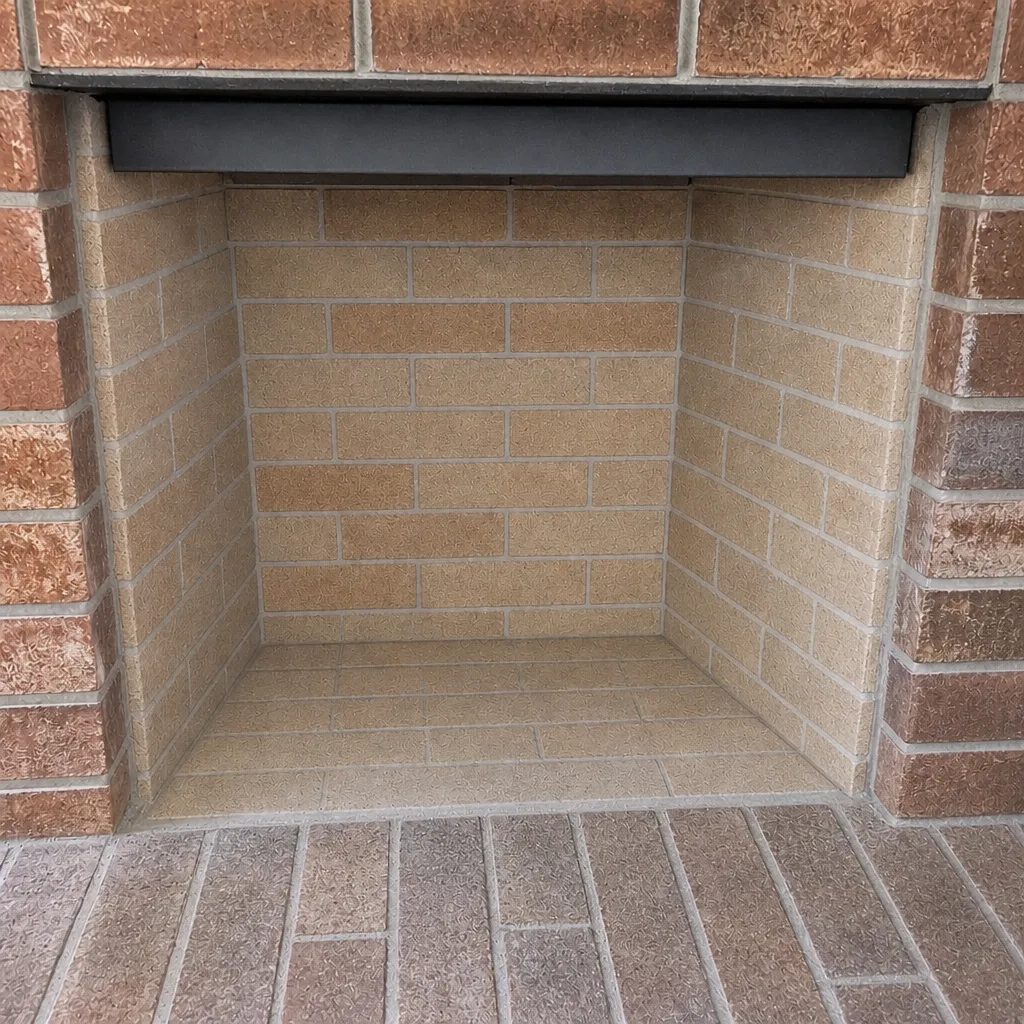
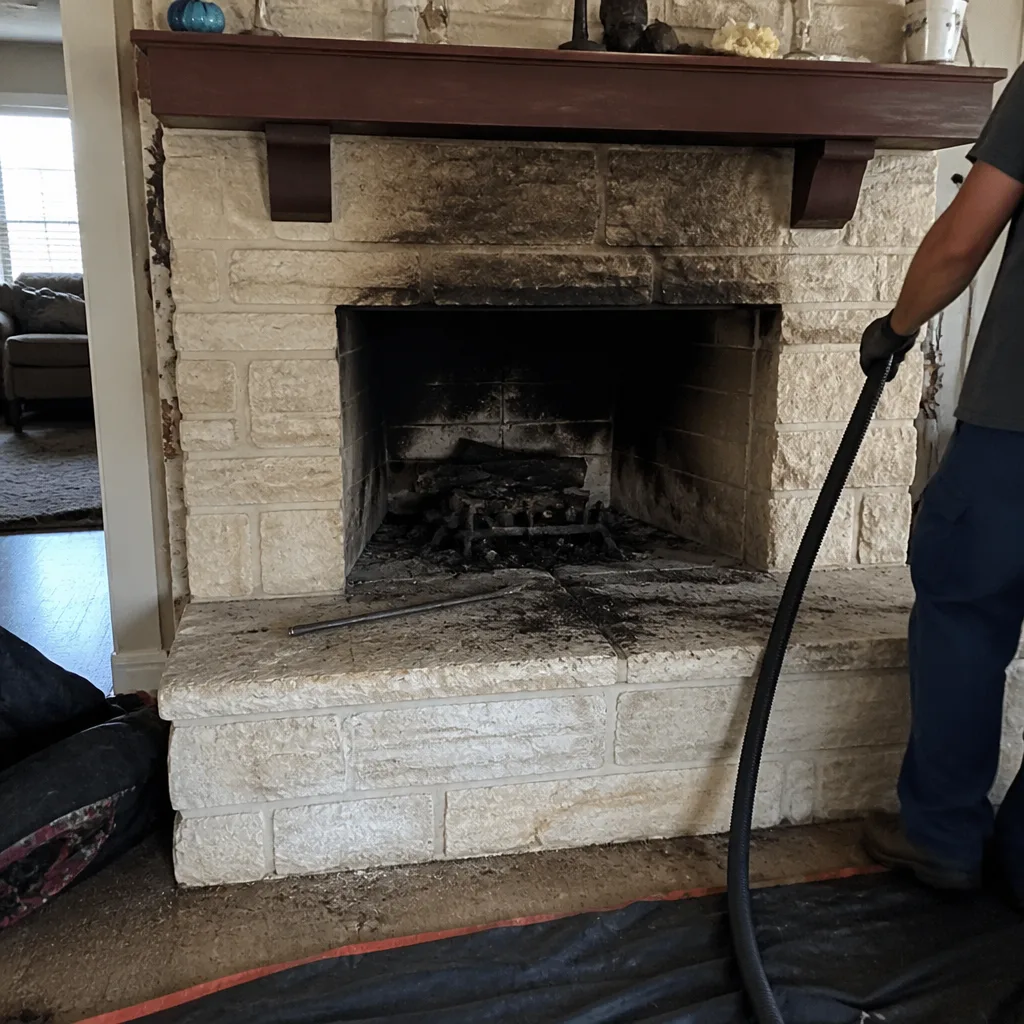
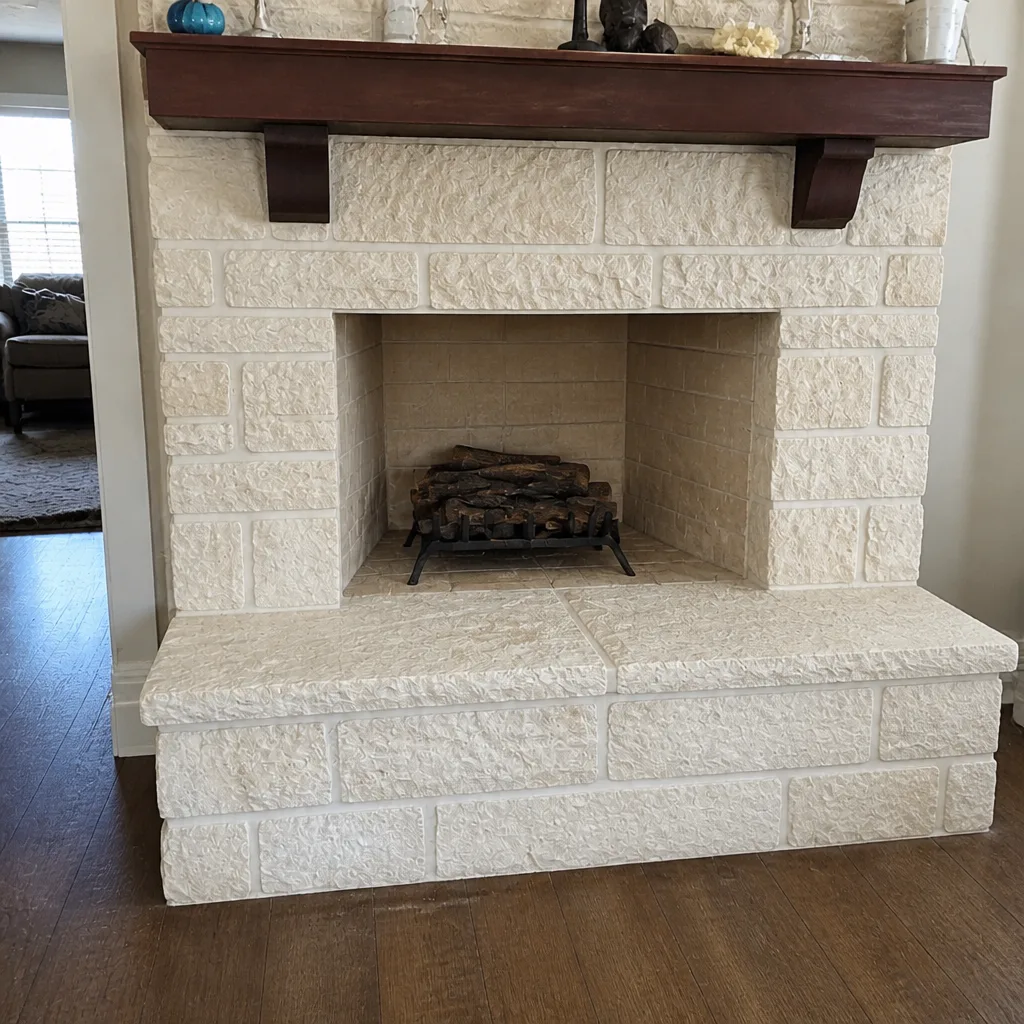
See the difference
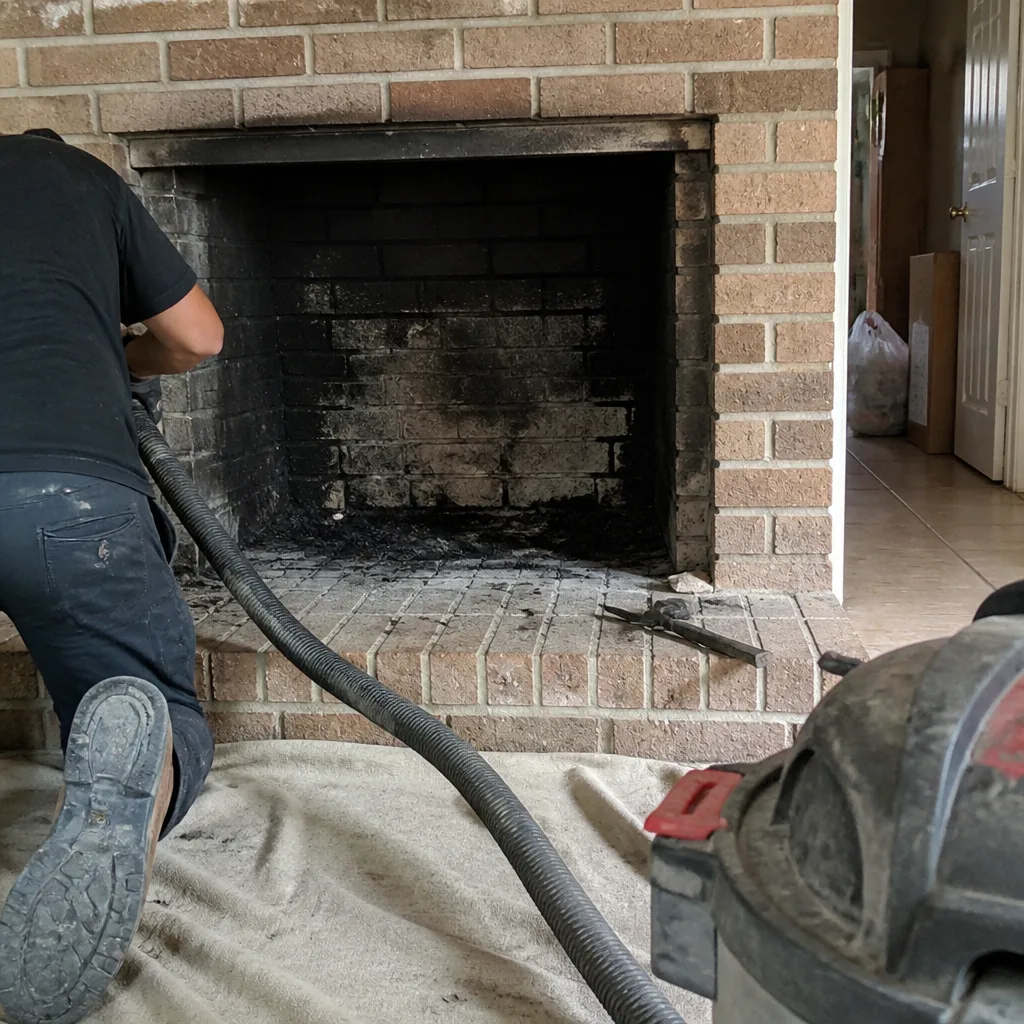 Before
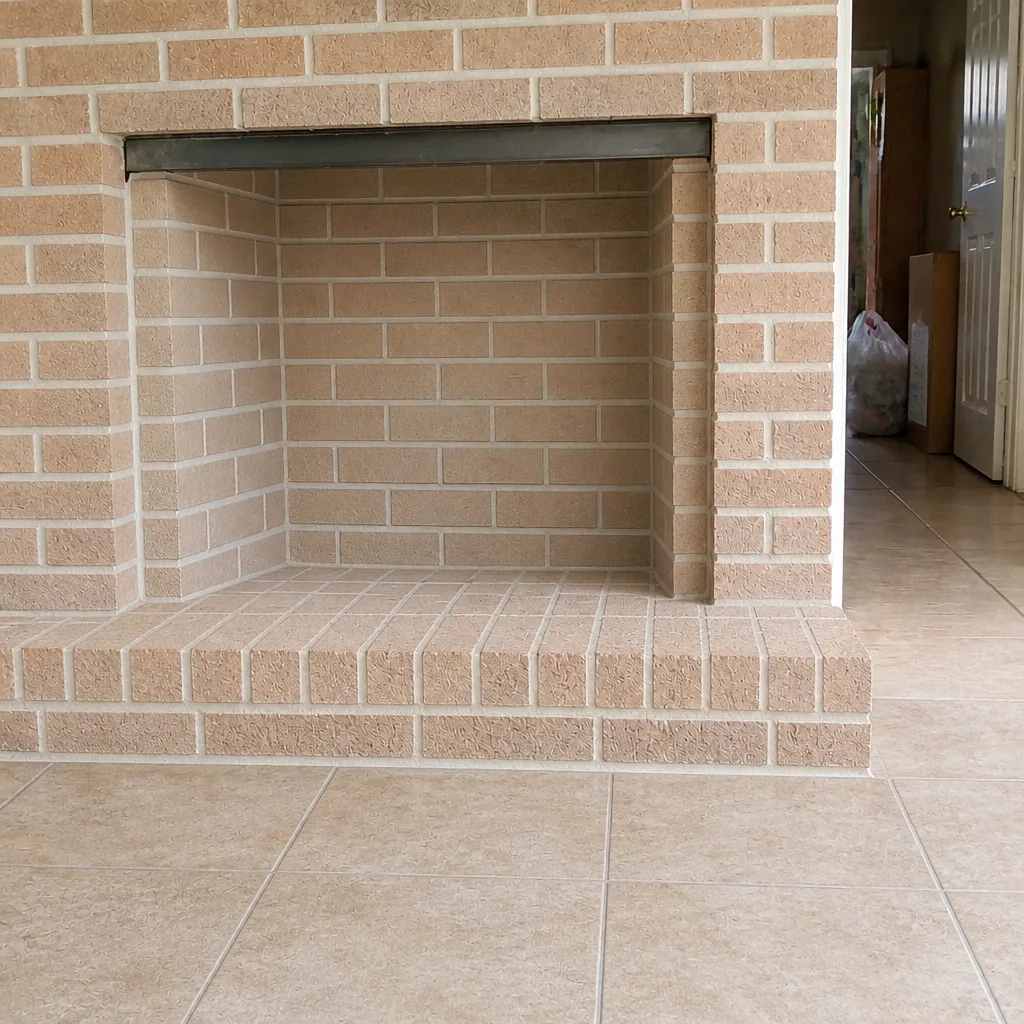 After
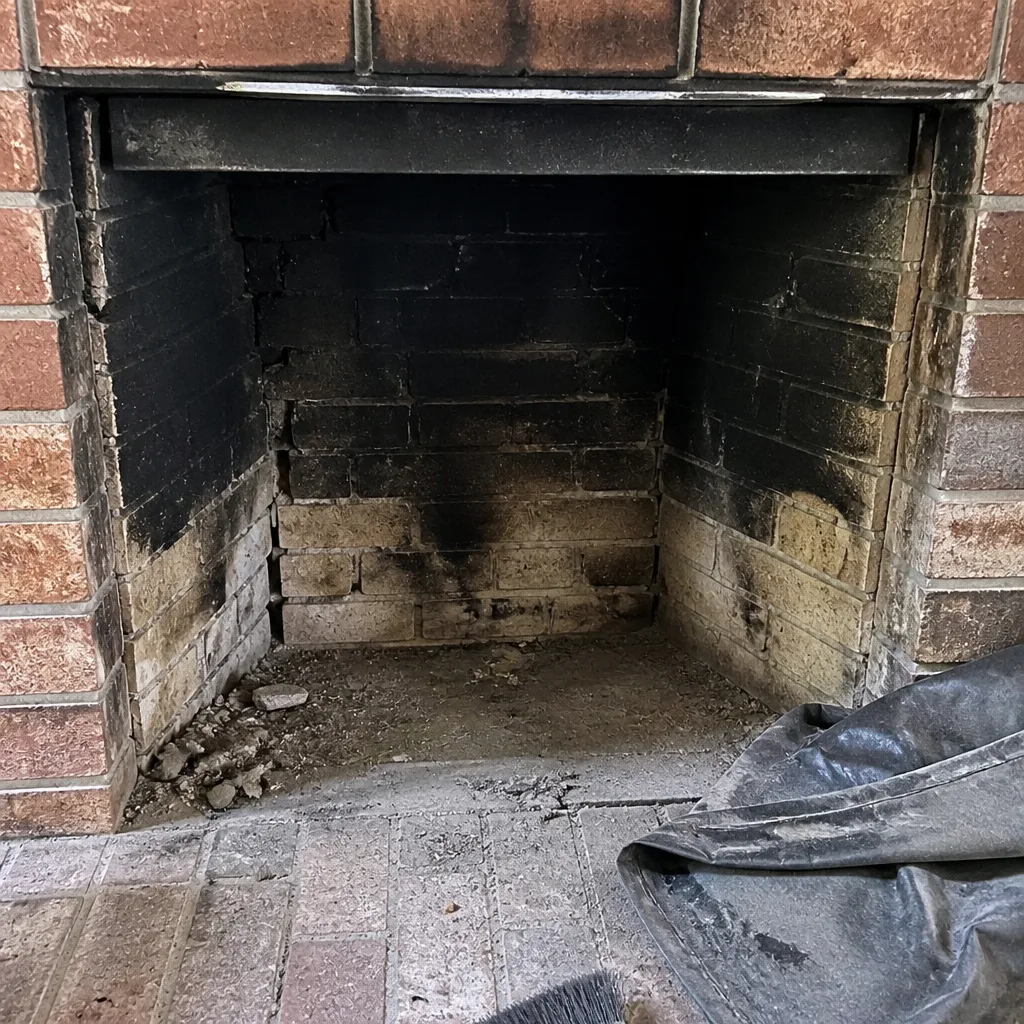 Before
 After
 Before
 After
When to Call a Professional
Some chimney situations are fine to sit on and some need a call. Call a professional if you smell smoke in the house when the fire is burning, if you see creosote buildup on the flue walls, if there’s water dripping into the firebox, if the cap is missing or damaged, if you notice soot staining around the chimney top, or if you’ve moved into a home and don’t know when the chimney was last swept.
A blocked or damaged flue carries carbon monoxide back into the house instead of venting it outside, and that’s a risk you don’t get a second warning about. If you suspect a flue problem, don’t test it yourself. That’s when a trained technician earns the call. Chimney Sweep Beaumont offers free estimates in Beaumont and can assess the system before you commit to anything. Call (833) 946-8798. We answer 24/7.
Frequently Asked Questions
No. Texas doesn’t require a license specifically to clean chimneys, which is why certification and insurance matter more here than in states that do. Ask for CSIA certification and proof of liability insurance, and verify both yourself before booking. A contractor who can’t produce either has nothing but a phone number standing behind their work.
Most chimneys used regularly should be swept and inspected once a year. Beaumont homeowners who burn frequently, or who burn green or unseasoned wood, may need it more often. If you’ve skipped a year or two, book a sweep and an inspection before burning season starts. Call (833) 946-8798 for an estimate.
Ask which brands they use for caps, liners, and sealants, and why. A professional will name specific products designed for chimney systems, like DuraFlex, HeatShield, Famco, or Copperfield, and explain the reasoning behind the choice for your specific flue. A vague answer signals that materials are being picked by price. Call (833) 946-8798 to talk through what your chimney would need.
A legitimate contractor documents the damage, gives you a written report with photos, and lets you decide whether to proceed. They don’t quote a repair before they’ve inspected, and they don’t push you into a decision on the spot. If something is recommended, ask for the reasoning and the evidence.
No, because a sweep without inspection cleans around problems it can’t see. The inspection is the part that tells you whether the flue is safe, whether the cap is intact, and whether repairs can wait. Asking for both at once is cheaper than two visits, and knowing the condition of your chimney is worth more than saving a little on the first call.
Yes, and that’s an important test of a contractor. A provider who offers inspection as a standalone service is comfortable giving you an honest assessment whether or not there’s a repair to sell. Ask explicitly whether they offer inspection on its own before booking a sweep.
The Bottom Line
Hiring a chimney cleaning contractor in Beaumont comes down to three checks: certification you’ve verified yourself, materials you can name, and paperwork you can hold. Those three replace the state license Texas never created, and they’re the difference between a contractor who can actually inspect a system and one who brushes the surface and leaves. Ask the five questions, get the written report, and book before burning season rather than during it. Do that and the person on your roof becomes a known quantity, not a gamble.
If you’d rather start with a clear picture of what your chimney actually needs, call Chimney Sweep Beaumont at (833) 946-8798 for a free estimate. We answer 24/7. Fast dispatch from 7am to 7pm, Sunday through Friday. Clean, repair, inspect, with the right product for the job.
Written by the team at Chimney Sweep Beaumont.