
Last updated November 15, 2026
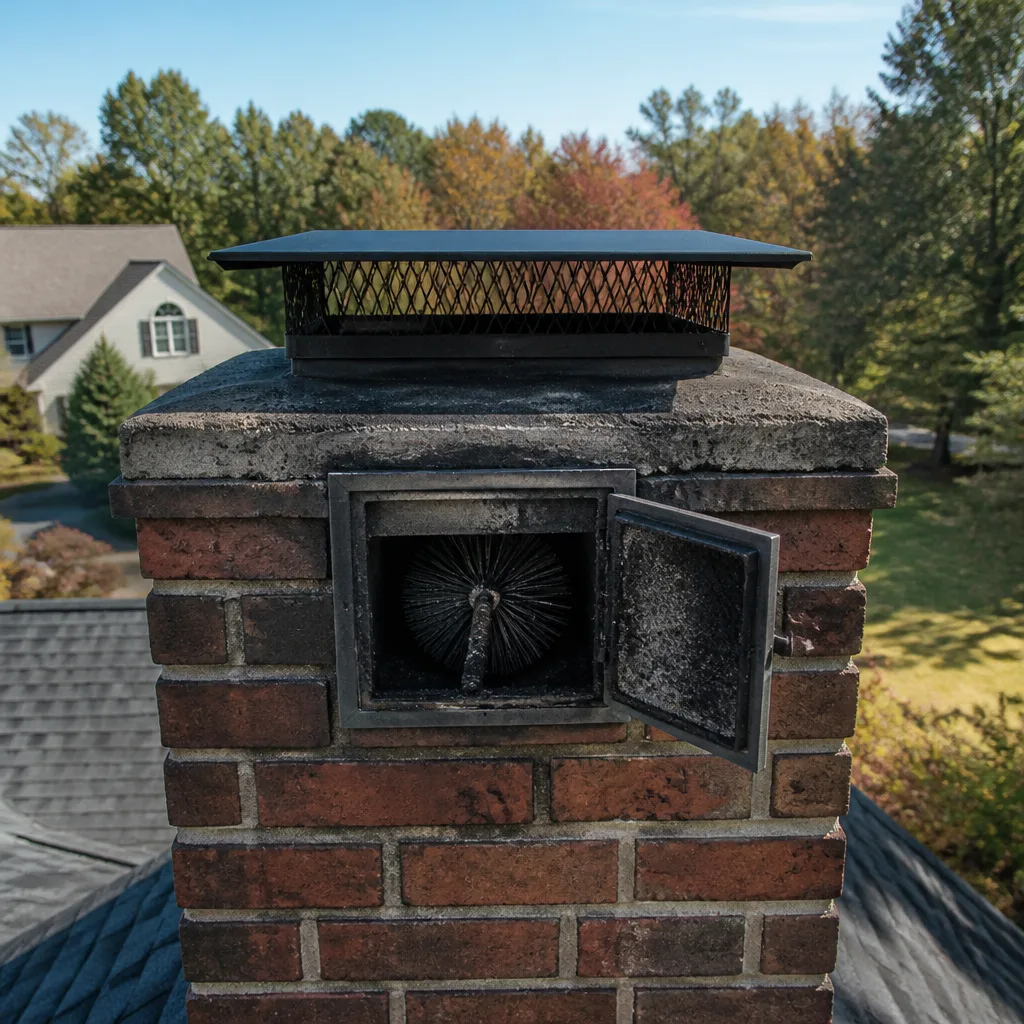 Sweep & inspection
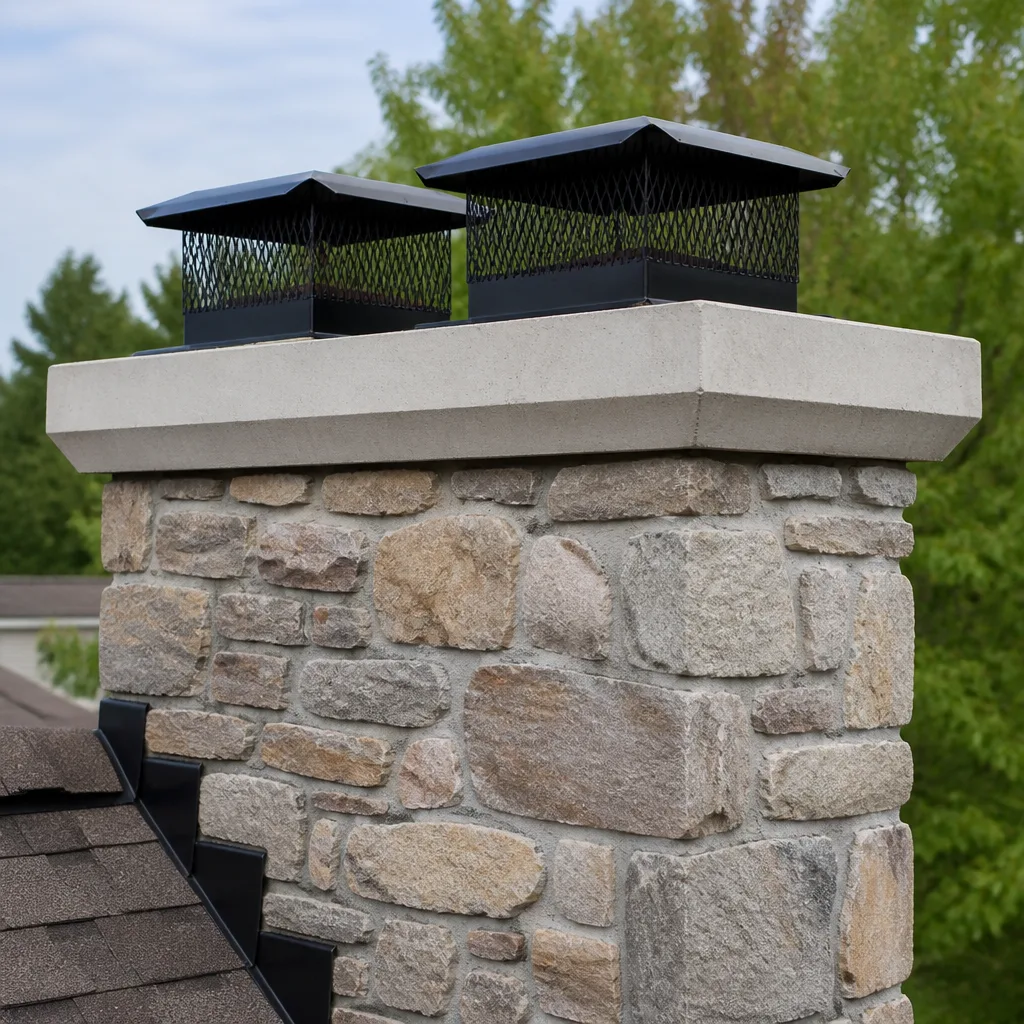 Caps & crowns
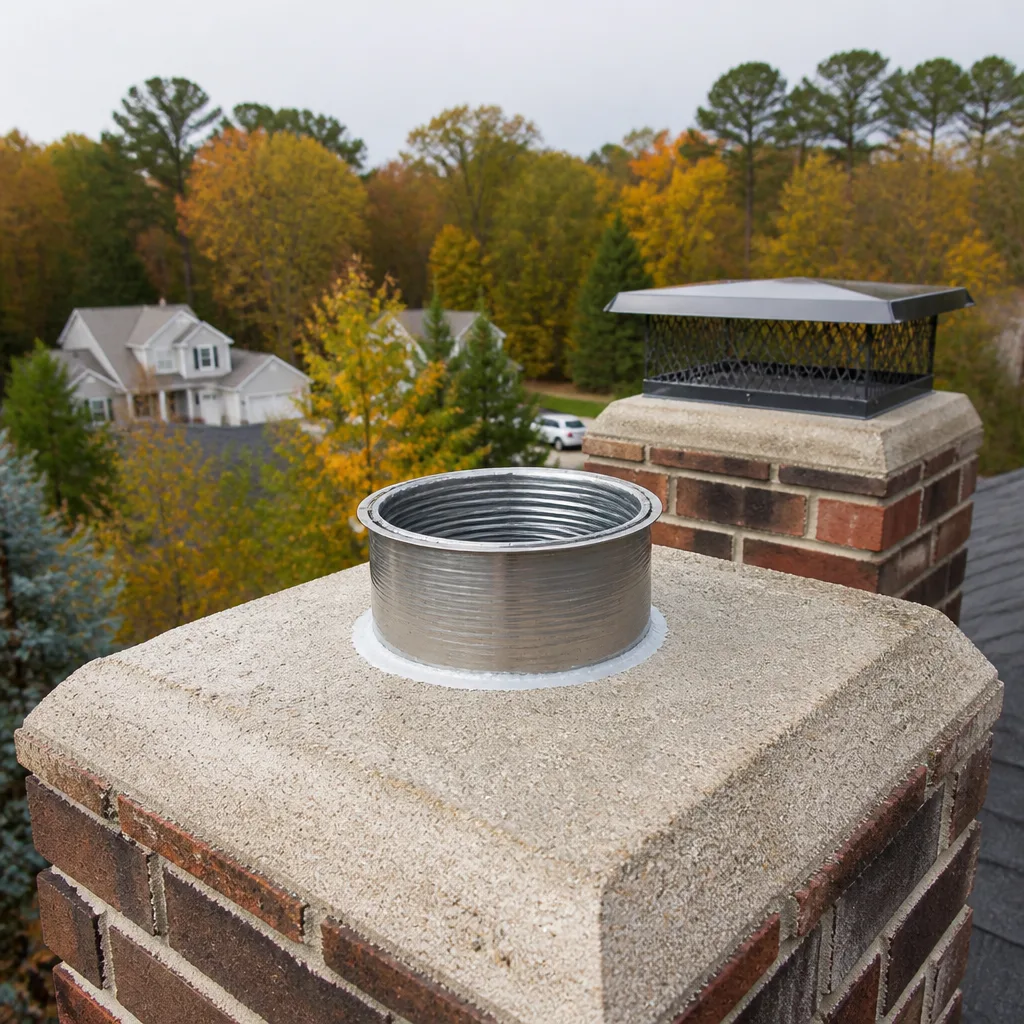 Flue relining
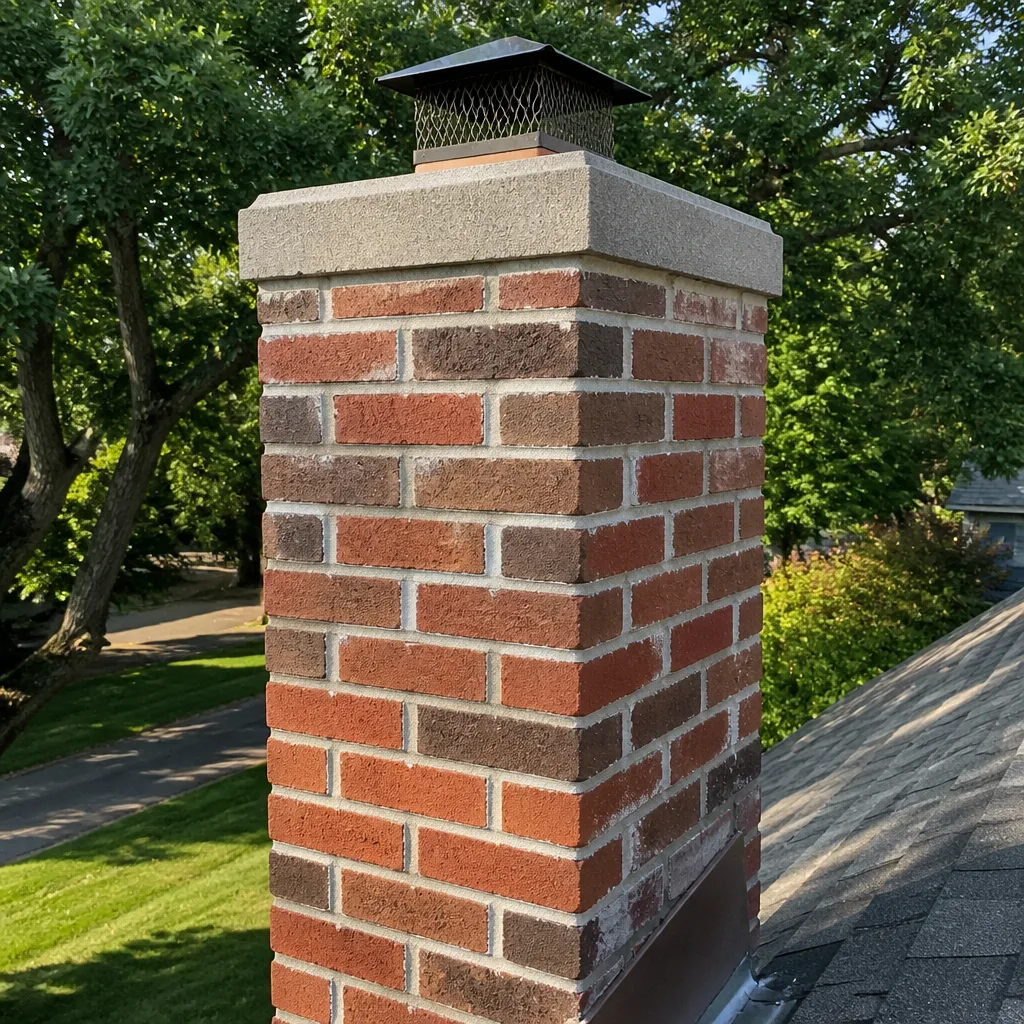 Masonry repair
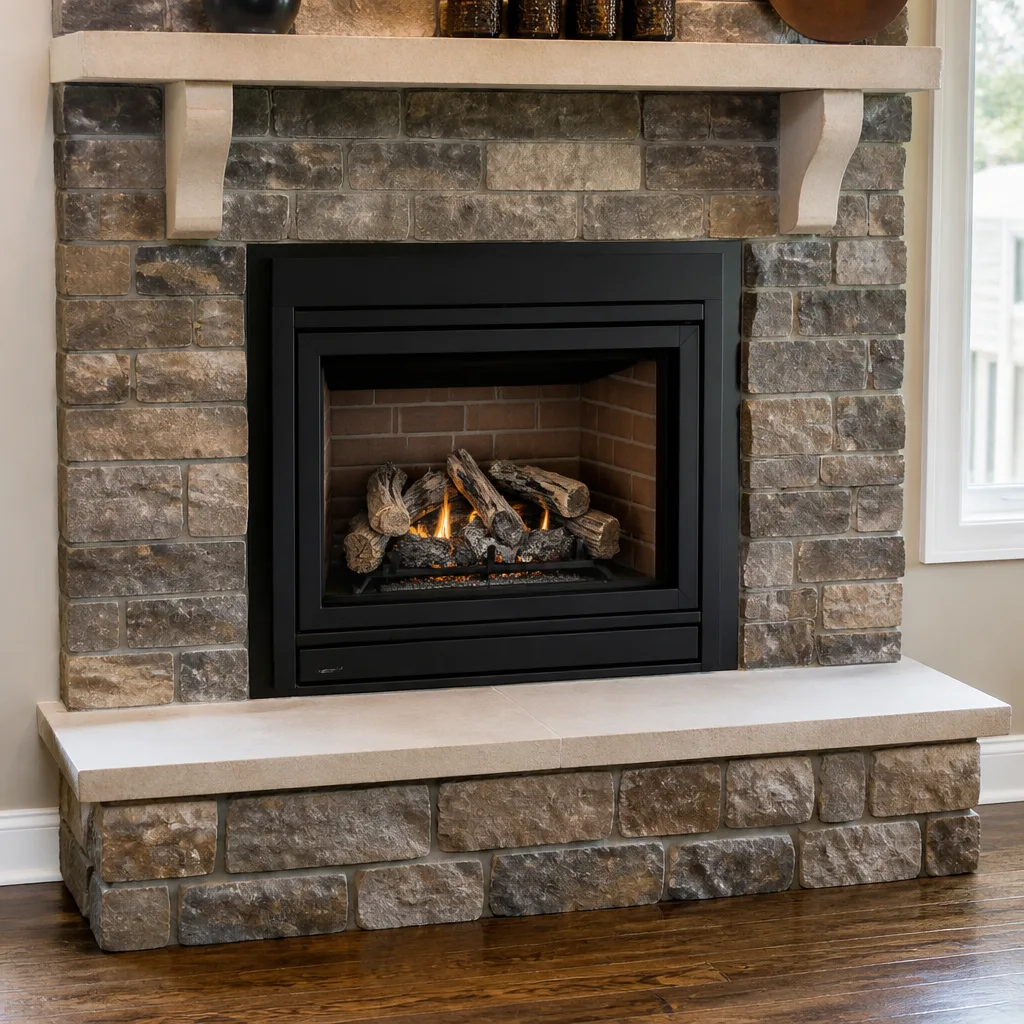 Gas fireplace service
Level 1 sweep and inspection to the NFPA 211 annual standard - flue, crown, cap, and flashing checked and photographed
Chimney sweep logs do not sweep chimneys. They loosen some creosote - which then falls where a brush and vacuum still have to collect it.
Chimney Cleaning Emergency Preparedness Guide for Beaumont Homes
Most homeowners in Beaumont picture a chimney emergency as flames shooting from the roof. What they miss is that the quieter failure is usually the one that hurts people. A chimney fire can hit 2,000°F inside the flue in under a minute and crack a clay liner before the fire department is even called, but a blocked flue or a failed damper can push carbon monoxide into a sealed living room with no smoke, no smell, and no warning at all until someone feels sick. This guide walks through both kinds of emergency, how to recognize each one, what to do in the first minutes, and how to check your system after a storm passes through Beaumont.
Quick Answer
Chimney emergency preparedness in Beaumont means doing three things before you ever need them: keep a current inspection on file so you know your flue’s condition and dimensions, know the warning signs of a chimney fire and carbon monoxide backdraft, and have your chimney checked after any tropical storm or hurricane that crosses Southeast Texas. Most chimney fires and CO incidents are preventable with a clean flue, a working cap and crown, and a liner that isn’t cracked. Nothing in this guide replaces an inspection, but it tells you what to watch for and who to call.
Styles & brands we work with
- Sweep & inspection
- Caps & crowns
- Flue relining
- Masonry repair
- Gas fireplace service
Table of Contents
- How to Recognize an Active Chimney Fire
- What to Do in the First 60 Seconds
- Carbon Monoxide and Chimney Backdraft in Beaumont Homes
- The Post-Storm Chimney Check for Southeast Texas
- What “Condemned for Use” Means After a Chimney Fire
- Pre-Season Emergency Readiness
- What Your Homeowner’s Policy Covers
- Safety Cautions During an Emergency
How to Recognize an Active Chimney Fire
An active chimney fire sounds like a low-flying plane or a freight train inside the chimney, and it often comes with a series of sharp pops like firecrackers. Those sounds are the most reliable indoor sign, because many chimney fires burn themselves out with no visible flame from the ground and no smoke that looks unusual. If your flue is lined with a masonry clay tile, the popping you hear may be sections of liner cracking as the temperature spikes.
From outside, look for dense, dark smoke pouring from the top of the chimney, or sparks and glowing embers leaving the crown. A 12-inch-tall flame or a roar that lasts more than a few seconds is a working chimney fire, not the normal rush of air you get when you first light a fire.
Homeowners often describe a burning smell in the house that’s heavier and more acrid than normal smoke. That smell is usually creosote igniting, and creosote is the same black glaze that builds up when wood burns cool and slow. In Beaumont, where winters are mild and fireplaces run intermittently, that cool, smoldering burn pattern is common, and it’s one of the top reasons flues here accumulate creosote faster than homeowners expect.
- Audible: roaring, roaring with a rumble, or sharp popping inside the flue
- Visible inside: a strong acrid smell, a glow from the damper area, smoke spilling into the room
- Visible outside: dark smoke, sparks, or flames from the chimney top
- Not a sign of a fire on its own: a thin wisp of smoke from the chimney when the fire is damp or just lit
A chimney fire that reaches 2,000°F can crack a clay liner and ignite adjacent framing inside the wall. Once the fire is out, the failure is often invisible from the firebox, which is why a camera inspection after any chimney fire is non-negotiable. Our team delivers Beaumont clients an inspection report they can review frame by frame, not a verbal summary.
What to Do in the First 60 Seconds
The first 60 seconds of a chimney fire are about three things: getting everyone out, getting the fire department on the line, and cutting the oxygen to the flue without endangering anyone. We’ve learned that most injuries during home chimney fires happen because a homeowner spends the first minute deciding whether it’s really a fire rather than acting.
- Get everyone out of the house. Children and pets first. Move to the yard, not the front porch.
- Call 911. Say the words “chimney fire.” That phrase changes how the responding engine company handles the call.
- If the fireplace is accessible and safe to reach, close the glass doors or damper. Cutting airflow to the firebox will slow combustion. Do not do this if smoke is already filling the room.
- Do not pour water into the firebox. Water on a 2,000°F flue can shatter the liner and steam-scald anyone nearby.
- Do not climb onto the roof. A 2,000°F chimney can ignite roof sheathing without visible flame from above, and roof work is a fall hazard.
- Do not re-enter the home until a fire officer or a qualified chimney professional has cleared the chimney for use.
For most Beaumont homeowners, step six is where the real work begins. A chimney fire leaves the flue in an unknown state, and the only safe assumption is that it may have damaged the liner. That’s why Chimney Sweep Beaumont offers post-fire inspections as a standalone service; the inspection tells you what’s actually there before you decide anything about the fireplace. Our technicians have up to 14 years of experience with liners of every kind, and we use a camera so you see what we see.
Carbon Monoxide and Chimney Backdraft in Beaumont Homes
Carbon monoxide from a chimney is colorless and odorless, and it comes from a much quieter failure than a chimney fire: a blocked flue, a failed damper, a negative-pressure house, or a cracked liner that lets exhaust escape into the wall cavity. In Beaumont’s newer, tightly sealed homes, that last risk is more common than homeowners realize, because a house built to hold air conditioning in July doesn’t easily let chimney exhaust out in January.
What happens is this. A modern home is wrapped tight for energy efficiency. When exhaust fans run in the kitchen or bathroom, or when the fireplace first lights and the flue is still cold, the house can pull air down the chimney instead of pushing it up. That’s backdraft. The fire burns cooler, the smoke lingers, and the exhaust, including carbon monoxide, ends up in the room instead of the sky. A malfunctioning damper that doesn’t open fully, or one left closed because the homeowner didn’t know, does the same thing. A blocked flue from a bird’s nest or a collapsed liner does it worse.
- Headache, dizziness, nausea, or unusual fatigue that clears when you leave the house
- A “dead” fire that won’t draw and smoke rolling out of the firebox instead of up the flue
- Soot streaks on the face of the fireplace or around the damper frame
- A CO alarm going off any time the fireplace is burning
If any of those signs appear, stop using the fireplace and call us. We carry the inspection and diagnostic tools to find the cause, whether that’s a damaged liner, a stuck damper, a blocked cap, or a pressure problem in the house. Professional-grade components matter here; a cap that doesn’t seal or vent properly, or a liner joint that isn’t engineered for the application, can leave you with the same CO problem six months later. Brands like Copperfield and Gelco exist precisely because cheap generic caps don’t weather Southeast Texas storms well.
The Post-Storm Chimney Check for Southeast Texas
Any hurricane or tropical storm that moves through Beaumont can damage a chimney in ways the homeowner never sees from the ground. Wind-driven rain enters a missing cap or a cracked crown. Debris lodges in the flue. The exterior masonry takes on water and slowly crumbles from the inside out. All three of those lead directly to hidden fire and CO risks.
What the storm can do:
- Lift or shear off the chimney cap. A missing cap opens the flue to rain, birds, squirrels, and leaves. Any one of those is an obstruction that causes backdraft and CO.
- Crack the crown. The concrete or mortar top of the chimney is meant to shed water away from the flue. A crack sends it down the outside of the liner instead.
- Loosen flashing at the roofline. Water enters the attic space and the wall cavity next to the chimney, rotting the framing the chimney sits against.
- Displace masonry. Loose bricks or broken mortar joints at the top of the stack are a fire hazard from the outside, and they also let water in.
After a named storm passes, the check is straightforward. From the ground, look at the chimney from all four sides and the roof for a missing or tilted cap, cracked crown, loose bricks, and water stains on the ceiling near the chimney. Do not climb on the roof yourself; a wet Southeast Texas roof after a storm is a fall risk, and the real inspection requires getting into the flue anyway.
Then call for a sweep and inspection. Chimney sweep work after a storm clears debris and lets the inspector see the full flue with a camera. Chimney Sweep Beaumont routinely checks caps and crowns after storm season, and we install replacement caps with Gelco, Olympia Chimney, and Famco products because they’re built to shed water and hold up to the wind. If we find damage, we write it up with photos, and you decide what to do next.
What “Condemned for Use” Means After a Chimney Fire
“Condemned for use” means a chimney professional, a fire officer, or a building inspector has evaluated the flue after a chimney fire and determined it cannot be used safely until the liner is repaired or replaced. The fireplace stays off until a camera inspection confirms the liner is intact and the flue is clear. That’s not a scare tactic; it’s the standard. A clay tile liner that cracked during the fire lets heat reach framing inside the wall, and the next fire in that fireplace could start a hidden structure fire no one sees until it’s out of control.
How the assessment works:
- A visual inspection from the top and bottom of the flue. This is the starting point, and it can rule out obvious damage but cannot prove a liner is intact.
- A camera inspection of the full flue. A camera is fed the length of the flue, and the technician records the run so you can review it. Cracks, gaps at tile joints, missing mortar, and collapsed sections show up here.
- A written report with photos. You get the findings in writing, and any recommended repair is tied to a specific frame in the video, not to a general “your liner is bad” pronouncement.
- A repair recommendation, if it’s warranted. Minor joint issues may be restorable. Full liner failure means relining.
Two products we use in this situation are HeatShield for liner restoration and DuraFlex for full relining. HeatShield resurfaces a deteriorating flue liner from the inside, which works well when the tile is jointed and charred but not collapsed. DuraFlex flexible liner systems are a good fit for older Beaumont homes that have an offset flue, where a rigid liner can’t follow the bend. Both products are designed specifically for chimney systems, not improvised with generic materials. That distinction matters when the whole point of the repair is that the liner has to hold up to the next fire.
What you should never do after a chimney fire is relight the fireplace “just to see if it still works.” A liner that looks intact from the firebox can be cracked higher up. Call for the inspection first.
Pre-Season Emergency Readiness
Emergency readiness for a chimney starts before the first cool evening in Beaumont, and the most important piece of readiness is having a Level 1 inspection already on file. A Level 1 inspection is the standard visual inspection of the readily accessible parts of the chimney, and it gives you a written record of your flue’s condition, so if something does go wrong, you have a baseline to compare against.
What to have ready before fire season:
- A current Level 1 inspection report. Keep a copy with your homeowner paperwork. If a chimney fire happens, the adjuster will ask for it.
- Your chimney dimensions on hand. Flue inside diameter, height from the firebox to the top, and whether there’s an offset. If a liner fails in December, having those measurements saves the back-and-forth that delays a reline.
- The liner and cap materials your chimney currently uses. If it’s an older clay tile installation, that’s important; it changes which repair products fit.
- Working carbon monoxide alarms on every level of the home and outside each sleeping area. Test them before the season begins.
- A clean flue. A sweep before the season removes the creosote that makes chimney fires possible in the first place.
We also recommend that homeowners in Beaumont understand where their shutoffs are and what the fire department will ask when they arrive. That knowledge turns a panicked first minute into a fast exit. The other piece is having a chimney professional you’ve already used. Our team handles chimney repair, sweeping, and inspection on the same system with one team, so you’re not coordinating a sweep company for the cleaning and a mason for the repair.
What Your Homeowner’s Policy Covers
Most homeowner’s policies in Texas cover fire damage from a chimney fire, but they often exclude damage caused by neglect, and they may exclude long-term water damage from a missing cap or cracked crown. That’s the gap homeowners discover after the claim is filed, not before. The distinction is usually between a sudden, accidental event (a chimney fire) and a maintenance failure that was visible and ignored (a cracked crown nobody fixed for years).
What to do, and in what order:
- Document everything immediately. Photograph the fireplace, the chimney exterior, and any smoke or water damage inside the home before cleanup begins.
- Save the inspection report. A written report from a qualified chimney professional is what an adjuster will use to confirm the cause and the scope.
- Call your insurance company the same day. Most policies require prompt notice of a claim.
- Read your policy’s exclusions. Look specifically at what’s excluded for maintenance-related damage and for water damage caused by a failed cap or crown.
- Get the inspection independent of the insurance estimate. The policy pays for the repair; the inspection tells you what the repair actually is.
One reason we offer inspection as a standalone service is that it lets you get an honest answer about your chimney regardless of what the insurance company does with the claim. You’ll know what’s wrong with your flue whether or not the policy covers it.
Safety Cautions During an Emergency
Two parts of this trade are genuinely dangerous, and both matter during a chimney emergency. The flue itself, at 2,000°F during a fire, and the roof, which is where most chimney-related injuries happen when homeowners try to inspect or intervene themselves. We don’t recommend climbing onto a roof to check a chimney under any circumstances, and we don’t recommend opening a firebox or damper when smoke is already filling the room.
The other warning is carbon monoxide. If a CO alarm sounds while the fireplace is burning, treat it as a real event. Get out of the house, call 911 from outside, and do not re-enter until the fire department clears the home. Even if the alarm turns out to be a bad battery, the response is the same, because the alternative is not survivable if the alarm was right. A working damper, an intact liner, and a clear cap are the three things standing between a fireplace and a CO problem, and none of the three can be verified by eye from the living room.
If your chimney has previously been condemned after a fire, do not relight the fireplace until a camera inspection clears the liner. If you’ve had a chimney fire and haven’t yet had an inspection, treat the chimney as condemned until someone qualified has looked at it.
Common Mistakes to Avoid
- Waiting to call 911 during a chimney fire to see if it goes out on its own. A chimney fire can burn in under a minute at 2,000°F. That minute is spent better getting everyone out.
- Assuming a chimney fire that went out means the chimney is fine. The fire can crack a clay liner and leave no visible sign from the firebox. A camera inspection is the only way to confirm the liner is intact.
- Relighting a fireplace after a fire to “check” it. The next fire in a cracked liner can reach the framing behind it. Have the inspection before you burn again.
- Skipping the post-storm check. In Beaumont, a single tropical storm can remove a cap or crack a crown, and the next fire in that chimney can push CO into the house or start a fire inside the wall.
- Burning cool, damp wood. Low-temperature smoldering fires deposit more creosote than hot ones, and creosote is the fuel that turns a normal fire into a chimney fire.
- Letting a cracked crown or missing cap go unfixed. Water damage from a failed crown often isn’t covered by insurance because it’s treated as deferred maintenance. The repair is usually less expensive than the water damage it prevents.
- Assuming the cheapest inspection is the honest one. An inspection that ends with a large repair bill and no photos is one you can’t verify. Ask for the camera footage before you commit to a repair.
See the difference
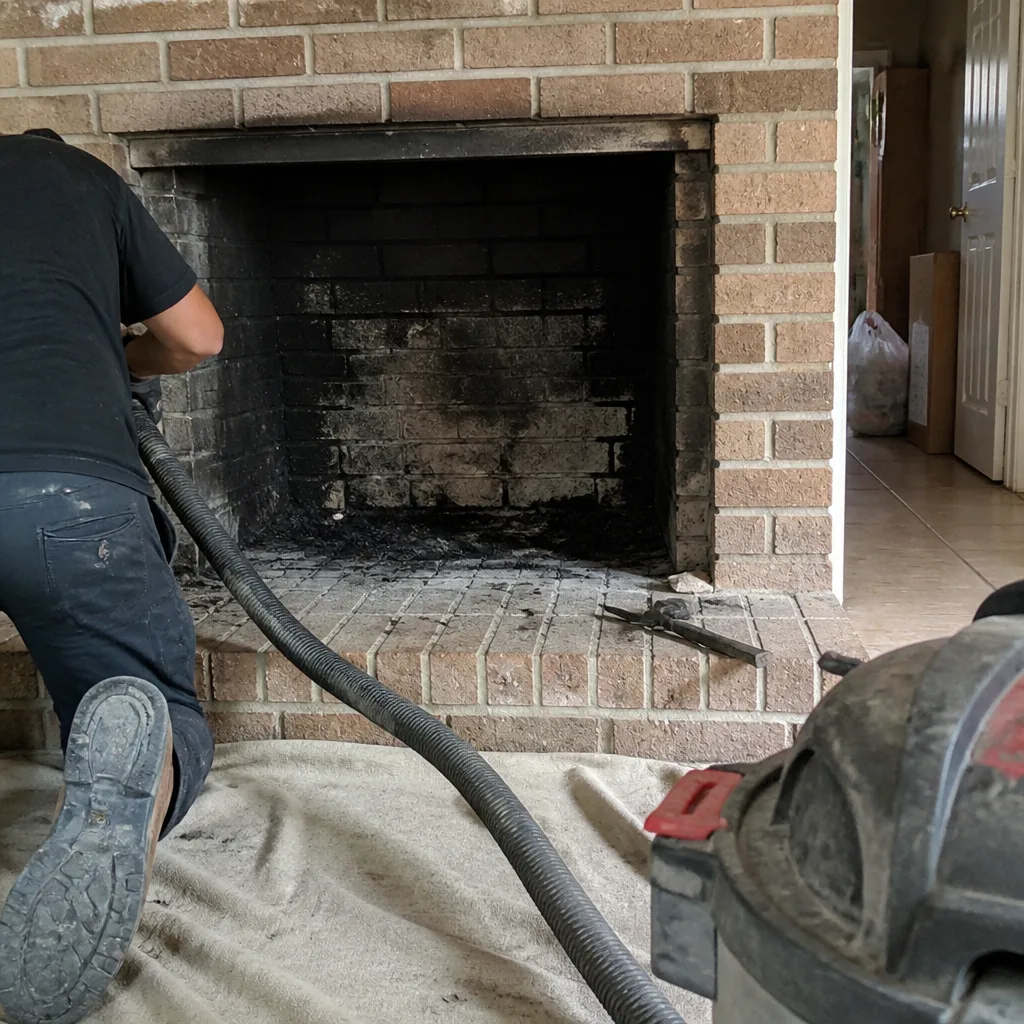 Before
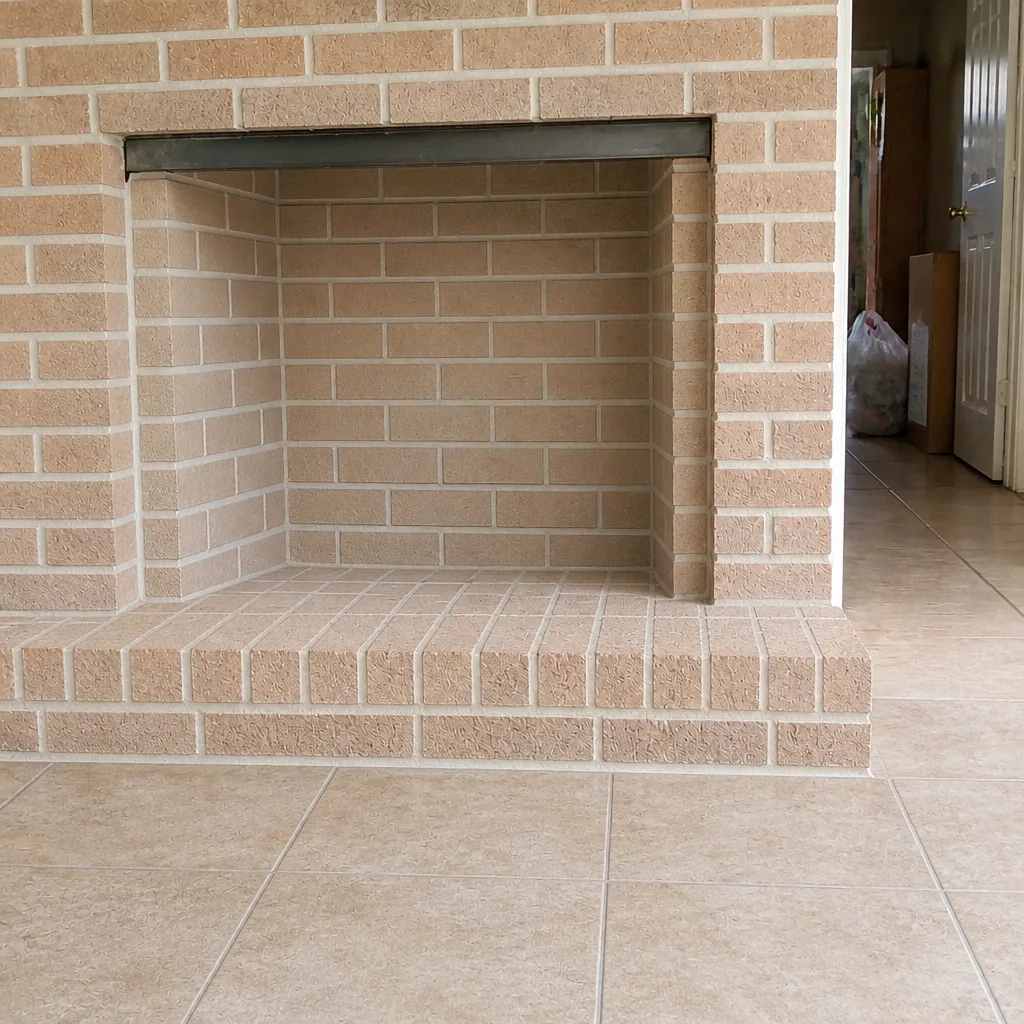 After
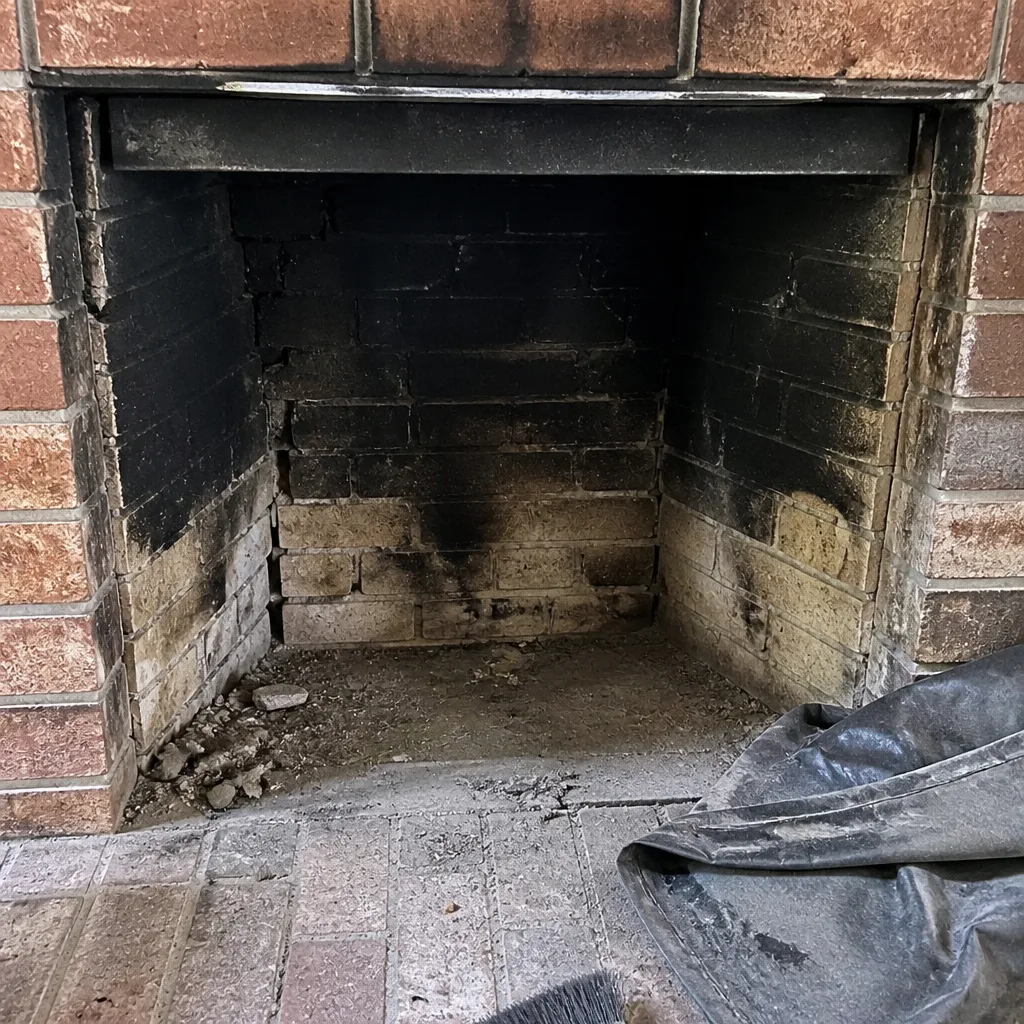 Before
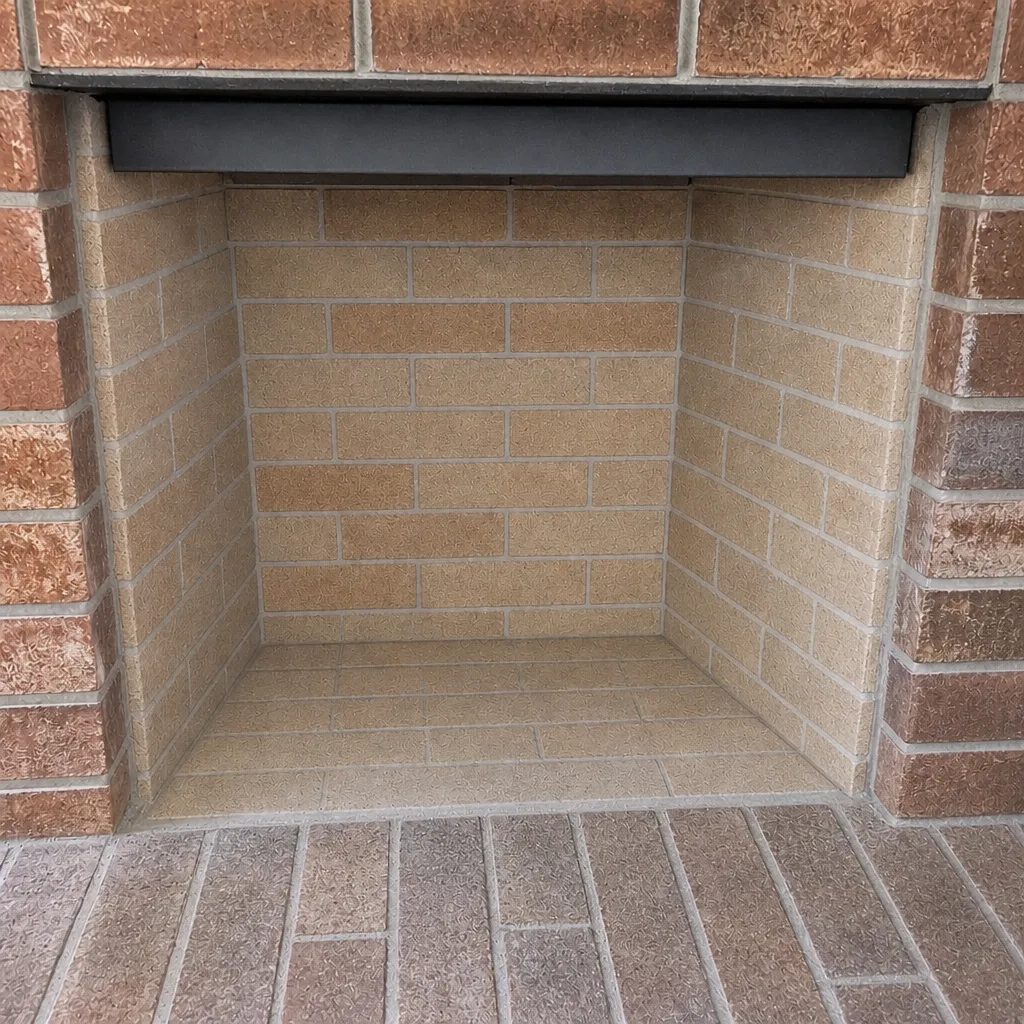 After
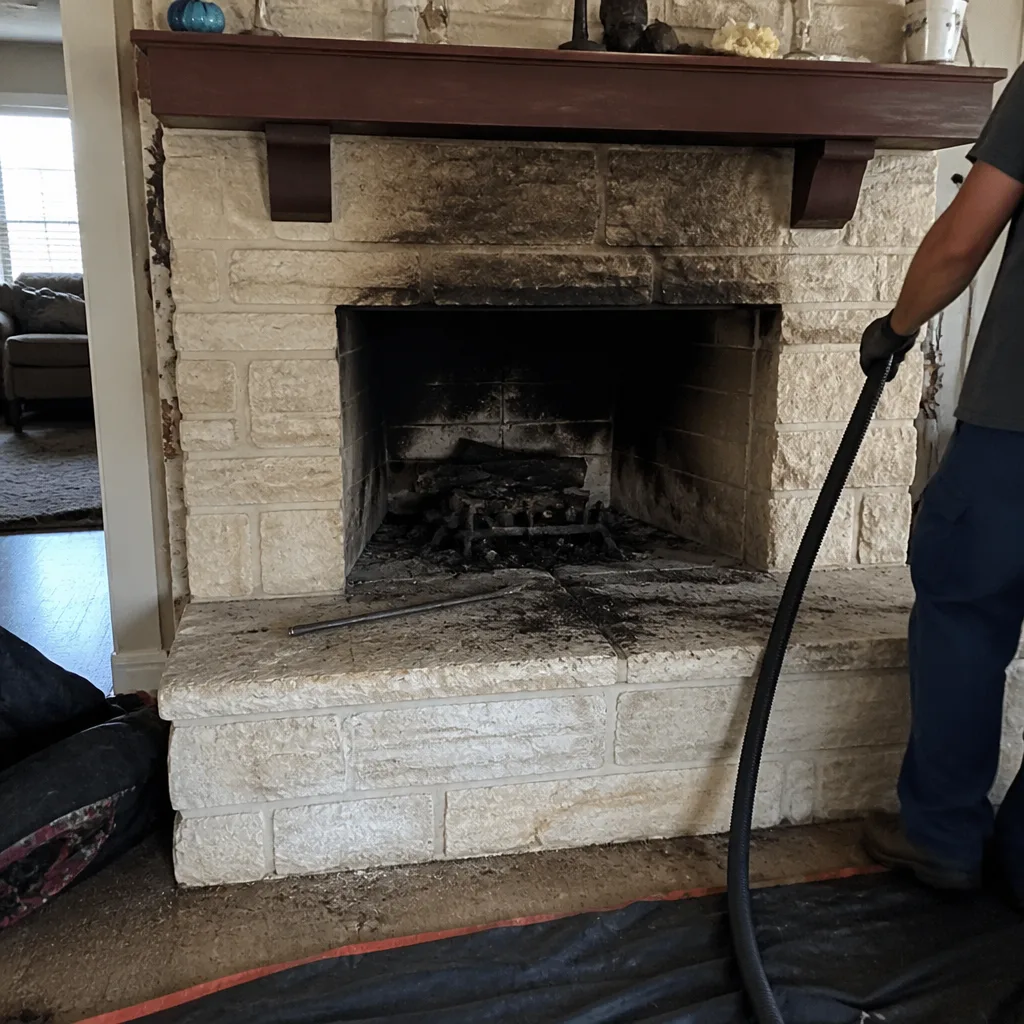 Before
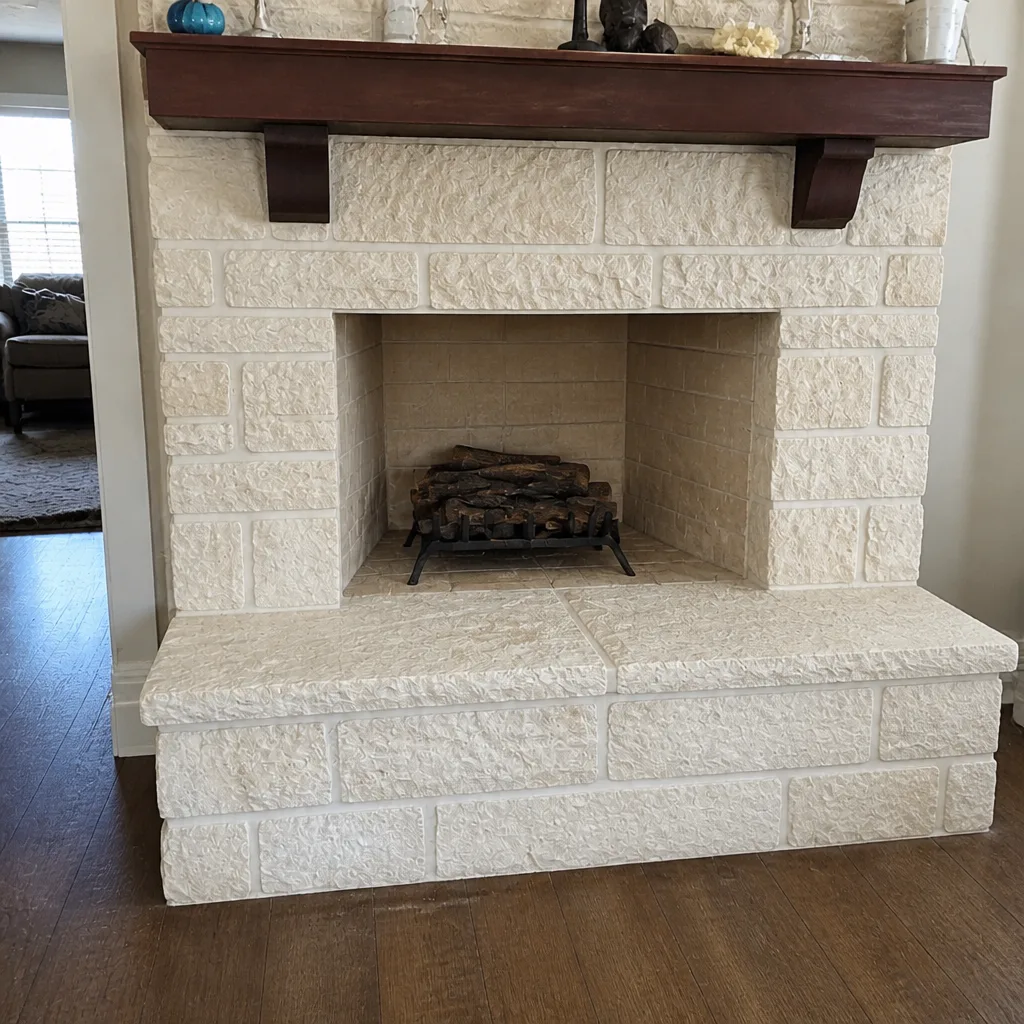 After
When to Call a Professional
Call a professional chimney company after any chimney fire, before the fireplace is used again. Call after any hurricane or tropical storm that moves through Beaumont, especially if you can see a missing cap, a cracked crown, or loose masonry. Call if your carbon monoxide alarm sounds while the fireplace is burning, or if the fire draws poorly and smoke rolls into the room. Call if the fireplace smells strongly of creosote or if you can see glaze on the flue walls from the damper. And call for an annual sweep and inspection before the burning season starts, so you’re not discovering a problem in the middle of one.
Chimney Sweep Beaumont offers free estimates in Beaumont. Call (833) 946-8798. We answer 24/7. Fast dispatch from 7am to 7pm, Sunday through Friday. You can also read more about our work on the Chimney Sweep Beaumont page.
Frequently Asked Questions
Most chimney sweeps in Beaumont are priced per job, and the final price is set by the written estimate after we’ve looked at your system. The estimate is free, and it identifies your flue type, height, and current condition so you know exactly what you’re paying for before any work is booked. Call (833) 946-8798 for an exact quote; estimates are free.
You’ve likely had a chimney fire if you heard roaring or popping inside the flue, saw sparks or dense dark smoke from the top of the chimney, or smelled a heavy acrid odor stronger than normal wood smoke. Many chimney fires go undetected because they burn out without visible flame from the ground. The only reliable check afterward is a camera inspection of the full flue. Call (833) 946-8798 to book one.
Yes. A blocked flue, a failed damper, or a backdraft caused by a tightly sealed house can let carbon monoxide from a gas appliance or a dying fire enter the living space even after the flames have gone out. Beaumont’s newer homes are sealed tightly for summer air conditioning, and that same tightness can starve a chimney of the airflow it needs. If a CO alarm goes off, leave the house and call 911 first, then call us for the inspection.
Have your chimney inspected before you use the fireplace. A storm can remove the cap, crack the crown, or loosen exterior masonry, and any of those can turn into a hidden fire or CO risk. From the ground, look for a missing cap, cracked crown, or loose bricks. Don’t climb the roof to check. Call (833) 946-8798 to book a sweep and inspection; we handle both on the same visit.
Not always. Whether a new liner is needed depends on what the camera inspection finds. Some flues can be restored with a product like HeatShield, which resurfases a deteriorating liner without full replacement. Others need a full reline with a flexible system like DuraFlex, particularly older homes in Beaumont with offset flues. Nothing gets recommended without video evidence you can review yourself. Call (833) 946-8798 for an inspection first.
Most chimney professionals recommend a sweep and Level 1 inspection once a year for a fireplace in regular use, and more often if you burn a lot of wood or notice creosote buildup. In Beaumont, where fireplaces tend to run intermittently in mild winters, the cool, slow burns can deposit creosote faster than expected. A pre-season sweep is the easiest way to keep the risk down. Call (833) 946-8798 to book one.
The risk compounds quietly. Creosote builds up, the flue stays unverified, and a cracked liner or missing cap goes unnoticed until the next fire tests it. The result can be a chimney fire, a carbon monoxide problem, or water damage that isn’t covered by insurance because it counts as deferred maintenance. The inspection is what tells you whether work can safely wait. Call (833) 946-8798 for an honest answer; estimates are free.
The Bottom Line
Chimney emergencies in Beaumont come in two forms: the fast, loud ones that sound like a train inside the flue, and the silent ones that put carbon monoxide into the room. Both are prevented by the same three things: a clean flue, an intact liner, and a cap and crown that keep water and debris out. The preparation that matters most is having an inspection on file before the season starts, knowing your chimney dimensions if a reline is suddenly needed, and understanding what your homeowner’s policy actually covers. If something does go wrong, get everyone out, call 911, and get the flue inspected before the fireplace is used again. The right repair, with the right product, is the one that keeps the next fire in the chimney. Call (833) 946-8798 for a free estimate. We answer 24/7. Fast dispatch from 7am to 7pm, Sunday through Friday.
Written by the team at Chimney Sweep Beaumont.