
Last updated November 15, 2026
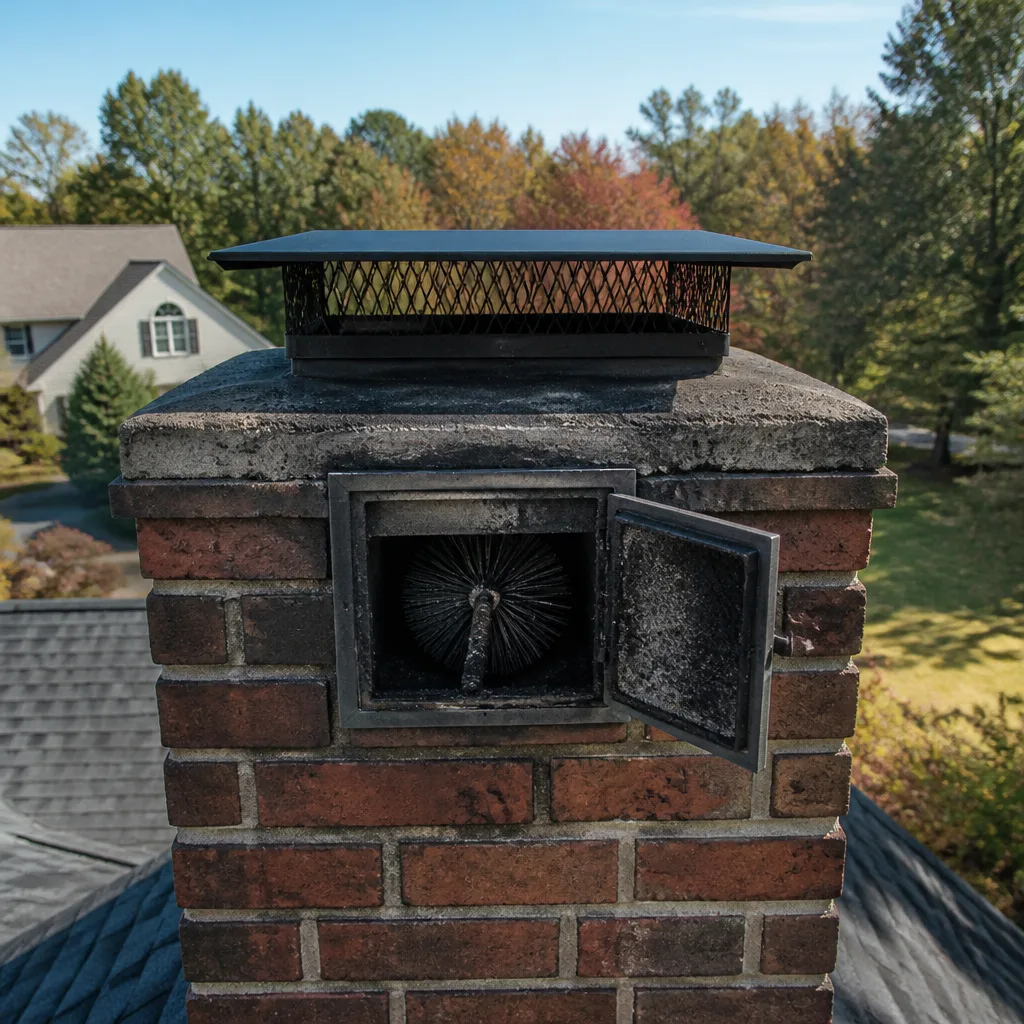 Sweep & inspection
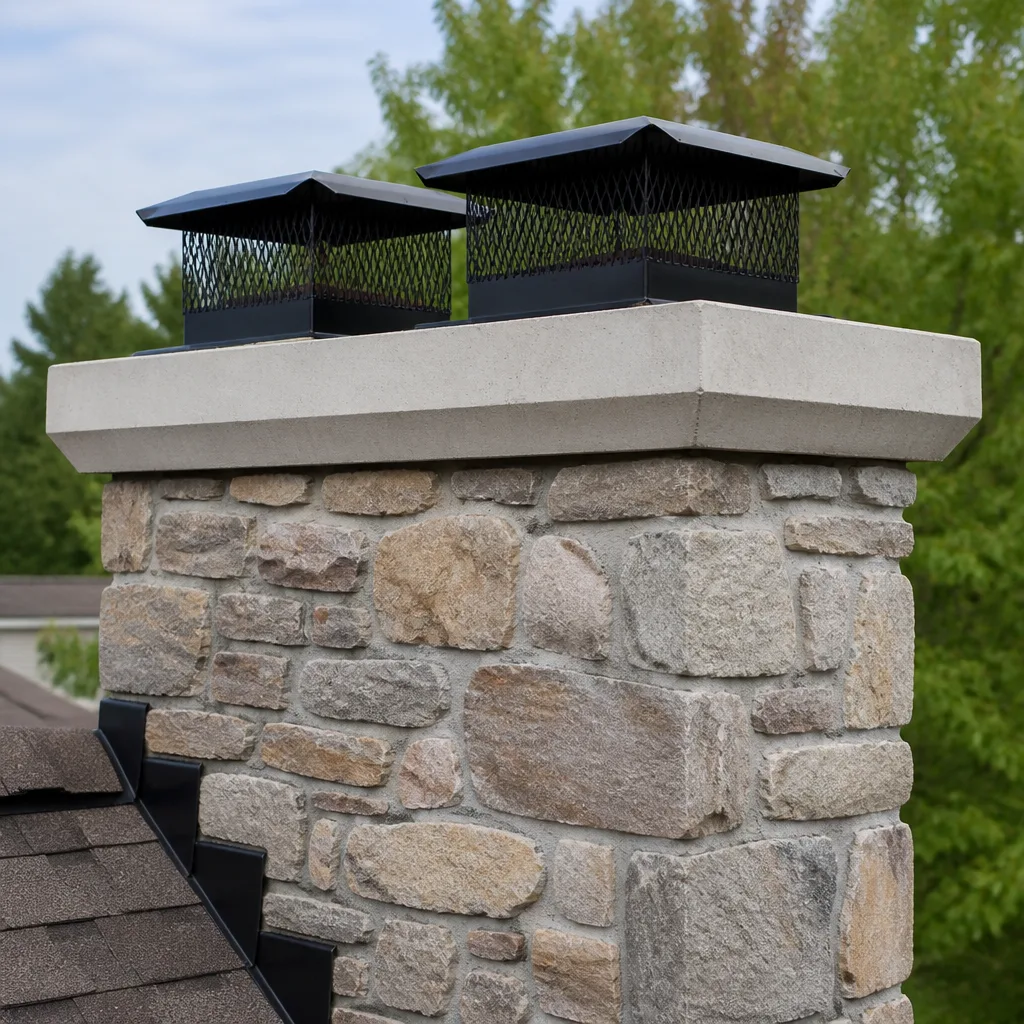 Caps & crowns
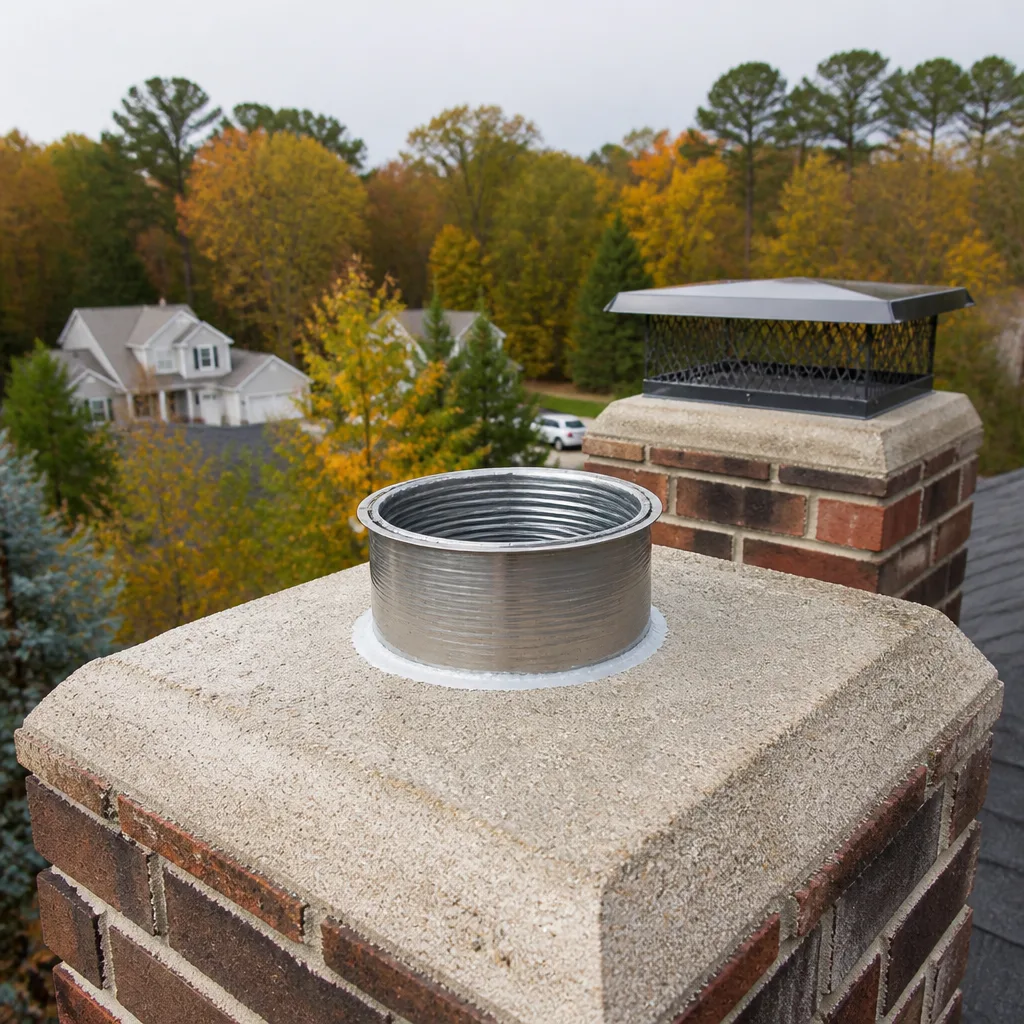 Flue relining
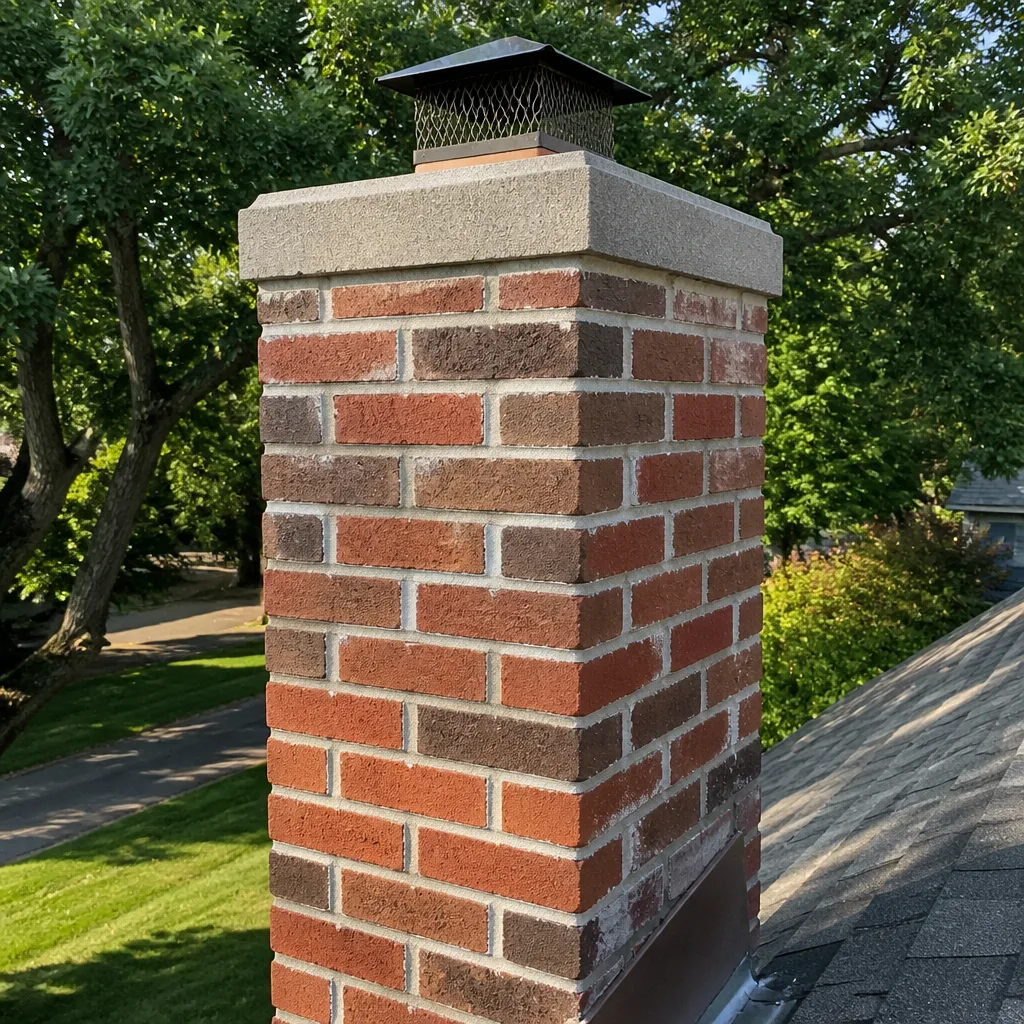 Masonry repair
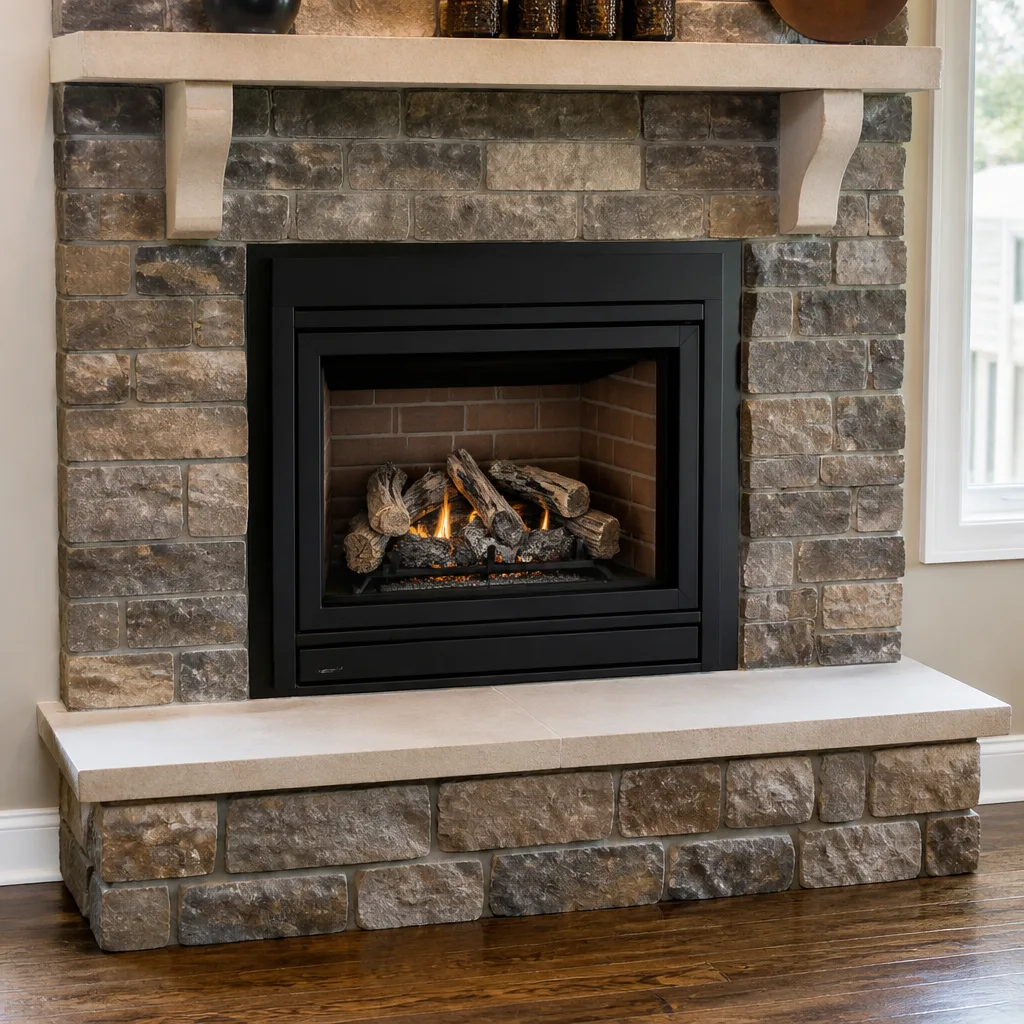 Gas fireplace service
Level 1 sweep and inspection to the NFPA 211 annual standard - flue, crown, cap, and flashing checked and photographed
Chimney sweep logs do not sweep chimneys. They loosen some creosote - which then falls where a brush and vacuum still have to collect it.
Seasonal Chimney Cleaning Care for Beaumont: Year-Round Homeowner’s Guide
Most chimney care advice you’ll find online was written for homeowners in cold climates, where a fall sweep is the standard ritual and the flue sits cold and dry from April to October. Beaumont doesn’t work that way. Here in Southeast Texas, your chimney spends most of the year with the fireplace shut down, sitting in heat and heavy humidity for months on end. The season that matters most is spring, not fall – that’s when the real work of protecting your flue begins. This guide walks you through what your chimney needs through every season of the year in Beaumont, from post-season cleaning to summer moisture control to the pre-burn checklist in fall.
Quick Answer
The most important chimney appointment in Beaumont is a spring cleaning and inspection – right after the fireplace closes down for summer and before humidity, moisture, and insects have months to take hold inside the flue. Pair that with a summer check on the cap and crown after storm season, and a fall pre-fire inspection before your first burn of the year. If you only sweep in fall, you’re sweeping after the season’s damage is already done.
Styles & brands we work with
- Sweep & inspection
- Caps & crowns
- Flue relining
- Masonry repair
- Gas fireplace service
Table of Contents
- Why spring is the more important appointment in Beaumont
- Summer chimney care: damper, cap, and storm damage
- Fall pre-season checklist before the first fire
- How Beaumont’s mild winters affect creosote buildup
- The role of caps and dampers in year-round protection
- What moisture and biological growth do to an idle flue
- How often should a Beaumont chimney be swept?
- When to call a professional
Why Spring Is the More Important Appointment in Beaumont
In a cold climate, the fall sweep is the big event because that’s when creosote from the previous winter gets cleared before the next one begins. In Beaumont, the reasoning flips. Around eight months of the year your fireplace is idle, and the chimney is exposed to heat, Gulf humidity, and the kind of weather that stacks up in Southeast Texas from late spring through early fall. A spring cleaning gets the residue out before that long idle stretch begins, and a spring inspection catches anything the previous burn season left behind.
What actually happens during the idle months if you skip the spring appointment:
- Residual creosote and soot inside the flue combine with humidity to become acidic and tacky. It clings harder to masonry and stainless steel the longer it sits.
- Warm, moist air moves through the system and condenses inside the flue during cooler evenings and early mornings, keeping the interior damp for extended stretches.
- Wasps, mud daubers, birds, and other insects see an uncapped or lightly screened flue as ideal real estate, and Beaumont’s warm season gives them plenty of time to establish nests.
- Masonry at the crown and firebox absorbs moisture, and in our humidity that moisture stays put rather than evaporating quickly the way it might in a drier climate.
- Small cracks and joint failures that were minor in March become structural by October if water gets into them repeatedly through the hot months.
If you book one chimney appointment this year and you live in Beaumont, make it the spring one. A chimney sweep and inspection done in late spring closes out the burn season cleanly and gives the system its best chance of making it through the humid stretch intact.
Summer Chimney Care: Damper, Cap, and Storm Damage
Summer is when the chimney gets tested by conditions most homeowners never think about. The fireplace is dark, the house is closed up with the A/C running, and the chimney on the roof is doing its own thing. Three things matter most during those months: the damper, the cap, and a post-storm look at the crown.
The damper
Close the damper fully for the summer. A damper left partially open lets conditioned air escape up the flue all summer, and it also lets humid outside air move in. In Beaumont’s humidity, that moisture finds cool masonry surfaces and can lead to condensation on the interior of the firebox and flue. Check that the damper closes flush and seats properly. If it sticks or won’t fully close, that’s a repair, not a minor annoyance.
The cap and screen
A properly fitted cap with a screen does two jobs: it keeps rain out of the flue and it keeps animals from building nests inside. In a humid climate, the rain protection matters as much as the animal protection. A missing or damaged cap lets every summer thunderstorm pour water directly into the chimney interior, and repeated wetting is what accelerates masonry damage. Gelco and Famco caps are built specifically for chimney systems, and putting the right cap on before summer is cheap compared to what a decade of water intrusion does to a chimney crown.
Crown and flashing after storm season
Southeast Texas sees serious storms, and the chimney crown is one of the more exposed pieces of masonry on a house. After a storm passes, look at the crown from the ground with binoculars if you can. Hairline cracks are common and usually cosmetic if sealed promptly. Chunks missing or a crown that has pulled away from the flue is not cosmetic. The metal flashing where the chimney meets the roof deserves the same check. When a crown needs resealing, plan to do it in dry weather – fall is a good window in Beaumont, once the storm season has quieted down but before the fireplace is back in regular use.
Fall Pre-Season Checklist Before the First Fire
The first fire of the year feels like a small event, and after eight months of humid idle time, it is. Run this checklist in Beaumont before you light the first match of the season:
- Look and smell. Open the firebox and look up. If you see staining, heavy soot, or daylight through the flue, stop and get an inspection. If you smell mustiness or animal activity, same answer.
- Check the damper. Work it open and closed several times. It should move smoothly and seat flat when closed.
- Look for animal evidence. Nests, droppings, or debris around the firebox opening or on the smoke shelf mean something has been living in the flue.
- Examine the firebox masonry. Loose bricks, cracked mortar joints, or white chalky staining (efflorescence, a sign of moisture movement) all deserve a professional look.
- Confirm the cap is in place and the screen is intact. A cap that lost its screen in a storm is an open door.
- Schedule a fall inspection if you skipped the spring one. An inspection is a standalone service – it tells you what’s actually there, not what justifies a sales call.
- Test the smoke alarm and carbon monoxide detector in the room with the fireplace and anywhere the flue passes through the house.
None of this requires tools beyond a flashlight and a step stool, and none of it requires climbing on the roof. Anything that involves the flue interior or the roof line belongs to a professional.
How Beaumont’s Mild Winters Affect Creosote Buildup
Here’s a counterintuitive point that most chimney content misses: mild winters can produce faster-glazing creosote than cold ones, not slower. The reason is burn pattern. In a cold climate, a homeowner builds a hot, sustained fire most evenings through the winter, and the flue stays warm between burns. In Beaumont, the fireplace gets used more sporadically through winter – a fire on a cool evening, then nothing for a week, then two in a row. Each of those fires tends to be smaller and cooler than a sustained winter burn.
Cooler, short fires produce more incomplete combustion, and incomplete combustion produces more creosote. When that creosote gets deposited and then reheated over and over across a long, mild season, it can glaze. Glazed creosote is dark, hard, and stubborn – a different problem from the soft, flaky creosote that a routine sweep handles easily. This is the biggest reason a Beaumont homeowner shouldn’t assume a light-use fireplace means a light sweep.
What to do about it:
- Burn hotter when you burn. A smaller number of well-built, hot fires produces less creosote than many small smoldering ones.
- Use seasoned hardwoods. Wet or green wood is the other major source of incomplete combustion.
- Don’t skip the annual sweep because you burned “only a few times.” Glazing can begin with a modest number of cool fires over a long season.
- Get eyes on the flue each year. Glazed creosote doesn’t announce itself from the firebox. It has to be seen.
When glazing is severe, HeatShield liner resurfacing is the product we reach for – it’s engineered to restore a deteriorating flue liner without a full replacement, and it’s the right tool for a specific job rather than a general patch.
The Role of Caps and Dampers in Year-Round Protection
Two components do most of the year-round protection work on a chimney, and both are underappreciated because they’re out of sight. The cap and the damper together determine whether your flue stays dry and clean between burns, or slowly takes on water and debris all year.
The cap sits at the top of the flue and covers three jobs: keeping rain out, keeping animals out, and keeping sparks from escaping. In Beaumont’s humidity, the rain protection matters most. A cap with a proper screen lets exhaust and smoke rise cleanly while blocking everything coming down. Caps wear out and get knocked loose by wind and debris, so it pays to check the cap each spring and after any serious storm.
The damper is the metal plate just above the firebox. It’s the year-round gate on your chimney: closed all summer to keep moisture and conditioned air where they belong, open during burn season to let the smoke out. A damper that doesn’t seal properly wastes energy in summer and can let moisture into the firebox. A damper that won’t open smoothly becomes a safety issue during burn season.
Both components are straightforward to inspect and replace, and working with products designed specifically for chimney systems – Gelco and Famco caps, for instance – means the parts are sized and built for the job, not improvised from generic sheet metal. From cap to flue, we work with components built for chimney systems specifically.
What Moisture and Biological Growth Do to an Idle Flue
Chimney content written for colder climates assumes a flue that dries out through the summer because it’s hot and low-humidity. That’s not Beaumont. Through the warm months, our air is heavy with moisture, and a chimney interior that got damp during the burn season tends to stay damp. That matters for four reasons:
- Masonry doesn’t dry quickly. Brick and mortar that absorb water in a humid climate hold it far longer than they would in dry air, and the moisture migrates through joints and cracks.
- Biological growth takes hold. Anything that was wet through the burn season is fertile ground through the summer. That’s not just insects – algae and mold can establish themselves in a flue that never fully dries out.
- Acidic residue does more damage over time. Soot and creosote that got wet become acidic against masonry and liner materials.
- Pests move in. Wasps and mud daubers in particular look at an uncapped or lightly screened flue as perfect – warm, dry at the top, protected from weather. By fall, a nest can block airflow significantly.
The spring clean-and-inspect routine exists to break this cycle. Get the flue clean in late spring, get a cap and screen on if there isn’t one, and confirm the interior is dry and intact. That’s the difference between a flue that comes back healthy in October and one that has been slowly collecting moisture and life all summer. If you’re looking for a starting point, our Chimney Sweep Beaumont page lays out the three services – clean, repair, inspect – and how they fit together.
How Often Should a Beaumont Chimney Be Swept?
Once a year is the baseline for a homeowner who burns regularly, and in a humid climate like ours, once a year is really the floor rather than a comfortable routine. The variables that change the answer:
- How often you burn. A fire every cool evening from November through February needs at least an annual sweep.
- How you burn. Frequent cool fires in Beaumont’s mild winters produce more creosote than a few well-built hot ones.
- What you burn. Seasoned hardwood produces less creosote than green or unseasoned wood.
- What shape the flue is in. An older clay liner with cracks allows water through and calls for closer attention.
- What’s in the flue. Nests, storm debris, or heavy glazing push the answer toward sooner.
A chimney inspection is the honest way to answer the question for your specific chimney, and it’s a service you can book on its own, before any repair decision is made. An inspection that tells you what’s actually there – not what justifies the next upsell – is the baseline we work from.
Common Mistakes to Avoid
- Waiting until fall to sweep. By then the humid summer has already done its work. In Beaumont, spring is the appointment that protects the flue through its long idle stretch.
- Assuming light use means a light sweep. A few cool fires across a mild winter can produce glazed creosote that’s harder to remove than a season of hot burns.
- Leaving the damper open all summer. It draws humid outside air in and conditioned air out, and it’s the single easiest fix on this list.
- Skipping the cap because the chimney worked fine last season. Caps get knocked off by wind and debris, and any gap at the top of the flue is an open door for water and animals.
- Ignoring cracks in the crown. Small cracks in a crown are cheap to seal when they’re found. Left alone through a Beaumont summer, they widen and the repair grows.
- Burning green or wet wood to save a little on firewood. It produces more creosote, and in a humidity-heavy climate the moisture in the wood compounds the flue’s moisture problem.
- Letting a handyman improvise liner work. Liner restoration and relining are specialty work, and general-purpose materials don’t belong inside a chimney. HeatShield for restoration and DuraFlex for relining exist because they’re engineered for that environment specifically.
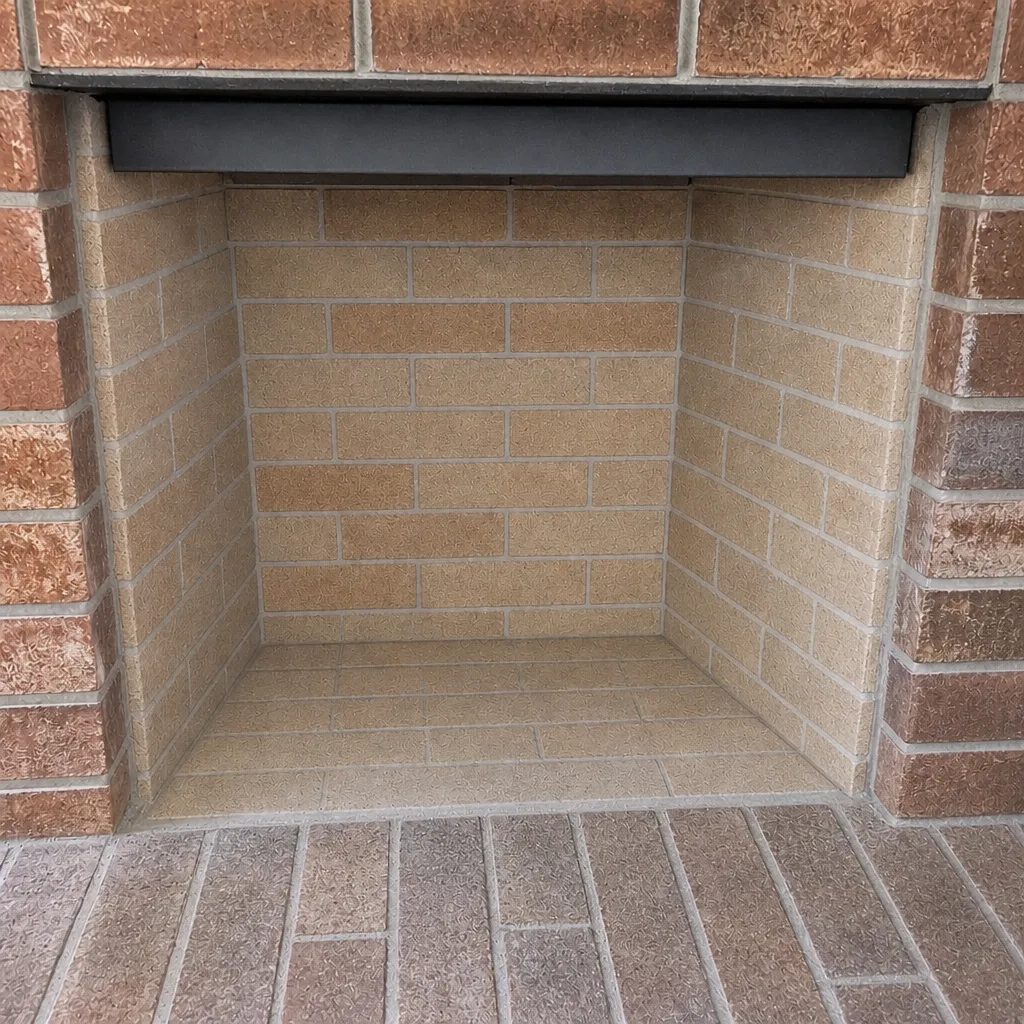
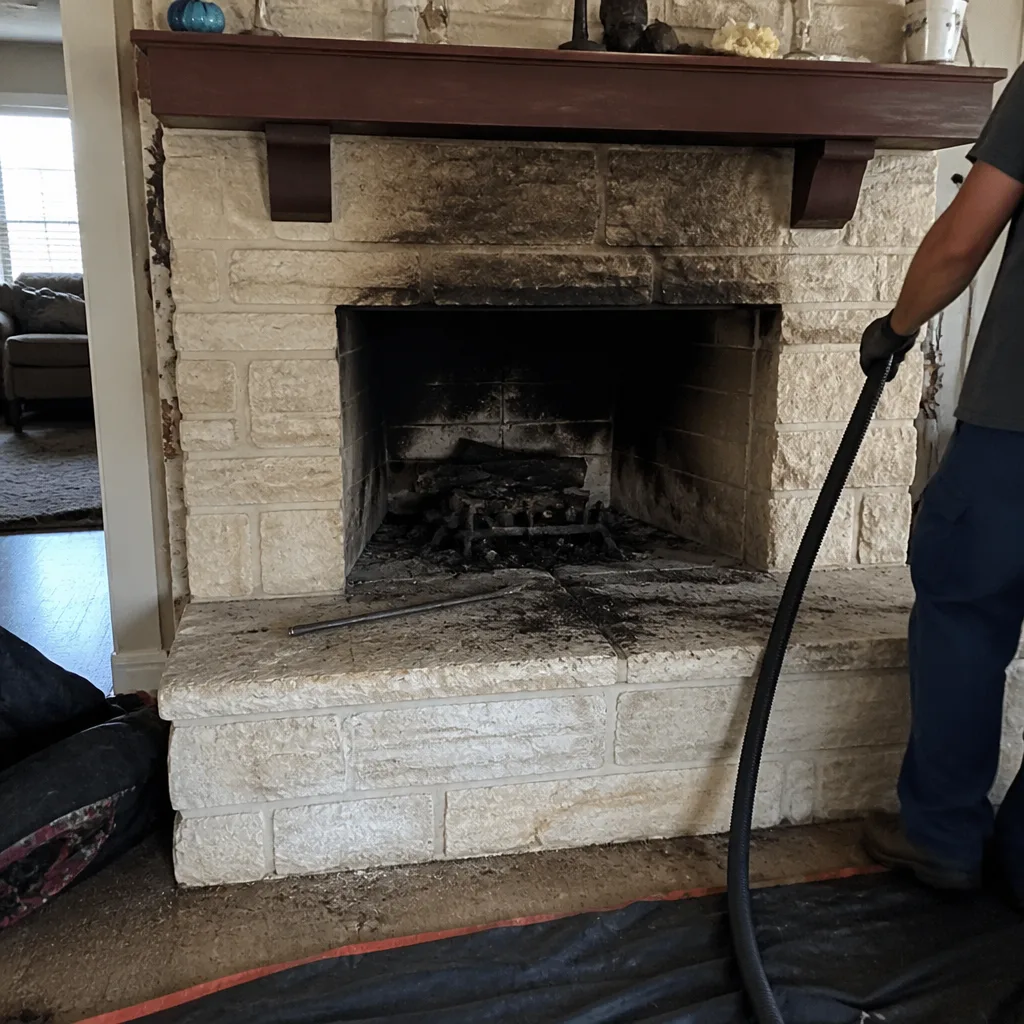
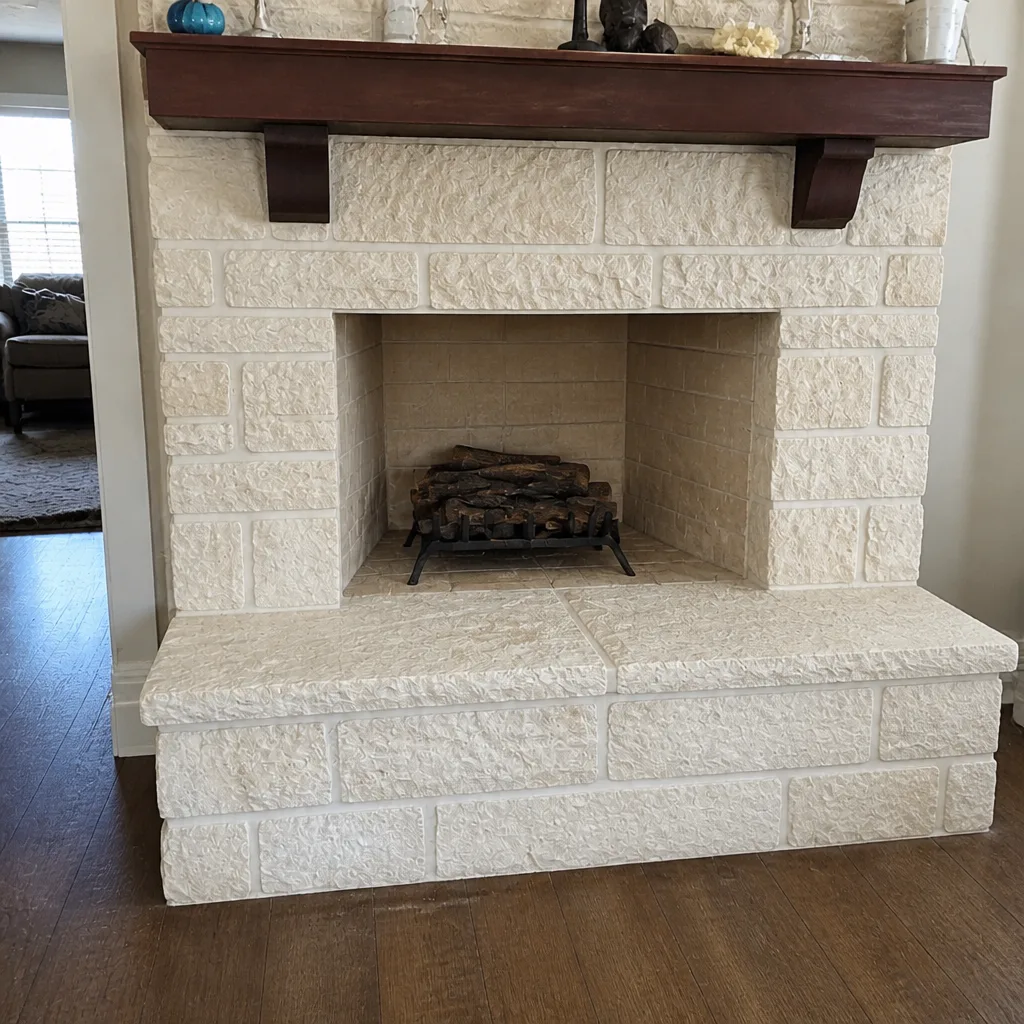
See the difference
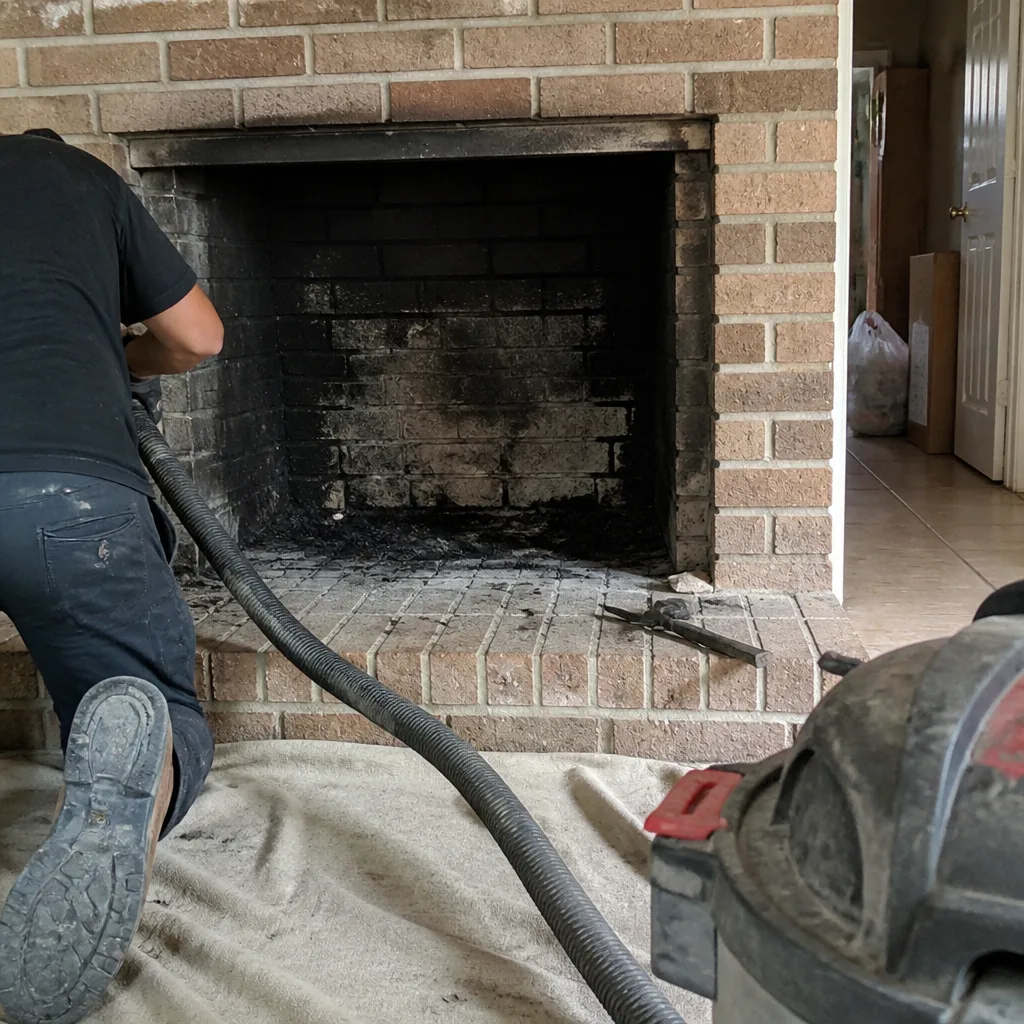 Before
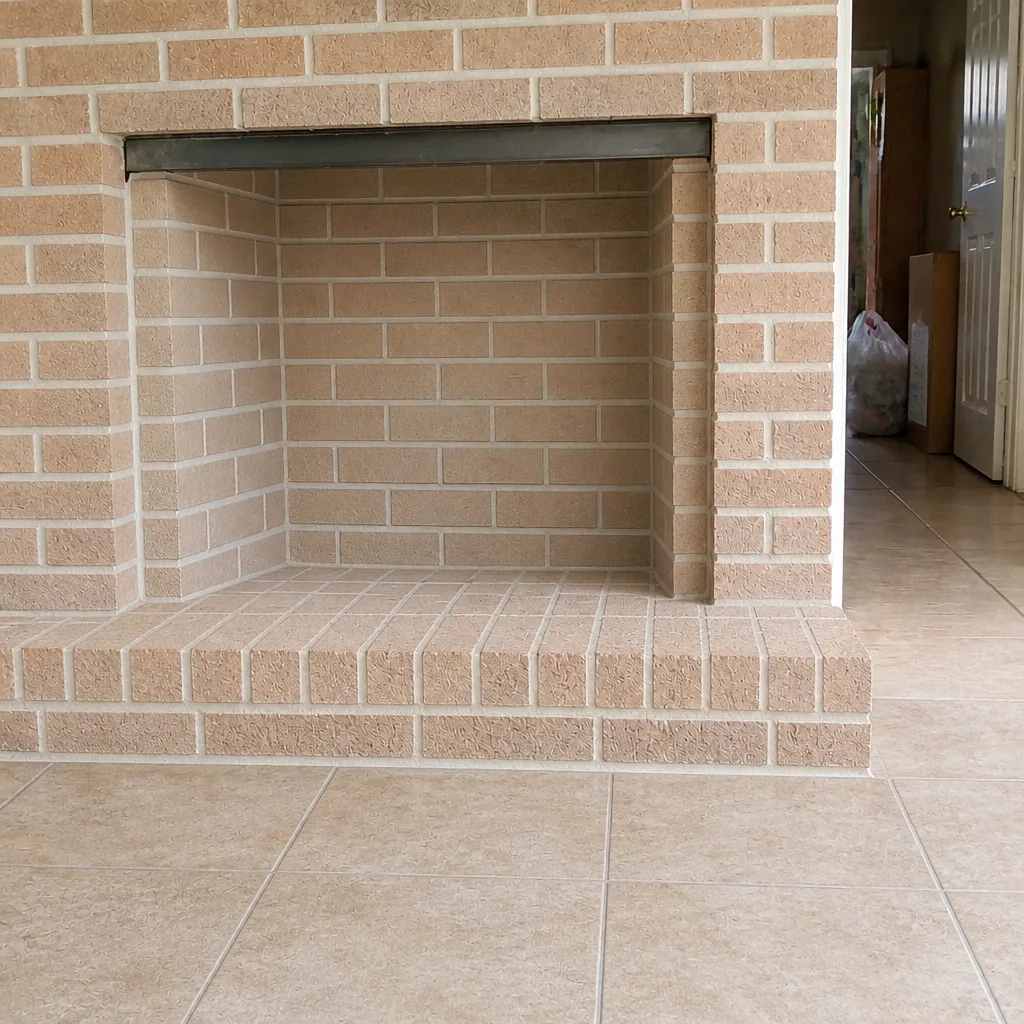 After
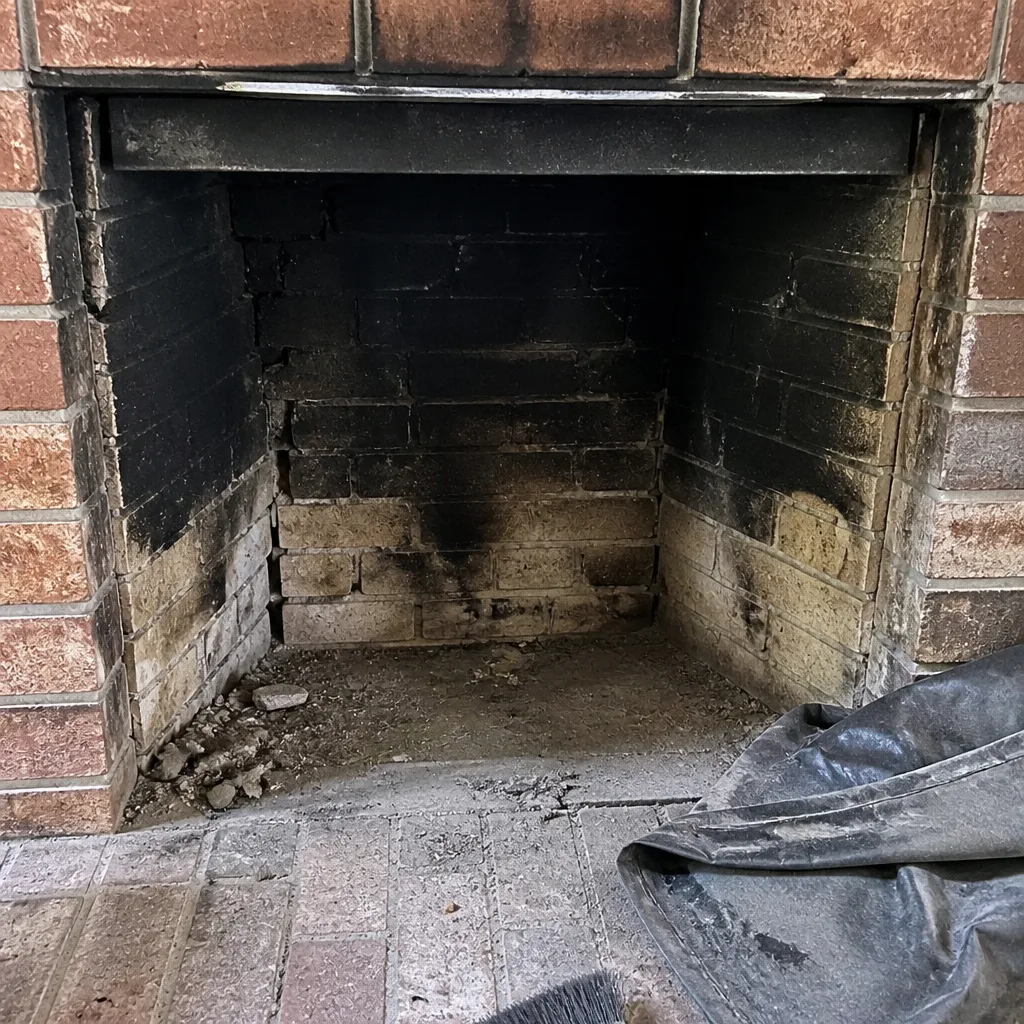 Before
 After
 Before
 After
When to Call a Professional
Some seasonal chimney care is a homeowner’s job: check the damper, look at the crown and flashing after storms, confirm the cap is in place, and run the smoke and carbon monoxide detectors. Everything that involves the interior of the flue or the roof line should go to a trained chimney professional. Call if you see staining or efflorescence on the firebox masonry, if the damper won’t seal or open smoothly, if you smell mustiness or notice animal activity, if the crown has visible damage, or if it’s simply been more than a year since the last sweep. High-tension components, electrical wiring, and gas lines are never homeowner territory – a trained technician handles those without exception. Chimney Sweep Beaumont offers free estimates in Beaumont – call (833) 946-8798. We answer 24/7. Fast dispatch from 7am to 7pm, Sunday through Friday.
Frequently Asked Questions
Chimney sweep pricing in Beaumont is set per job by a written estimate rather than a flat rate, because the work varies with how much creosote is present, whether the flue has glazing, and what shape the cap and crown are in. Call (833) 946-8798 for an exact quote – estimates are free. We answer 24/7, and dispatch runs 7am to 7pm, Sunday through Friday.
Not always – a liner that’s deteriorated but still structurally sound can often be restored with HeatShield liner resurfacing, which is designed specifically to restore deteriorating flue liners without full replacement. Full relining with DuraFlex is the right call when the liner has failed outright or the flue configuration requires it. An inspection tells you which situation you’re in. Call (833) 946-8798 for an exact quote – estimates are free.
At least once a year for a fireplace in regular use, and in Beaumont the annual sweep is best scheduled in spring after the burn season closes. Mild winters with occasional-use fires can build glazed creosote faster than sustained cold-weather burns, so once a year is a floor, not a generous interval. Call (833) 946-8798 for an exact quote – estimates are free.
Skipped chimney care leaves residual creosote and moisture sitting in the flue through the humid Beaumont summer, which lets acidic residue, biological growth, and pest activity establish themselves, and it lets minor crown and cap damage widen from water intrusion. Creosote buildup is also a genuine chimney fire hazard – the risk is real, but the answer is simple maintenance, not alarm. Call (833) 946-8798 for an exact quote – estimates are free.
Spring is the more important Beaumont appointment, because it removes residue before the long humid idle stretch begins and lets a fresh inspection catch anything the burn season left behind. Fall care is a pre-fire check (damper, cap, firebox, alarms) rather than the main event. Call (833) 946-8798 for an exact quote – estimates are free.
Yes – a properly fitted cap is one of the highest-value protections on the entire system in a humid climate, because it keeps summer rain and pest activity out of the flue between burn seasons. A missing or damaged cap lets every storm pour water into the chimney interior, and repeated wetting is what accelerates masonry damage. Call (833) 946-8798 for an exact quote – estimates are free.
The Bottom Line
Chimney care in Beaumont is a spring-anchored routine, not a fall one. Close the burn season with a sweep and an inspection before the humid months set in. Check the damper, cap, crown, and flashing through the summer, and add a reseal in fall if the crown needs it. Run the fall pre-fire checklist before the first fire of the year. Keep burning hot and seasoned, and don’t let a light-use fireplace trick you into skipping the annual sweep, because mild winters build glazed creosote in ways colder climates don’t. Clean, repair, inspect – every part of your chimney system handled by one team, from cap to flue. If you want a straight, professional assessment of your chimney for the coming year in Beaumont, call (833) 946-8798. We answer 24/7. Fast dispatch from 7am to 7pm, Sunday through Friday. Estimates are free.
Written by the team at Chimney Sweep Beaumont.