
Last updated November 15, 2026
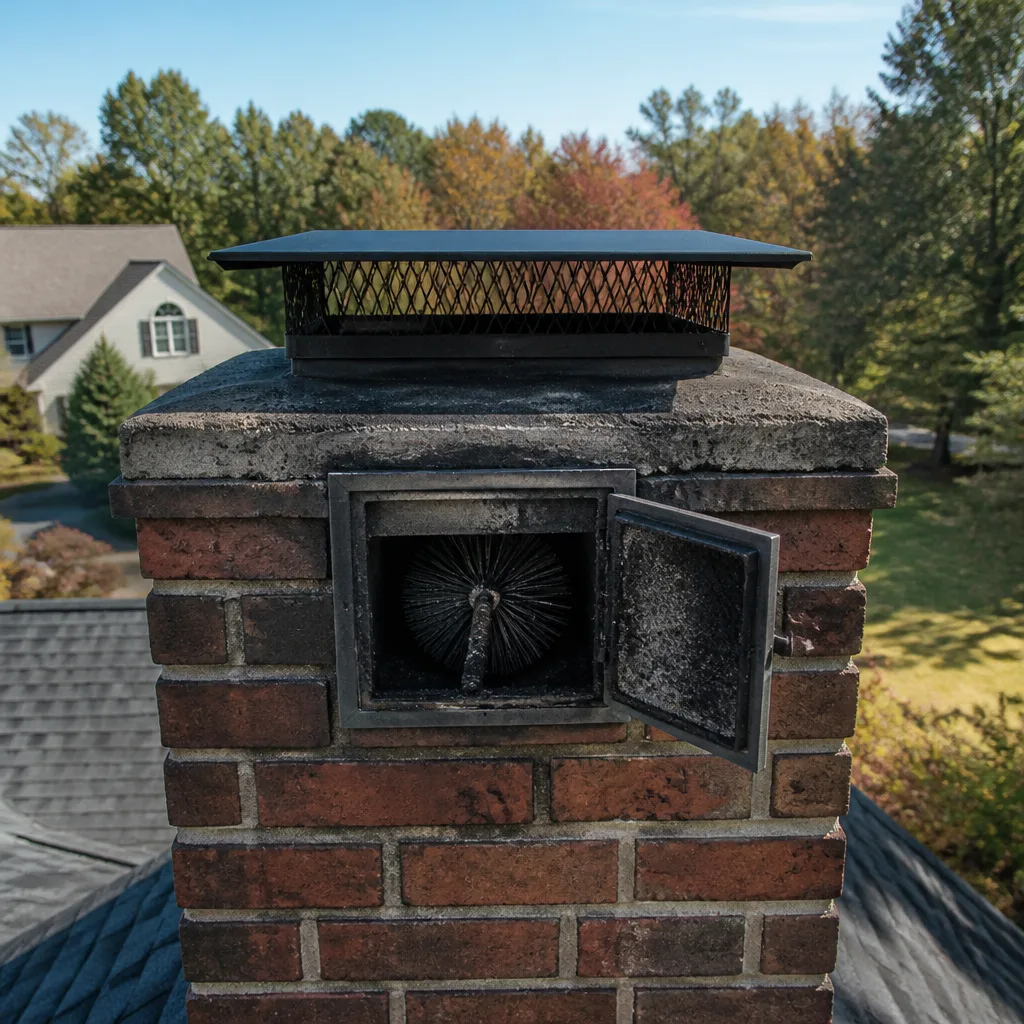 Sweep & inspection
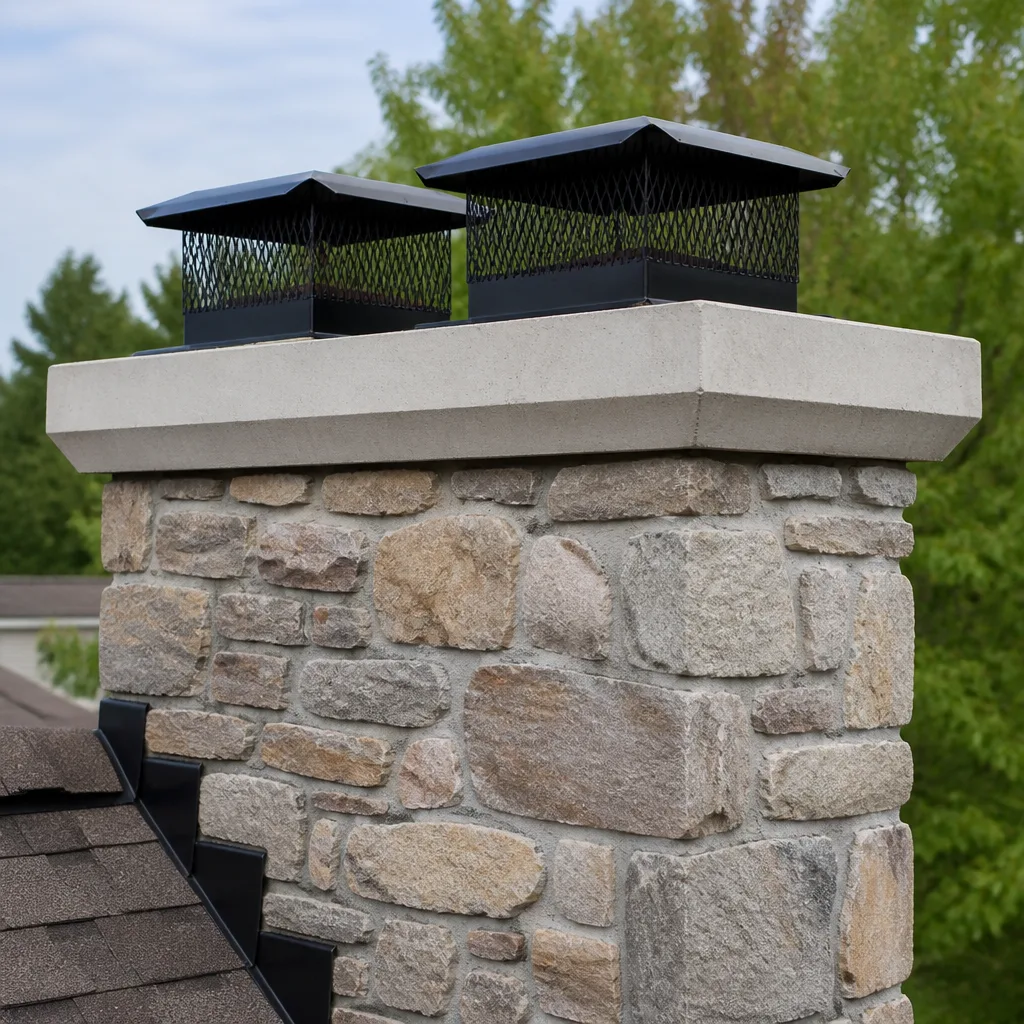 Caps & crowns
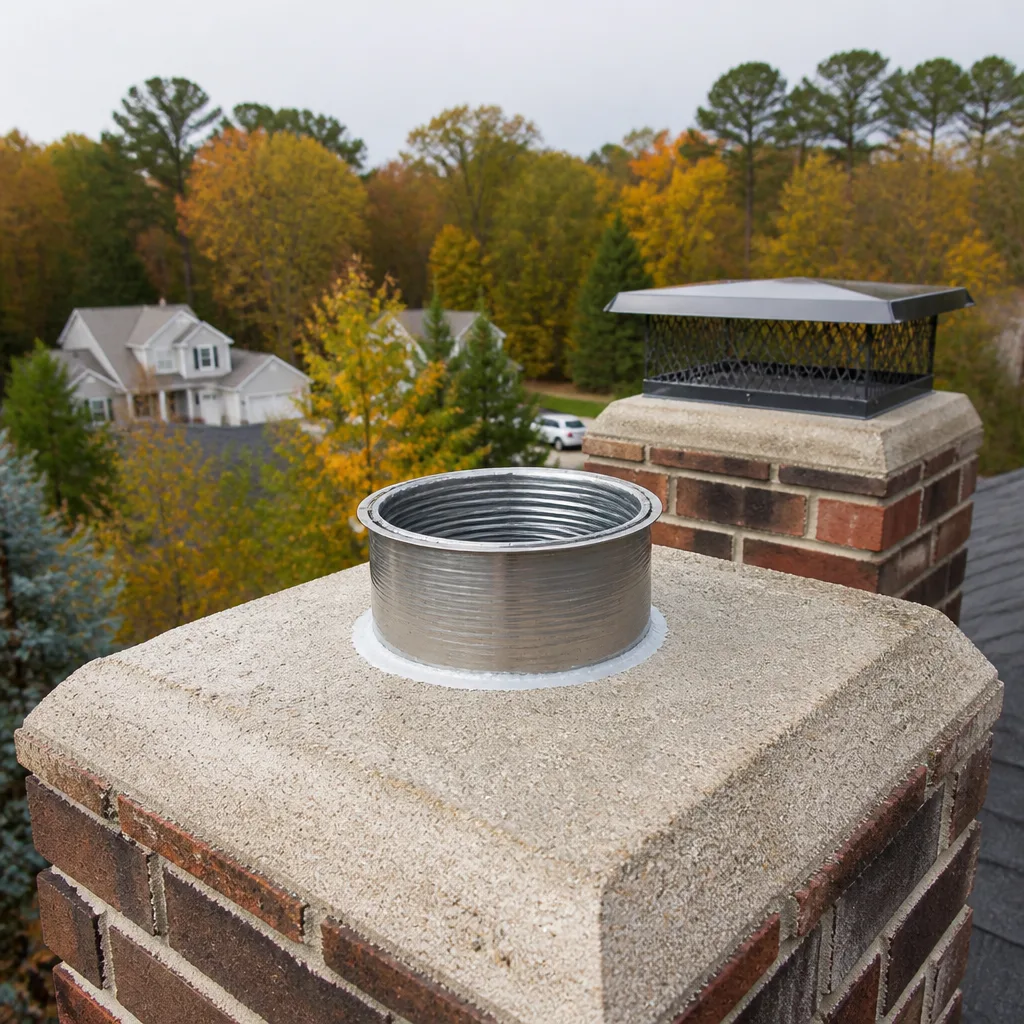 Flue relining
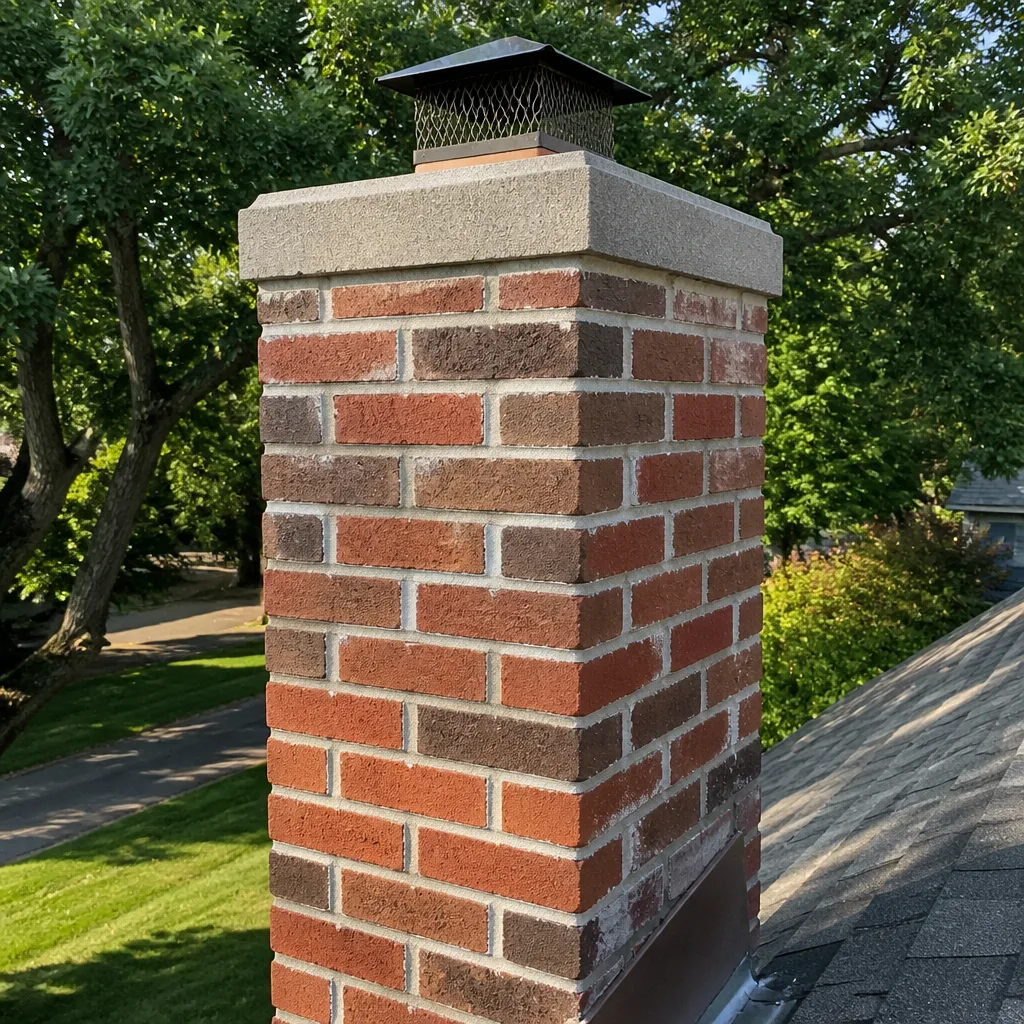 Masonry repair
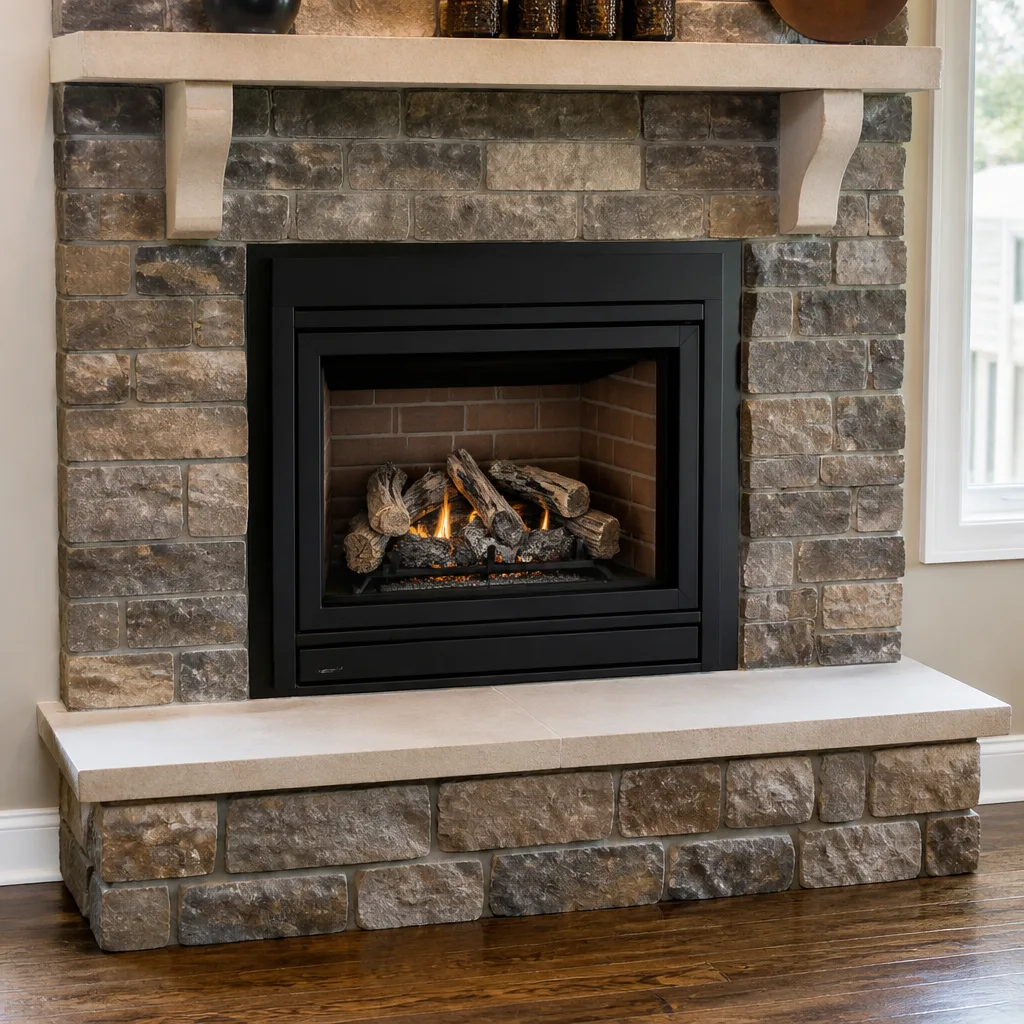 Gas fireplace service
Level 1 sweep and inspection to the NFPA 211 annual standard - flue, crown, cap, and flashing checked and photographed
Chimney sweep logs do not sweep chimneys. They loosen some creosote - which then falls where a brush and vacuum still have to collect it.
The Complete Guide to Chimney Cleaning in Beaumont
Most chimney fires don’t start during heavy use. They ignite after a single cord of wood burned across a humid Southeast Texas winter leaves a glossy creosote deposit that a standard brush can’t remove. That’s the counterintuitive truth about chimney care here: mild weather and damp air create the very conditions that make creosote harden into glazed, flammable layers. A normal brush pass skates over that glaze and leaves it in place. In this guide we’ll walk through what a genuinely thorough cleaning in Beaumont involves, tool by tool and step by step, how our humid climate changes the creosote picture, and how to tell a real cleaning from a quick brush-and-go.
Styles & brands we work with
- Sweep & inspection
- Caps & crowns
- Flue relining
- Masonry repair
- Gas fireplace service
Quick Answer
A professional chimney cleaning in Beaumont involves more than a brush down the flue. It means removing soot and creosote deposits, identifying what stage of creosote has formed, and running at least a Level 1 inspection at the same time so you know the true condition of your system. Because Southeast Texas humidity accelerates glaze formation, a cleaning schedule built for a dry climate often falls short here. The right sweep uses the right tools for the flue condition and leaves you with documentation of what was found.
Table of Contents
- Why Chimney Cleaning in Beaumont Isn’t a Generic Task
- The Three Stages of Creosote and Why Humidity Matters
- The Tools of a Professional Sweep: Rotary Systems vs. Hand Rods
- What a Level 1 Inspection Covers During a Routine Cleaning
- A Step-by-Step Look at How a Thorough Cleaning Works
- How to Tell a Thorough Cleaning from a Surface-Only Brush Pass
- Post-Cleaning Documentation: What a Reputable Contractor Leaves Behind
- Common Mistakes to Avoid
- When to Call a Professional
- Frequently Asked Questions
- The Bottom Line
Why Chimney Cleaning in Beaumont Isn’t a Generic Task
In our experience, the advice that circulates online about chimney cleaning is often written for cold, dry climates where the heating season is long and the air is parched. Beaumont is the opposite. Winters here are mild, the air stays damp through much of the year, and many homeowners burn intermittently rather than continuously. Those three facts change everything about how creosote forms and how it needs to be removed.
When a fire is lit and then left to cool, and the wood isn’t burning hot and clean, the smoke that cools in the flue deposits creosote in layers. In a humid climate, moisture in the air and in the wood can slow complete combustion and leave more unburned material to condense on the flue walls. The result is that Beaumont chimneys often build up sticky, dense creosote faster than the same amount of wood would produce in a drier place. That’s not a scare tactic. It’s a straightforward consequence of how combustion and condensation work in this climate.
Beaumont also sits in a region where a lot of homes have mature systems, some with flue configurations that challenge a simple brush. Offset flues, older masonry, and liners that have seen years of intermittent use all behave differently. A cleaning approach that assumes a straight, uniform flue will miss deposits in the bends and pockets. That’s part of why we think about Chimney Sweep Beaumont as a diagnostic visit as much as a cleaning visit.
The practical takeaway: don’t assume a once-a-year brush is enough simply because that’s the tradition in colder places. Let the actual condition of your flue in Beaumont set the schedule.
The Three Stages of Creosote and Why Humidity Matters
Creosote forms in three recognizable stages, and knowing which one is in your flue determines what kind of cleaning is required. This is the single most useful thing a homeowner can understand before booking a sweep.
- Stage 1 – Sooty and flaky. This is fresh, light creosote that comes off with a standard brush. It’s the easiest to remove and the least hazardous.
- Stage 2 – Sticky and tar-like. As deposits build, they become gummy and cling to the flue walls. A plain brush smears this around rather than removing it. Rotary tooling is usually needed.
- Stage 3 – Glazed and hardened. This is the dangerous stage. The creosote has baked into a shiny, hardened layer that behaves almost like a solid fuel. A standard brush will not touch it. Removing it requires specialized tooling or, in some cases, liner restoration.
Here’s where Beaumont’s climate enters the picture. In a dry climate, creosote tends to build up in distinct deposits with distinct stages. In a humid climate, moisture can contribute to deposits that skip straight toward the sticky and glazed stages more quickly, especially with intermittent burning. Wood that isn’t fully seasoned adds to this. So the risk in Beaumont isn’t simply “more creosote” – it’s creosote that hardens into the stubborn stages sooner than a homeowner expects.
When glaze is present, a sweep that only runs a brush is a false sense of security. Genuinely removing glazed creosote may mean rotary cleaning, and if the liner itself is deteriorating underneath, resurfacing with a product like HeatShield can restore it without full replacement. We mention that here because the tools and the diagnosis are connected. A chimney sweep that doesn’t identify the stage of creosote can’t choose the right tool.
The Tools of a Professional Sweep: Rotary Systems vs. Hand Rods
There’s a real difference between the tools a trained sweep carries and the single brush most people picture. The choice of tool isn’t about preference – it’s dictated by the flue condition and the creosote stage. Here’s how the main options break down.
- Hand rods with a brush head handle light, flaky Stage 1 deposits and straight flues. They’re the baseline tool, and on a clean, uniform flue they do the job well.
- Rotary systems with whip or chain heads use a spinning head to scour and remove Stage 2 and Stage 3 deposits. The rotary motion breaks up glazed creosote that a brush would just glide over. These require skill to avoid damaging the liner, which is why the operator’s judgment matters as much as the tool.
- Specialty rotary heads address offset flues, bends, and irregular masonry where a straight brush can’t reach the far side of the bend.
- Cameras and lights let the technician actually see the flue walls, the smoke chamber, and the damper area rather than guessing from the bottom.
We work with professional-grade materials from brands chimney specialists trust, and the same thinking applies to tooling. The right head for a glazed masonry flue is not the right head for a metal liner showing early wear. Using the wrong one can scratch a liner or leave glaze behind. A sweep who arrives with one brush and no rotary option is limited to the easiest jobs – and if your flue isn’t easy, the limits show.
The decision about tooling also ties into repair. If a rotary cleaning reveals a cracked or deteriorating liner, the fix uses components built for chimney systems specifically, such as a DuraFlex flexible liner engineered for offset and older flue configurations. Clean, repair, inspect – every part of your chimney system handled by one team, because the tooling for one stage informs the next.
What a Level 1 Inspection Covers During a Routine Cleaning
A Level 1 inspection isn’t an upsell bolted onto a cleaning. It’s the standard read of your system’s condition that should accompany a routine sweep. The question is what it actually covers, and why skipping it turns a cleaning into guesswork.
- Readily accessible portions of the chimney – the firebox, the damper, the smoke chamber, the flue, and the visible exterior of the chimney.
- Signs of creosote stage and buildup so the cleaning tooling matches the deposit.
- Liner condition – cracks, gaps, or deterioration that could let heat and gases reach surrounding materials.
- Cap and crown condition – whether the top is weatherproofed and whether obstructions or gaps are present.
- Overall system condition so a homeowner knows what’s sound, what needs watching, and what genuinely can’t wait.
The reason it matters is simple: a cleaning without inspection can remove soot while leaving a compromised liner or a cracked crown unnoticed. You get a tidy-looking result and no information. That’s a bad trade, especially in Beaumont where intermittent burning and humidity make the deposits less predictable.
A chimney inspection that tells you what’s actually there – not what justifies the next upsell – is the standard we hold ourselves to. Our inspection is offered as a standalone as well, so you can get an honest assessment before committing to any repair work. If you’ve ever wondered whether a sweep is inventing problems, the answer is a Level 1 that’s visible to you and documented, not a verbal verdict.
A Step-by-Step Look at How a Thorough Cleaning Works
Knowing the sequence helps you recognize a real job. Here’s the general flow of a thorough cleaning, in the order it happens. A sweep who skips steps or rushes the sealing or the documentation is telling you something about the rest of the work.
- Set up floor and hearth protection and contain the work area. Drop cloths and a sealed working zone keep soot out of your home. If this step is missing, keep watching.
- Inspect the accessible system first. The technician looks at the firebox, damper, smoke chamber, and flue before cleaning, so the tooling is chosen to fit the deposits.
- Seal the opening with a fitted cover and open the flue. This controls airflow and stops dust and soot migrating into the room.
- Clean from the top down, matching tooling to creosote stage. Hand rods for light deposits, rotary systems for sticky and glazed layers, with attention to bends and offsets.
- Clean the firebox, damper, and smoke chamber. These areas trap soot and affect draft. A sweep that only touches the flue has left a lot of the system dirty.
- Remove and bag the debris. Everything comes out contained, not left as a puff of dust when you next light a fire.
- Re-inspect the flue after cleaning and document it. The clean flue shows its true condition – cracks, gaps, or liner wear become visible once deposits are gone. Photos leave you with a record.
In Beaumont, step seven often turns up something worth knowing. A flue that looked fine under a layer of soot can show a liner that needs resurfacing, or a crown that needs sealing to keep moisture out. We use cap and weatherproofing components from brands like Gelco, Copperfield, and Famco because keeping rain and humidity out of the flue slows the very creosote and moisture problems this guide keeps circling back to.
How to Tell a Thorough Cleaning from a Surface-Only Brush Pass
A surface-only brush pass looks like a cleaning on the invoice but leaves the hard part behind. This is where a lot of homeowners get quietly shortchanged, especially if glazed creosote has already formed. The difference shows up in a few specific ways.
- Tooling. A thorough sweep brings rotary systems and multiple heads and chooses based on the creosote stage. A surface job brings one brush and runs it up and down.
- Scope. A real cleaning includes the firebox, damper, and smoke chamber, not just the flue. Ask what a sweep cleaned and see if those get mentioned.
- Glazed creosote. Watch for whether Stage 3 glaze is removed or simply smoothed over. A shiny, baked layer left on the liner walls is the main sign of a brush-only pass.
- Inspection. A thorough job includes a Level 1 and a look at the flue after cleaning. A quick job skips straight to the invoice.
- Containment. Proper sealing and floor protection mean you don’t find soot in the room an hour after the sweep leaves.
- Documentation. Photos and notes of the flue condition are the fingerprint of a job done properly. No photos usually means no detailed inspection.
The practical rule for Beaumont homeowners: ask before you book what tooling the sweep uses and whether a Level 1 inspection and after-cleaning photos are included. The answer tells you a lot. From cap to flue, we work with components built for chimney systems specifically, and we use the right product for the job, not whatever’s cheapest. A surface pass might satisfy a schedule, but it doesn’t make the flue safer.
Post-Cleaning Documentation: What a Reputable Contractor Leaves Behind
The documentation a sweep leaves behind is the difference between “someone cleaned it” and “here’s what’s actually in your chimney.” Given how easy it is to be told you need expensive liner or masonry work, a written record is your best defense against guesswork – and your best reason to trust a recommendation.
- A written summary of what was cleaned, what stage of creosote was found, and the condition of the liner, crown, cap, and damper.
- Before-and-after photos of the flue taken after cleaning, so you can see the liner walls for yourself rather than taking a verbal claim at face value.
- Clear categories. A good report separates what’s fine, what should be watched, and what genuinely needs attention soon – as opposed to a single line demanding an immediate repair.
- Honest notes on what can wait. Not everything found during an inspection needs doing now. A reputable report says so.
We think the photos are the point. If a technician recommends liner work, the images should show the reason. If you can’t see the evidence, you can’t judge it. That’s why nothing we recommend goes forward without camera evidence you can look at yourself, and why we’ll tell you plainly when work can safely wait. Knowing when to hold off is as useful as knowing when to act – and it’s part of how a chimney repair conversation should begin.
Keep that documentation with your home records. Over time, it becomes a history of your system’s condition, which is genuinely useful when you’re deciding on a cleaning schedule or weighing a repair.
Common Mistakes to Avoid
- Assuming a once-a-year brush is always enough. In Beaumont’s humid, intermittently-burned climate, creosote can reach sticky or glazed stages faster than the calendar suggests. Let the actual inspection set the schedule.
- Burning unseasoned wood to save a little money. Wet wood burns cool and leaves more unburned material to condense in the flue. Drying your wood properly pays off more than any shortcut.
- Skipping the inspection to keep the visit short. A cleaning without a Level 1 can leave a cracked liner or compromised crown undiscovered. The tidy result hides the real risk.
- Taking a single-brush sweep at face value. A brush can’t remove glazed creosote. If nobody checked the stage before choosing tools, the hard deposits may still be there.
- Ignoring the cap and crown. A loose or missing cap lets rain and humidity straight into the flue. Waterproofing with a properly fitted cap slows the moisture problems this climate creates.
- Trusting a verbal repair verdict with no photos. If you’re told you need liner or masonry work, ask to see the evidence. Documentation is the reasonable expectation, not a special favor.
- Waiting until the flue is packed with creosote to book the first sweep. Regular cleaning keeps deposits from reaching the glazed stage, which is when removal gets harder and costlier.
When to Call a Professional
Some jobs are clearly a professional’s job. If you’ve burned through a full season and can see a hard, glossy layer on the flue, don’t reach for a homeowner brush – call for a cleaning and inspection. If smoke backs into the room when you light a fire, or you smell a strong creosote odor even when the fireplace is cold, those are signs the flue needs a professional look. Cracked or missing mortar, a damaged crown, a cap that’s come loose, or a liner you suspect is worn all point the same way.
Chimney work also carries real risks. Creosote is highly flammable, and a chimney fire is dangerous in a way that warrants caution, not a homeowner experiment. Working at roof height adds its own hazard. A trained technician has the tooling, the containment, and the safety experience to do the job properly. Our technicians have up to experience, and we bring the right tools for the flue rather than a generic brush.
Chimney Sweep Beaumont offers free estimates in Beaumont – call (833) 946-8798. We answer 24/7, with fast dispatch from 7am to 7pm, Sunday through Friday.
Frequently Asked Questions
Many Beaumont chimneys benefit from a cleaning and inspection at least once a year, especially with regular fireplace use, but the right interval depends on how much and how you burn. Because the humid climate can push creosote toward the sticky and glazed stages faster than a dry-climate schedule assumes, let the inspection findings set the timing rather than the calendar alone. Call (833) 946-8798 for an assessment – estimates are free.
A cleaning removes soot and creosote; a Level 1 inspection reads the condition of the accessible system. A thorough professional visit does both, examining the firebox, damper, smoke chamber, flue, liner, and cap alongside the cleaning. Skipping the inspection means you get a cleaner flue but no information about its true condition. Call (833) 946-8798 to book a cleaning and inspection together.
No. A standard brush removes light, flaky Stage 1 creosote but won’t touch glazed Stage 3 deposits, which need rotary tooling or, in some cases, liner restoration. If a sweep arrives with only a brush, glazed layers can be left behind. Ask what tooling will be used before you book – call (833) 946-8798.
Sometimes the existing liner can be resurfaced rather than replaced. Products like HeatShield are designed specifically to restore a deteriorating flue liner without full replacement, and a DuraFlex flexible liner is used when relining is the right call. Which applies to your flue depends on what the inspection shows. We won’t recommend either without camera evidence you can see. Call (833) 946-8798 to find out.
A written summary of the work, the creosote stage found, and the condition of the liner, crown, cap, and damper – along with before-and-after photos of the flue. That documentation lets you see the actual condition for yourself instead of relying on a verbal verdict. If a repair is suggested, the photos should show why. Call (833) 946-8798 and we’ll walk you through the report.
Humidity and intermittent burning can help creosote condense and harden into the sticky and glazed stages faster than in dry climates, and moisture that gets into the flue compounds the problem. That makes proper cleaning, waterproofing with a fitted cap, and honest inspection more important here than a generic schedule implies. For service across Beaumont, call (833) 946-8798.
The Bottom Line
Chimney cleaning in Beaumont isn’t a cookie-cutter annual chore. The region’s humidity and the way many homeowners burn wood intermittently mean creosote can reach sticky and glazed stages faster than dry-climate advice suggests. A thorough cleaning matches the tooling to the creosote stage, cleans the whole system rather than just the flue, and pairs the work with a Level 1 inspection and documentation you can see for yourself. That’s the difference between a safer system and a tidy-looking one. When you’re ready, we’re here to help.
Chimney Sweep Beaumont brings cleaning, repair, and inspection together, using professional-grade materials from brands like DuraFlex, HeatShield, Olympia Chimney, and Copperfield. Call (833) 946-8798 for a free estimate. We answer 24/7, with fast dispatch from 7am to 7pm, Sunday through Friday.
Written by the team at Chimney Sweep Beaumont.
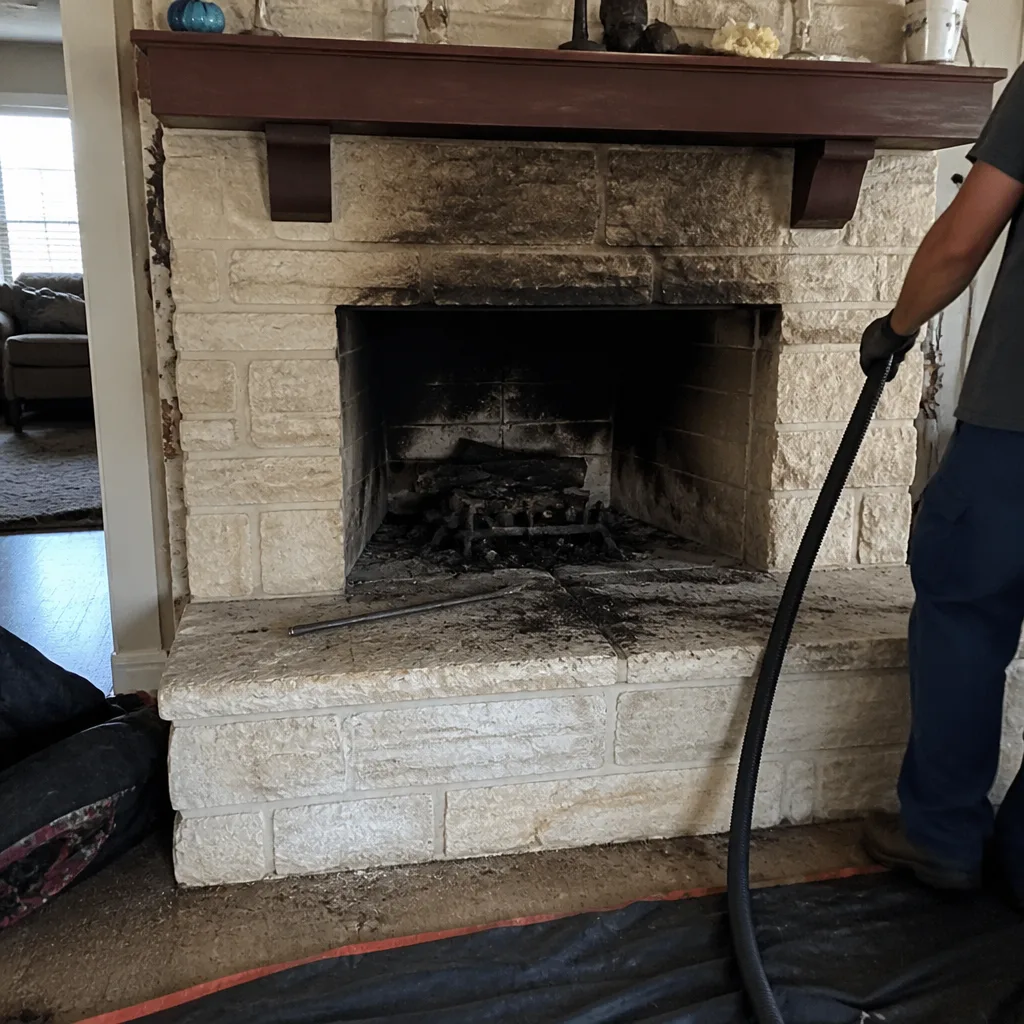
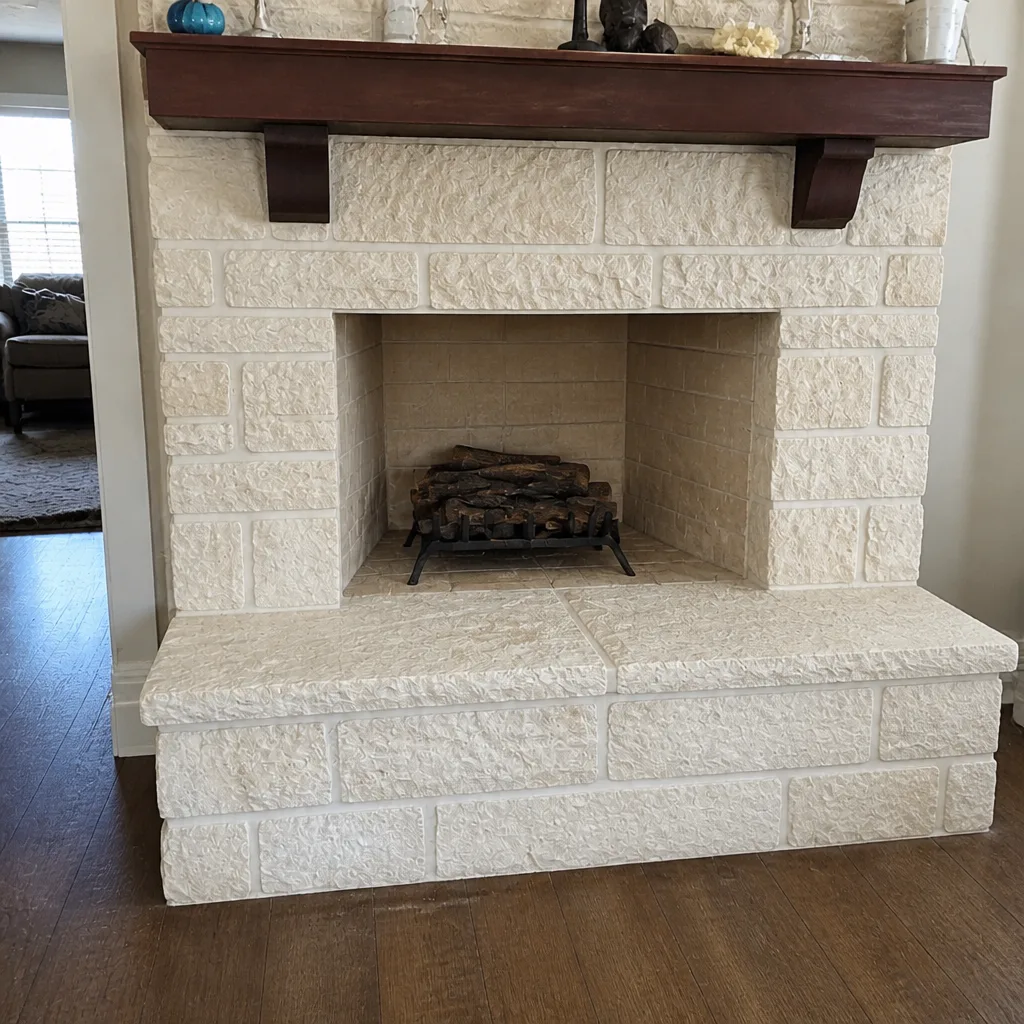
See the difference
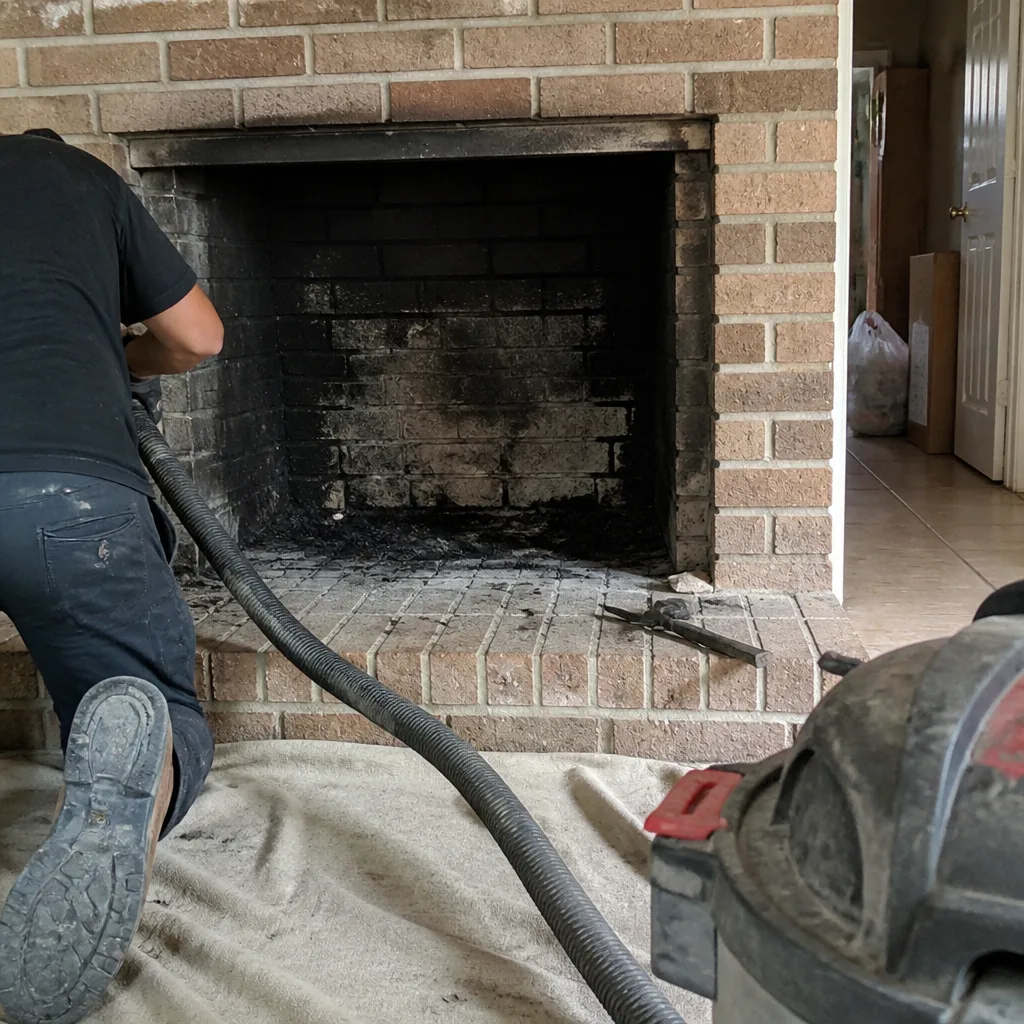 Before
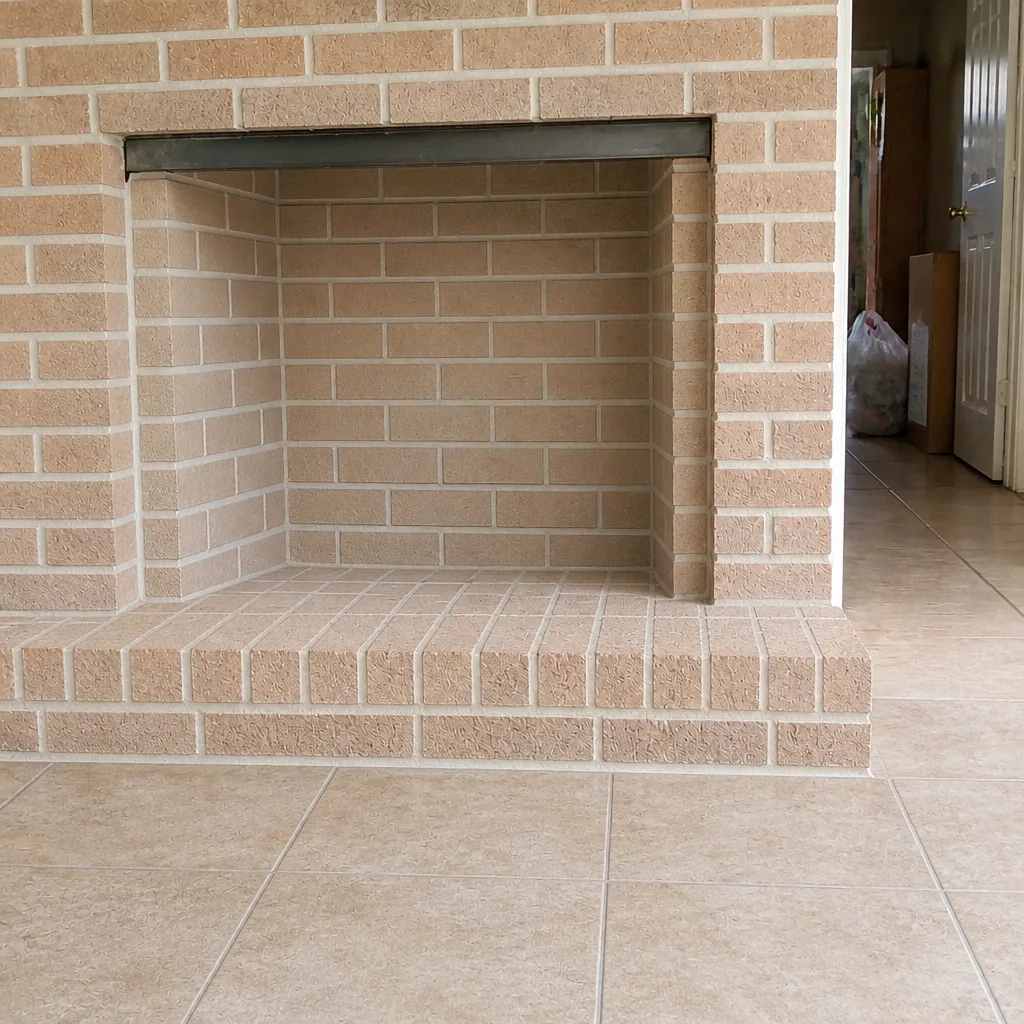 After
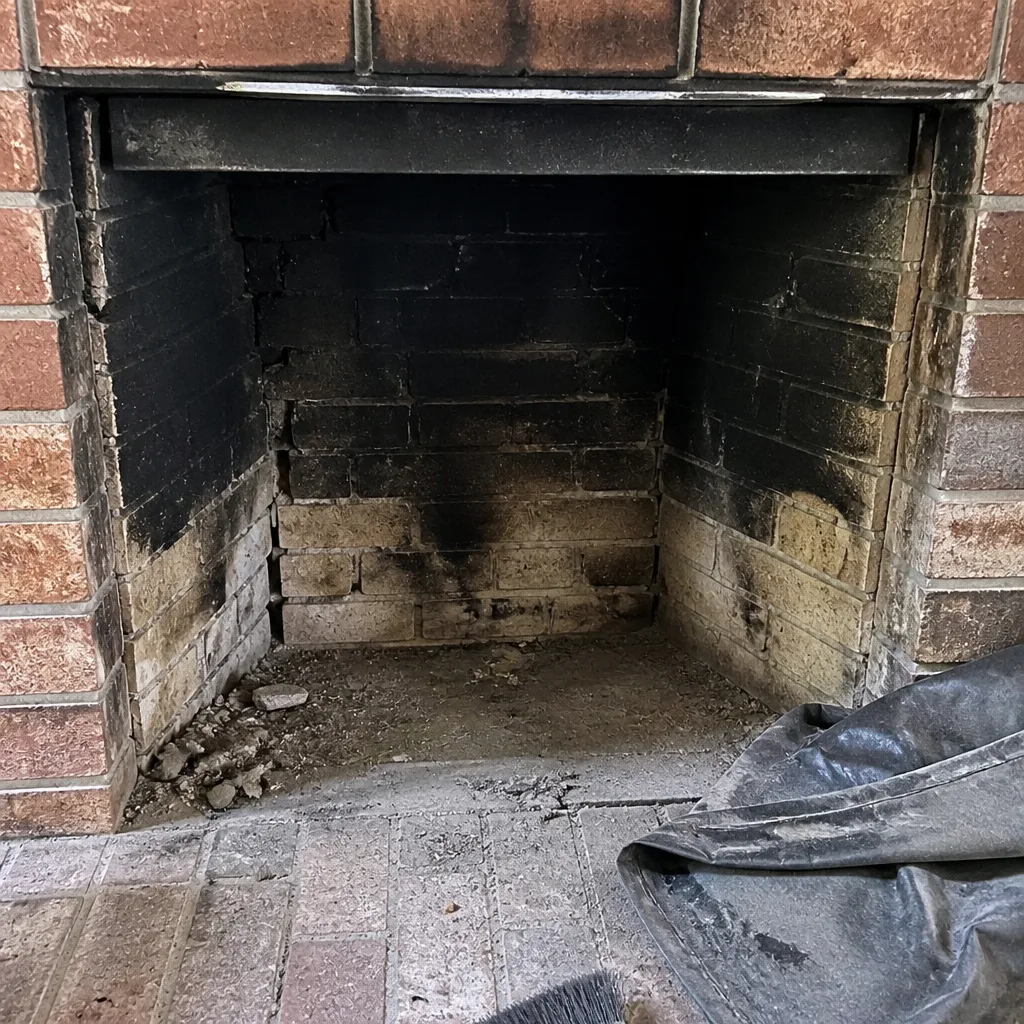 Before
 After
 Before
 After