
Last updated November 15, 2026
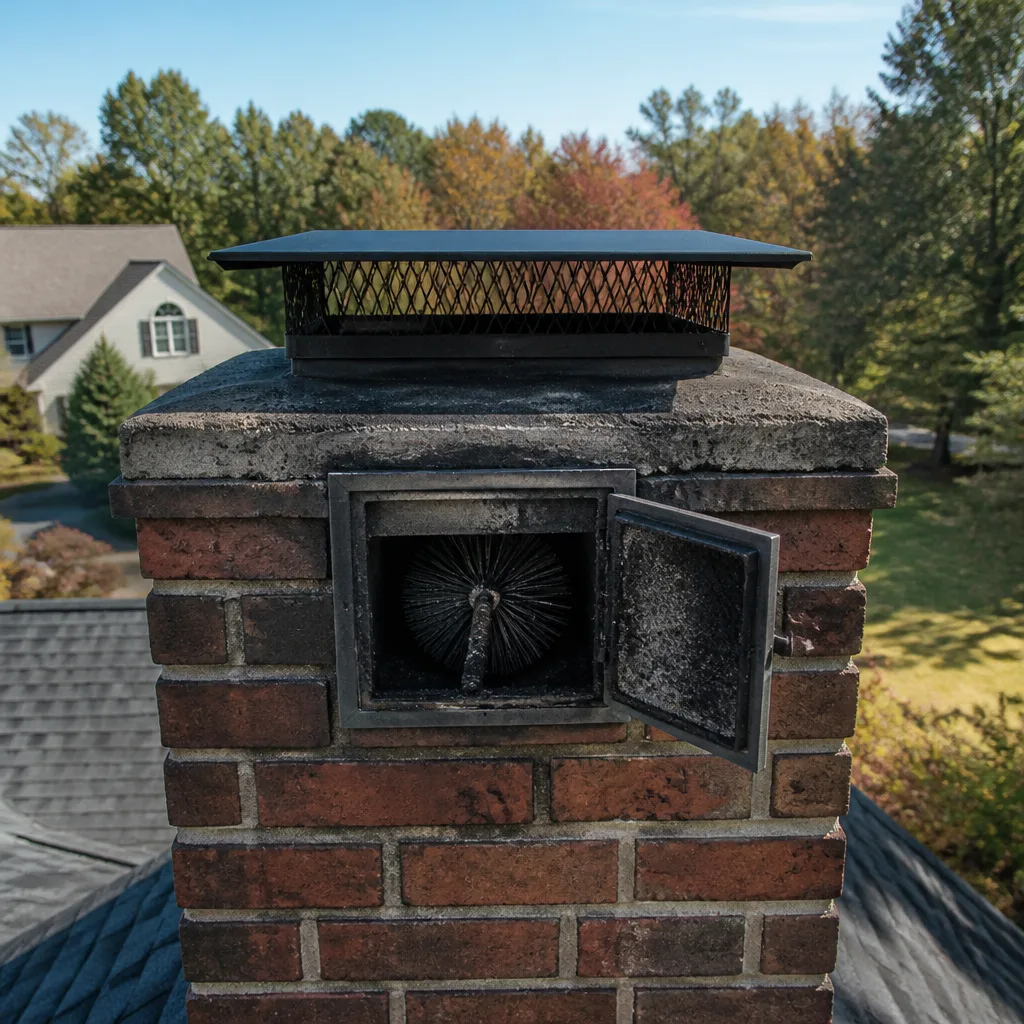 Sweep & inspection
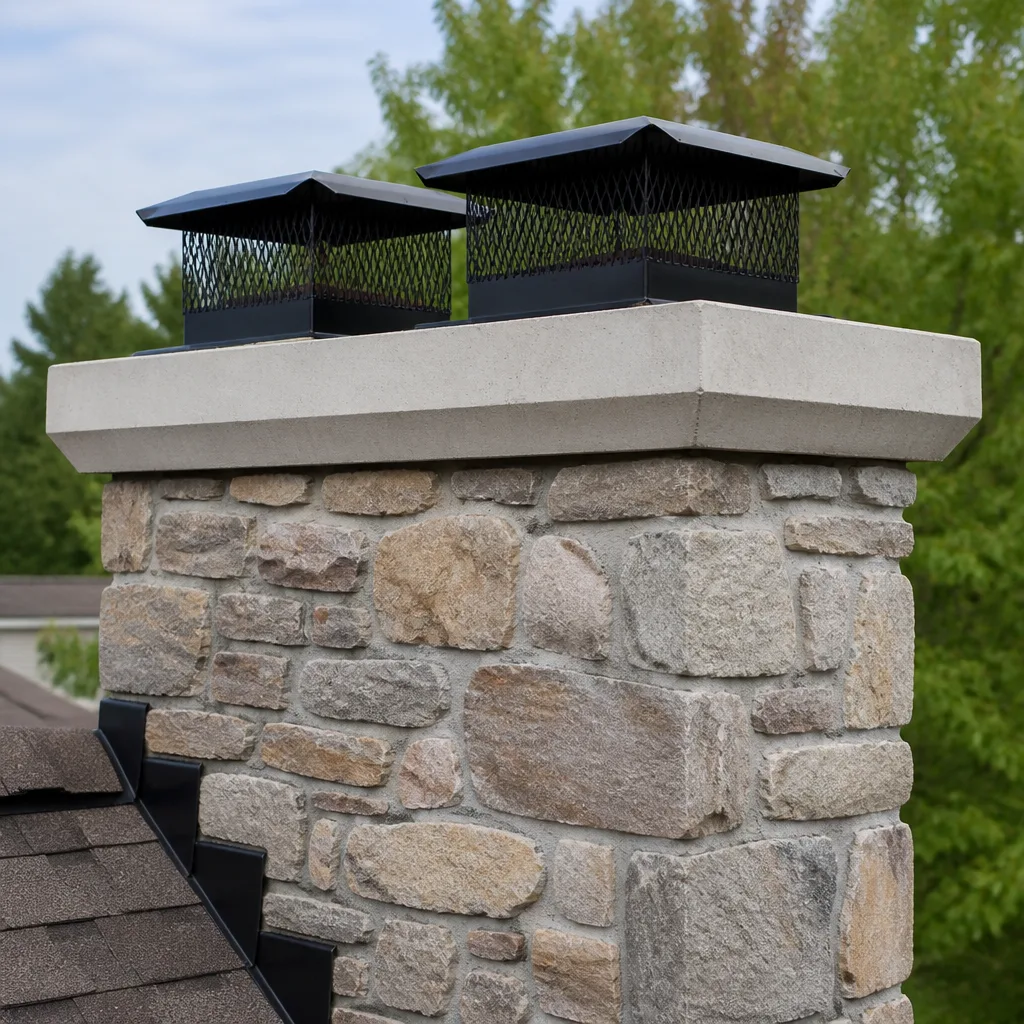 Caps & crowns
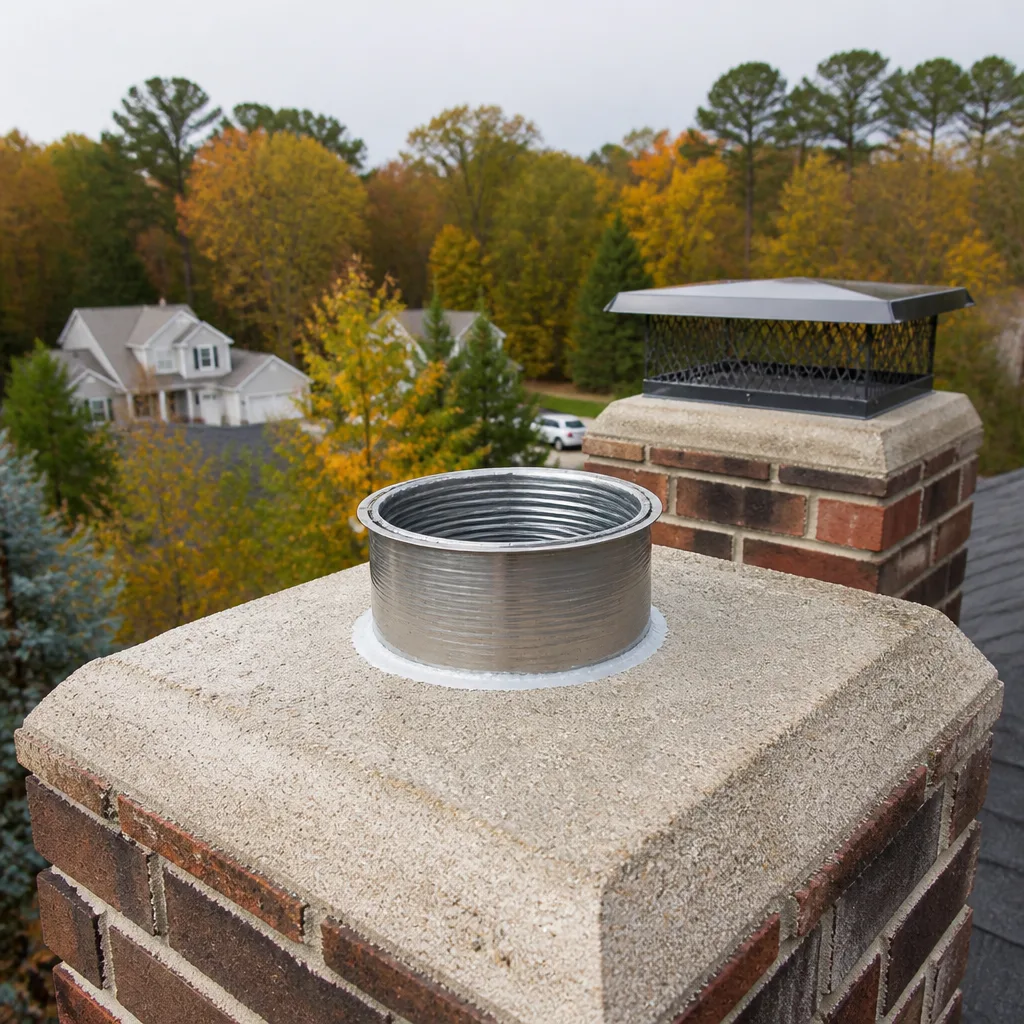 Flue relining
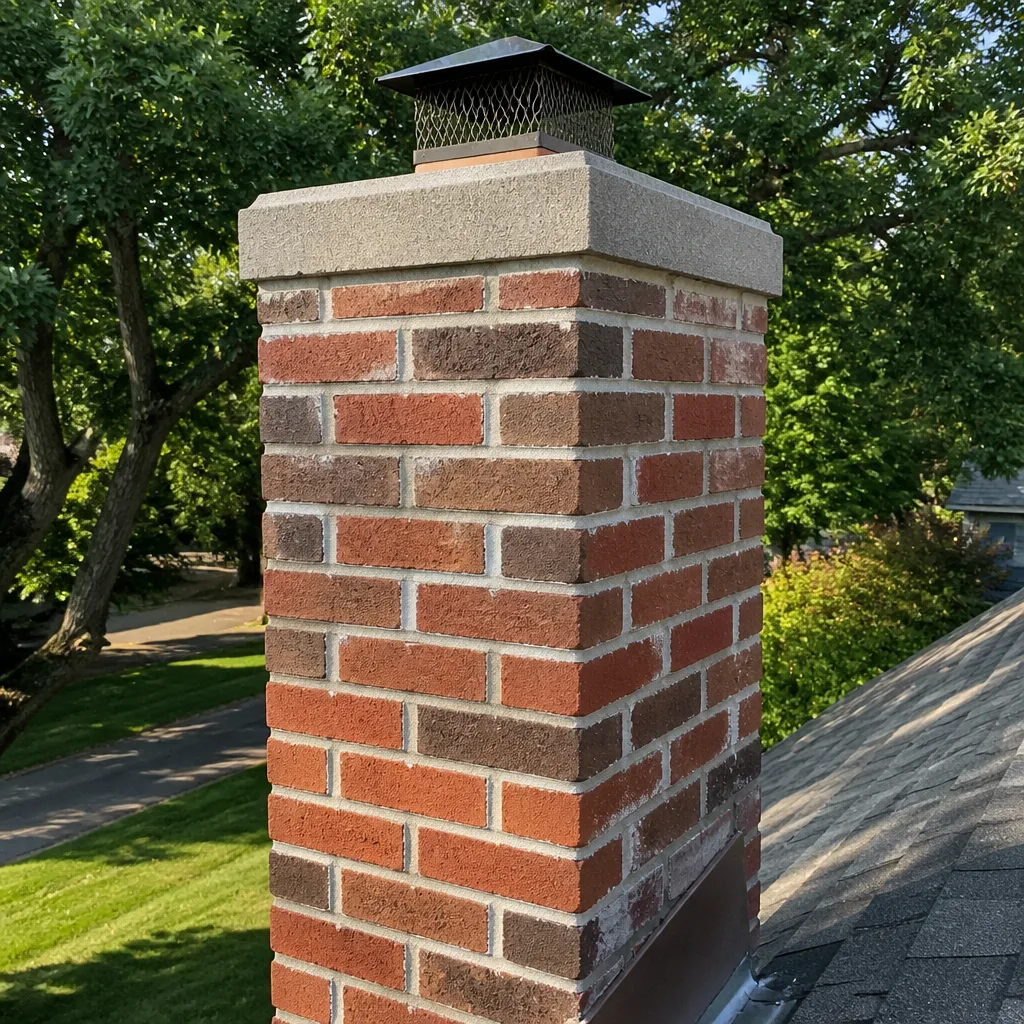 Masonry repair
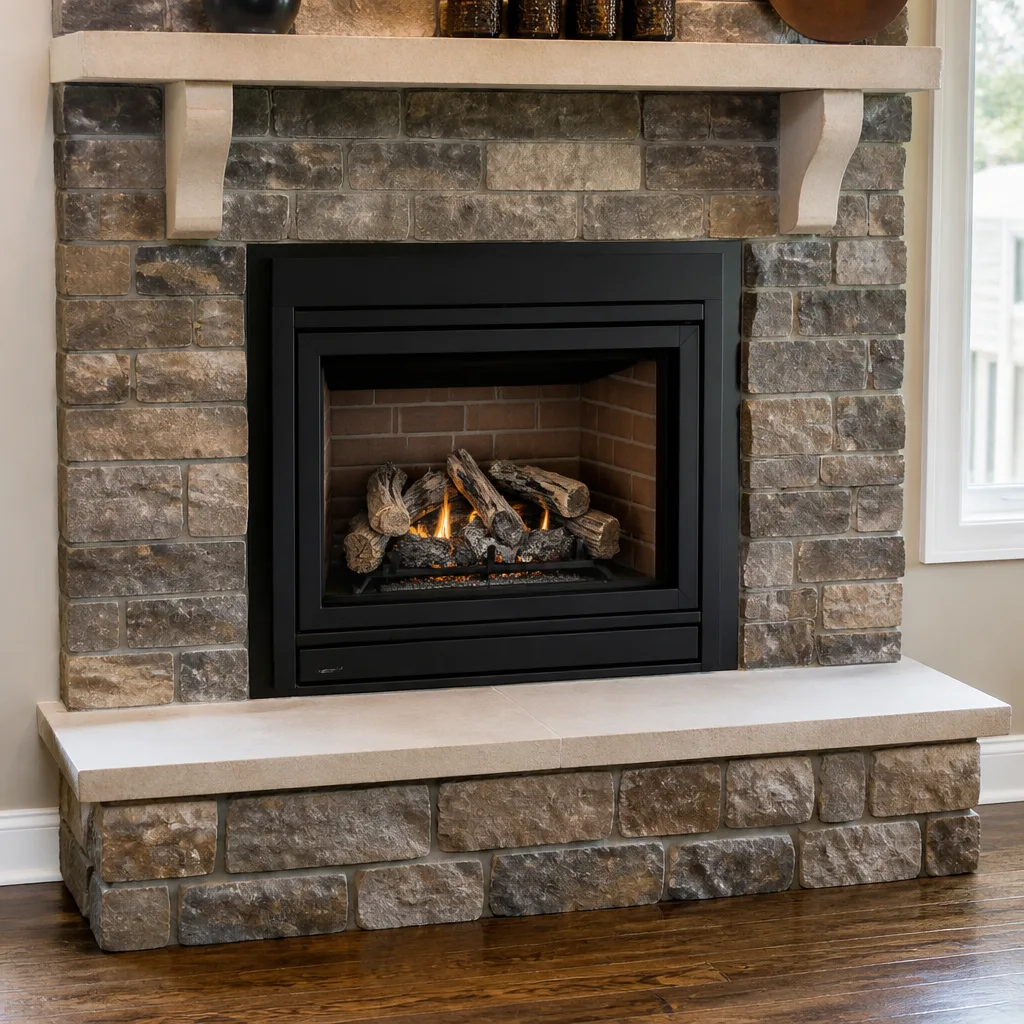 Gas fireplace service
Level 1 sweep and inspection to the NFPA 211 annual standard - flue, crown, cap, and flashing checked and photographed
Chimney sweep logs do not sweep chimneys. They loosen some creosote - which then falls where a brush and vacuum still have to collect it.
Chimney Cleaning Permits, Codes & Inspections in Beaumont, TX: What You Need to Know
A chimney cleaning doesn’t need a permit. A new liner installed by the same crew the next week does, and if that permit was never pulled, your homeowner’s insurance may deny a fire claim because the work was never inspected. That gap between routine maintenance and regulated construction is where most Beaumont homeowners get into trouble, usually without knowing it. This guide draws the line precisely: what Texas code treats as maintenance, what Beaumont requires a permit for, how NFPA 211 governs your system, when a Level 2 inspection is legally triggered, and how to verify any repair that was done before you bought the house.
Quick Answer
Routine chimney sweeping in Beaumont, TX does not require a permit. Once the work crosses into repair, replacement or structural change, such as a liner replacement, a firebox rebuild, or a new chimney cap installed above spec, a City of Beaumont permit is required and the work must be inspected before it’s closed out. NFPA 211 is the baseline standard Texas applies to chimney systems, and a Level 2 inspection is triggered by a home sale, a change to the system, or a chimney fire.
Styles & brands we work with
- Sweep & inspection
- Caps & crowns
- Flue relining
- Masonry repair
- Gas fireplace service
Table of Contents
- The line between maintenance and regulated construction
- When a Beaumont permit is required
- NFPA 211: the baseline standard in Texas
- Inspection levels and when they’re triggered
- How to verify your chimney work was permitted
- How Beaumont’s climate and housing stock shape chimney needs
- What proper repair materials look like
- Common mistakes to avoid
The Line Between Maintenance and Regulated Construction
Texas building code separates chimney work into two categories: maintenance and construction. A cleaning falls on the maintenance side. A repair that changes a component of the system falls on the construction side. The distinction sounds like paperwork, but it’s the difference between work that’s legally done and work that can become an insurance problem down the line.
Maintenance is anything that keeps the existing system functioning without altering it. Sweeping creosote from a flue, removing a bird’s nest, checking a cap for fit, brushing down the firebox walls: all maintenance, no permit. Construction is anything that removes, replaces or adds a component. A new stainless liner. A rebuilt firebox. A cap swap that changes the top plate configuration or penetration. Those touch the structure of the venting system, and that’s what a permit exists to oversee.
In our experience across Beaumont, the confusion usually comes from bundling. A homeowner books a chimney sweep and the technician recommends a liner replacement during the same visit. The sweep gets done that day, and the liner replacement gets scheduled for the following week. Two different jobs, two different sets of rules. If the contractor doesn’t pull the permit for the second job, the homeowner may not find out until a home inspection years later.
Here’s the practical way to think about it:
- Maintenance (no permit): sweeping, cleaning, visual checks, cap inspection, minor hardware tightening
- Construction (permit required): liner replacement or relining, firebox rebuild, damper replacement, crown rebuild, flue tile replacement, cap installation that changes the top plate
If you’re not sure which bucket a specific job falls into, ask the contractor to name it before any work starts. A chimney specialist who knows the code shouldn’t hesitate to answer.
When a Beaumont Permit Is Required
A Beaumont permit is required when chimney work changes the structure of the venting system. Liner replacement, firebox rebuilds, and cap installations that alter the top plate or chase top each fall on that side of the line. The permit exists so the work can be inspected by the city before it’s closed out, which matters most when that structure carries combustion gases out of your home.
The three highest-frequency permit triggers in Beaumont homes:
- Liner replacement or relining. Installing a new stainless liner or a cast-in-place liner changes the interior of the flue. This is a structural change to the venting system and requires a permit. Relining is the most common repair that Beaumont homeowners face, especially in older housing stock with original clay tile.
- Firebox rebuilds. Rebuilding firebrick or replacing deteriorated firebox panels changes a critical heat barrier. A permit is required because the rebuild has to be inspected for proper refractory materials and clearances.
- New chimney cap installations above certain specifications. A simple slip-on cap replacement is maintenance. A cap that changes the chase top, penetration or structural mounting is not. If the cap work involves removing and replacing the top plate, that’s a permit item.
Other permit-worthy work includes crown reconstruction, damper replacement when it involves cutting into the firebox, and any change to the flue tile system. When you’re comparing bids, ask each contractor whether their estimate includes the permit and inspection. Some low bids quietly leave the permit out, which shifts the risk onto you.
For recurring issues like nesting, soot buildup and cap damage across Southeast Texas, our team handles the diagnostic side first. If the job is chimney repair rather than a cleaning, we tell you up front whether a permit is involved. That’s the difference between a specialist and a generalist who shows up with a brush and a guess.
NFPA 211: The Baseline Standard in Texas
NFPA 211 is the national standard for chimneys, fireplaces, vents and solid fuel-burning appliances, and it’s the baseline Texas applies to chimney systems. In practical terms, NFPA 211 defines what a safe chimney looks like, how often it should be inspected, and what a qualified inspection should cover. It’s the document a city inspector, an insurance adjuster and a competent chimney technician all work from.
The most useful thing NFPA 211 gives homeowners is the inspection interval. Chimneys, fireplaces and vents are to be inspected at least annually, and cleaned as needed. That’s the standard for every wood-burning system, regardless of how much you use it. Even a fireplace that sees a handful of fires per season can accumulate creosote in the flue, and that same flue is the vent for anything else sharing the chase.
NFPA 211 also defines three levels of inspection, which the next section covers in detail. When the standard says “Level 2,” it’s not a marketing term; it’s a specific scope of examination, and the level required depends on the circumstance. A standard annual sweep corresponds to what’s called a Level 1 inspection with cleaning. That’s the routine service for a system that’s in use and hasn’t changed.
Where homeowners get confused is treating “annual inspection” as a box to be checked off. The standard isn’t asking whether someone looked at your chimney; it’s asking whether the chimney was examined against a defined scope, with findings reported. A sweep-and-gooseneck peek from the firebox isn’t the same as an inspection that documents flue condition. Ask any contractor what they’re inspecting to.
Inspection Levels and When They’re Triggered
A Level 2 inspection is a more thorough examination than the annual Level 1 check, and it’s legally triggered by three events: a home sale, a change to the chimney system, and a chimney fire. The purpose is to look at the system’s condition in detail, including areas not visible during a routine inspection, using a camera when needed. A Level 2 inspection is what protects you during a real estate transaction, and it’s the inspection an insurer will ask for if there’s ever a claim.
The three levels and what each covers:
- Level 1 inspection. The scope of a routine annual service visit. Covers readily accessible portions of the chimney and flue with the standard set of tools, and includes cleaning if needed. Performed when the system is in continued use with no changes.
- Level 2 inspection. A more detailed examination, including accessible portions of the attic, crawlspace and other areas, plus video scanning of the flue when the interior isn’t visually accessible. Required when a property is sold, when the system changes (new appliance, fuel type, liner, or other component), or after a chimney fire or other event that could damage the system.
- Level 3 inspection. Used when a Level 1 or Level 2 inspection identifies a hidden hazard that can only be examined by opening up construction. Rare, but important when it’s needed.
The home sale trigger is the one Beaumont homeowners run into most often. When a house changes hands, a Level 2 inspection is the standard, and the report is what a buyer’s lender and insurer will look at. In our experience, this is also where pre-existing problems surface: unpermitted liner work, cracked flue tile that was never repaired, and caps that were installed backwards or without the right top plate.
When you call for an inspection, ask which level you’re getting. The answer tells you whether you’re getting a general checkup or a documented examination. If the contractor can’t name the level, they’re probably not following NFPA 211.
How to Verify Your Chimney Work Was Permitted
You can verify whether chimney work on your Beaumont home was permitted by contacting the City of Beaumont’s building department and requesting the permit history for your address. If a permit was pulled for liner work, firebox replacement or cap installation, there should be a record of it, including whether the inspection was closed out. If there’s no record and the work was done, that’s an unpermitted repair, and it’s worth documenting before you need to sell or file a claim.
Here’s the sequence we recommend, especially for anyone who purchased a Beaumont home in the last decade:
- Request the permit history for your address. The City of Beaumont building department is the source. Ask specifically about permits tied to chimney, fireplace or venting work.
- Confirm which permits were closed out. A permit that was pulled but never had a final inspection is nearly as bad as no permit. Insist on the closed-out record.
- Match the permit to the work. If a permit exists for liner replacement, the liner in your chimney should match the permit scope. Ask a chimney specialist to confirm.
- Document what you find. Keep copies of any permits and inspection reports with your home records. They become part of your resale package.
- Get a current Level 2 inspection if the history is unclear. If the paperwork is missing or the work doesn’t match, a Level 2 inspection gives you a documented condition report you can rely on.
This isn’t about being suspicious of the previous owner. It’s about protecting your interest in a system that will be the first thing an inspector and an insurance adjuster look at if there’s ever a fire. Most homeowners never check; the ones who do have a much cleaner hand when something goes wrong.
How Beaumont’s Climate and Housing Stock Shape Chimney Needs
Beaumont’s warm, humid climate and older neighborhoods shape chimney needs in specific ways. Winters here are mild, so fireplaces get used in shorter bursts than in colder parts of the country, which means creosote accumulation is often slower but also less noticed. The housing stock carries a lot of homes with original clay tile flues, some of it nearing the end of its service life. And the humidity matters: chimneys that sit idle in warm months draw moisture, which accelerates deterioration of mortar, tile joints and firebox brick.
In neighborhoods like the Oaks Historic District, the Old Town area and the West End, we routinely encounter original flue tile that’s cracked or spalling. The cracks don’t always announce themselves; they show up during a Level 2 inspection, or they show up as a repair bill. Houses nearer the Neches in older parts of Beaumont sometimes show more crown deterioration and cap wear because of how moisture sits on the chase top and shifts with the seasons. That’s maintenance territory, but it’s also a reason to look at the whole system, not just the flue.
The practical takeaway for Beaumont homeowners:
- Sweep annually even if the fireplace sees light use. Creosote accumulates by volume of wood burned, not by whether you remember to burn it.
- Check the cap and crown at the same time. Beaumont’s humidity punishes caps that don’t vent properly and crowns that don’t shed water.
- Take cracked flue tile seriously. A cracked flue tile is a passageway for heat, and heat is what starts chimney fires.
- Schedule the annual check before you start burning for the season, not after. It’s easier on everyone.
What Proper Repair Materials Look Like
Proper chimney repair uses materials engineered for chimney systems, not general construction stock. Relining jobs call for flexible stainless liner systems like DuraFlex, which are designed for older or offset flue configurations that a rigid liner can’t navigate. Deteriorating flue liners can often be resurfaced rather than fully replaced, and HeatShield is the product designed for exactly that restoration: a cast-in-place liner system applied to the interior of the flue. Cap and weatherproofing products from Gelco and Famco are used where the chase top needs sealing against weather, not just a decorative cover.
This matters for the permit conversation because the materials are part of what gets inspected. A permit for liner replacement describes what’s going in; if the work was done with a generic product that isn’t rated for the flue, the inspection won’t pass and the homeowner ends up with a system that looks repaired but isn’t compliant. When we quote a relining or restoration job in Beaumont, the estimate names the system. That’s how you can compare bids honestly instead of guessing why one is much cheaper.
Our technicians have up to experience working with these systems, and the difference between a properly engineered liner and a generic one is visible on the first inspection. A liner that’s right for the job is documented, verifiable, and consistent with the permit. A liner that isn’t may never see an inspection at all. If you’re weighing liner restoration against full relining, our Chimney Sweep Beaumont team can walk through which makes sense for your flue.
Common Mistakes to Avoid
- Assuming the sweep includes the repair. Cleaning and repair are separate jobs with separate permit rules. If the technician recommends liner work, ask whether the estimate includes the permit and the closed-out inspection.
- Skipping the permit to keep a bid low. The cheapest bid is often the one that leaves the permit out. Ask every contractor directly whether they pull the permit and who pays for it.
- Accepting a “Level 1” for a home sale. A Level 2 inspection is the standard when a home changes hands. A Level 1 report may not be accepted by the buyer’s lender or insurer.
- Not checking permit history after buying a Beaumont home. Work done in the last decade may not have been permitted. Verify it now rather than discovering it during your own sale.
- Treating a used cap as a repair. A generic cap that doesn’t fit the chase top lets water in and can leave the flue venting improperly. Use products designed for the chase configuration.
- Waiting for a chimney fire to schedule an inspection. After any chimney fire, a Level 2 inspection isn’t optional. The damage is often inside the flue where you can’t see it.
- Dismissing one cracked flue tile as cosmetic. Cracks in the flue are how heat reaches combustible framing. They’re a structural concern, not a cosmetic one.
See the difference
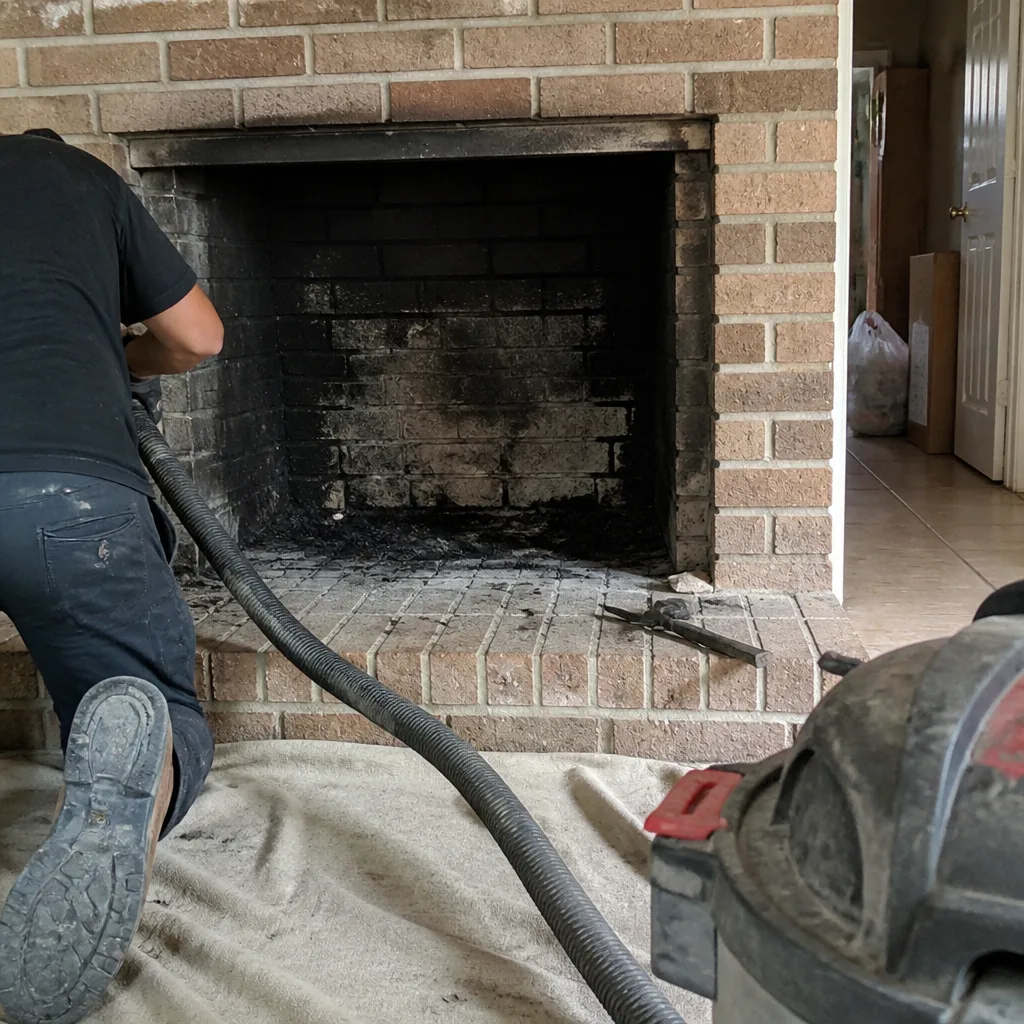 Before
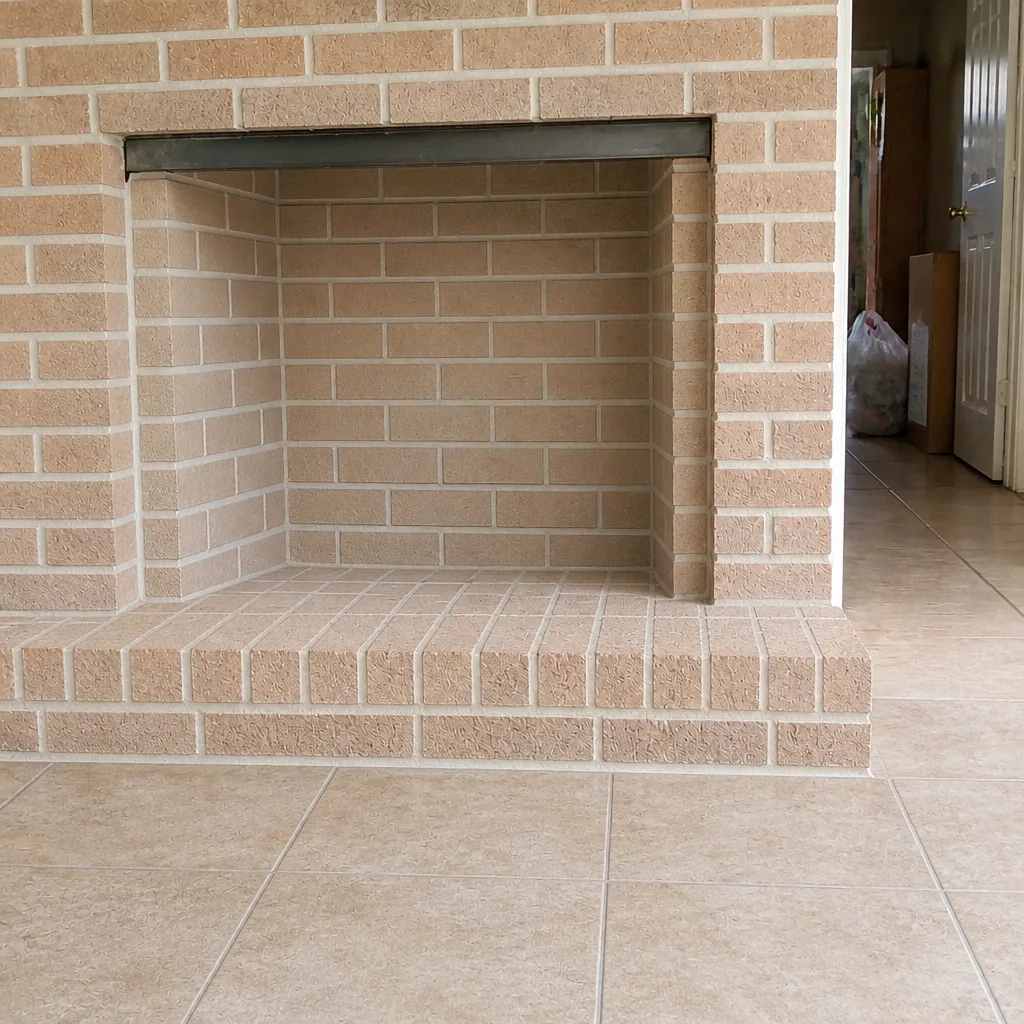 After
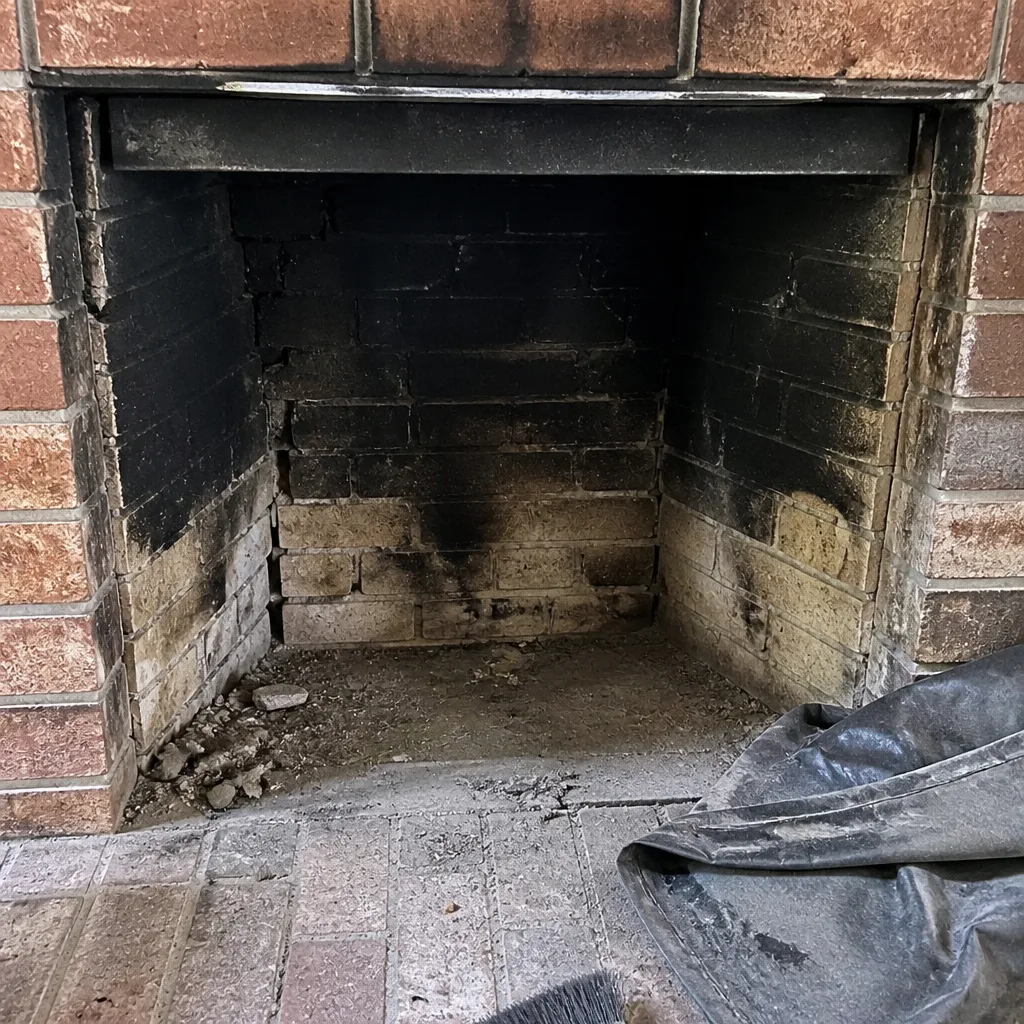 Before
 After
 Before
 After
When to Call a Professional
Call a chimney professional when you’re buying or selling a Beaumont home and need a Level 2 inspection, when any repair work is recommended and you don’t have the permit history, when a chimney fire has occurred, and when the fireplace or flue shows signs of cracking, spalling or moisture damage. Call before the burning season, when the check can be done on your schedule rather than after an issue appears. Also call when a contractor’s bid seems confusing about the permit, because it usually is.
Chimney Sweep Beaumont offers free estimates in Beaumont. Call (833) 946-8798. We answer 24/7. Fast dispatch from 7am to 7pm, Sunday through Friday. Every estimate is written, and nothing is recommended without camera evidence you can see for yourself.
Frequently Asked Questions
No. Routine chimney sweeping in Beaumont does not require a permit because it’s classified as maintenance, not construction. A permit is required when the work changes the venting system: liner replacement, firebox rebuild, or a cap installation that alters the top plate. Call (833) 946-8798 for an exact answer on your specific job. Estimates are free.
Yes. A new liner or relining is a structural change to the venting system, and the City of Beaumont requires a permit and a closed-out inspection for the work. If a contractor quotes a liner replacement without mentioning the permit, ask directly. Call (833) 946-8798 for a written estimate that includes the permit scope.
A Level 2 inspection is triggered by a home sale, a change to the chimney system (such as a new liner or new appliance), or a chimney fire. It’s required under NFPA 211, and it’s the inspection a buyer’s lender or insurer will ask for. If none of those triggers apply and the system hasn’t changed, an annual Level 1 inspection with cleaning is the standard. Call (833) 946-8798 to book a Level 2 and we’ll confirm scope before we arrive. Estimates are free.
Creosote continues to accumulate in the flue, and small problems like a cracked flue tile or a deteriorated crown go unnoticed until they become bigger repair bills or safety issues. Skipping the inspection doesn’t cause a chimney fire on its own, but it removes the chance to catch the conditions that lead to one before the burning season. Call (833) 946-8798 to catch up on yours. Estimates are free.
Request the permit history for your address from the City of Beaumont building department and confirm that any chimney-related permits were both pulled and closed out with a final inspection. If the history is missing or doesn’t match the work you see, a Level 2 inspection gives you a documented condition report. Call (833) 946-8798 if the paperwork is unclear and we’ll walk you through it. Estimates are free.
Chimney cleaning in Beaumont is priced per job by a written estimate rather than a flat rate, because the scope depends on the flue configuration, creosote load and access. A routine sweep and a Level 2 inspection with camera are not the same price, and it’s worth seeing the written scope before the work begins. Call (833) 946-8798 for an exact quote. Estimates are free.
The Bottom Line
Routine chimney cleaning in Beaumont is maintenance and needs no permit. Repair work, including liner replacement, firebox rebuilds and cap installations that change the top plate, is regulated construction that requires a permit and a closed-out inspection. NFPA 211 sets the standard Texas applies, and the annual Level 1 inspection with cleaning is the baseline for every system. A Level 2 inspection is triggered by a home sale, a system change, or a chimney fire, and it’s the inspection that protects you when insurance or a resale is on the line. Verify permit history on any Beaumont home you own or buy. Proper repair products like DuraFlex and HeatShield exist because the work is inspected; generic substitutes exist because it sometimes isn’t. Call (833) 946-8798 when you’re ready to know what’s actually in your flue.
Written by the team at Chimney Sweep Beaumont.